Defining Composite Walls for Outdoor Building Applications
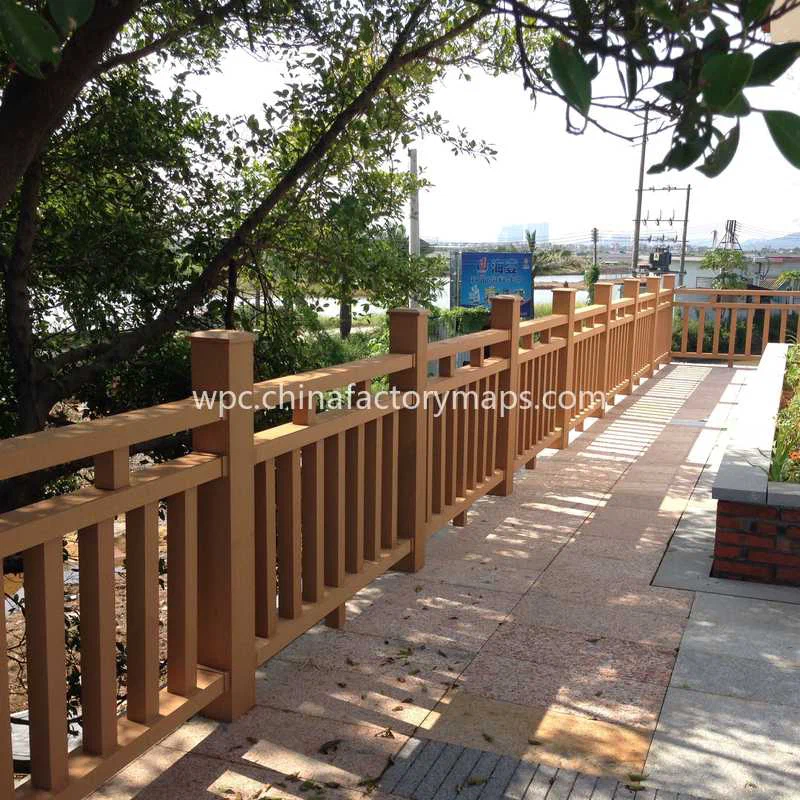
Composite walls are exterior wall systems made from composite materials, often combining wood fibres or powder with plastic polymers to form panels or profiles used for outdoor surfaces. This page explains how these wall systems are built, where they are used, and what buyers should check when sourcing from WPC factories.
For outdoor building applications, composite wall panels are mainly used as facade cladding, decorative exterior surfaces, and weather-exposed architectural elements. They provide a wood-like appearance while offering better resistance to moisture and insects than natural timber. They are not indestructible, and their performance depends on material formulation, installation quality, and exposure conditions.

WPC wall systems typically contain a mix of plant-based material and plastic resin. The manufacturing process can create hollow or solid profiles, textured finishes, and different surface patterns for exterior design needs. Unlike traditional wood, WPC does not absorb moisture in the same way, which reduces risks such as rot and insect damage. However, the material still expands and contracts with temperature changes, so installation requires suitable gaps and a ventilated substructure.

Buyers reviewing composite wall suppliers should consider more than the appearance of finished panels. Important checks include the intended outdoor environment, panel structure, surface treatment, colour stability, and installation requirements. Sustained UV exposure can cause colour fading over time, so outdoor projects often require materials with suitable UV resistance. A supplier’s ability to provide consistent production quality and clear technical information is also important for larger projects.
China’s WPC factory clusters are distributed across several manufacturing regions. The directory maps suppliers in Guangdong, Anhui, Shandong, Zhejiang, Shanghai, and Jiangsu, allowing buyers to compare factory locations and nearby export routes. Ports such as Shenzhen Port, Guangzhou Port, Shanghai Port, Ningbo-Zhoushan Port, and Qingdao Port are among the logistics points covered by the platform. Location can affect shipping arrangements, communication efficiency, and supplier selection.

Composite wall sourcing also requires attention to installation planning. Panels should be fitted according to the manufacturer’s guidelines, with proper support spacing, drainage considerations, and allowance for movement caused by temperature changes. The right system can provide a practical exterior finish, but it still requires periodic inspection and cleaning to maintain its appearance.

FAQ
Q: Are composite walls the same as wood walls?
A: Composite walls are designed to resemble wood but are made from a blend of wood-based material and polymers. They generally offer different moisture and maintenance characteristics compared with natural timber.
Q: Can composite wall panels be used outdoors?
A: Yes, composite wall panels are commonly used for outdoor cladding and decorative exterior applications. They require correct installation with ventilation and expansion gaps.
Q: Do composite walls need maintenance?
A: Composite walls usually need less maintenance than natural wood, but they are not maintenance-free. Cleaning and periodic checks help preserve appearance and performance.
Featured Suppliers
Verified premium suppliers on our map.