
Distinguishing Between Types of Composite Deck Companies
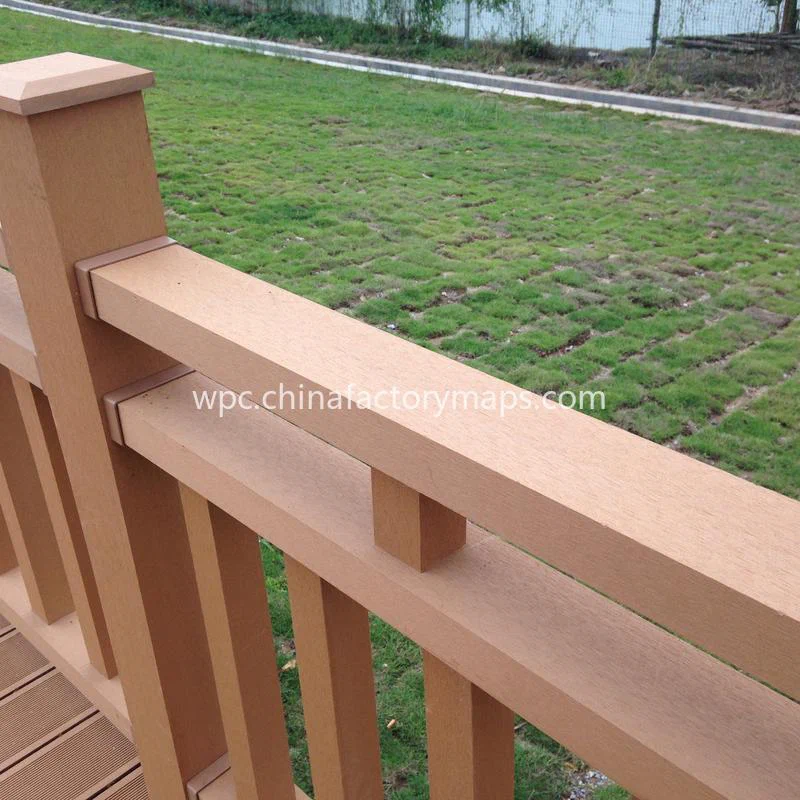
Composite deck companies vary in the materials and construction methods they use, which affects performance characteristics and suitability for different applications. Understanding these differences is essential for making informed purchasing decisions. This article provides a technical comparison of various composite decking options, highlighting the material behaviors and trade-offs that matter most to buyers.
Material Types

Two primary types of composite materials dominate the market: wood-plastic composites (WPC) and high-density polyethylene (HDPE) composites. WPC combines wood fibers with plastic, resulting in a product that offers a natural wood appearance while providing resistance to moisture and insects. On the other hand, HDPE composites are made entirely of recycled plastic, making them highly resistant to moisture and UV damage. Each type has its own merits; WPC may offer better aesthetics, whereas HDPE composites excel in durability and low maintenance.

Thermal Movement and Installation
Thermal expansion and contraction are critical factors in composite decking. WPC typically expands and contracts more than HDPE due to its wood content. This necessitates careful installation with adequate gapping to prevent buckling or warping. HDPE, while also experiencing expansion, tends to be more stable under temperature fluctuations. Understanding these properties can influence installation techniques and long-term performance, impacting the overall lifespan of the deck.
UV Resistance and Color Retention
Color retention is a significant consideration when choosing composite decking materials. WPC can fade over time when exposed to sustained UV light, which may necessitate periodic maintenance or replacement. In contrast, HDPE composites often maintain their color better due to their all-plastic composition. Buyers should evaluate the importance of aesthetics and color longevity when selecting materials, especially for outdoor applications where exposure to sunlight is inevitable.
Fastening Systems
The method of fastening composite decking can significantly impact the overall performance and appearance of the deck. Many composite deck companies offer hidden fastening systems designed to create a clean look without visible screws. Both WPC and HDPE materials can be used with these systems, but the type of composite can affect the choice of fasteners. WPC may require specific fasteners that accommodate its expansion properties, while HDPE may allow for a broader range of fastening options due to its stability.
Maintenance Requirements

While both WPC and HDPE composites are marketed as low-maintenance alternatives to wood, differences remain. WPC may require periodic cleaning and sealing to maintain its appearance and protect against moisture, whereas HDPE composites generally require less maintenance over time. Buyers should weigh the long-term upkeep costs against initial material costs when making decisions regarding their deck investment.

Environmental Impact
Environmental considerations are becoming increasingly important for buyers. WPC generally includes recycled wood fibers, contributing to a more eco-friendly profile compared to traditional lumber. Meanwhile, HDPE composites are often made from recycled plastics, further enhancing their environmental appeal. Understanding the sustainability of the materials can influence buyer decisions, especially as eco-consciousness grows within the market.
Cost Considerations
Price points for composite decking can vary significantly based on material type and manufacturing processes. WPC products may be more affordable upfront but could incur additional costs related to maintenance and replacement over time. HDPE composites typically come with a higher initial investment but may offer savings in the long run due to their durability and minimal upkeep. Evaluating the total cost of ownership is crucial for buyers looking to optimize both initial investments and future expenses.
FAQ
Q: What are the main differences between WPC and HDPE composites?
A: WPC combines wood fibers with plastic, offering a natural appearance but requiring more maintenance. HDPE composites are made entirely of recycled plastic, providing better moisture and UV resistance.
Q: How should I install composite decking to account for thermal movement?
A: Adequate gapping is necessary when installing WPC decking to accommodate expansion and contraction. HDPE is generally more stable, but it is still advisable to follow manufacturer guidelines for installation.
Featured Suppliers
Verified premium suppliers on our map.
