Emerging Changes in Composite Decking for Balcony Applications
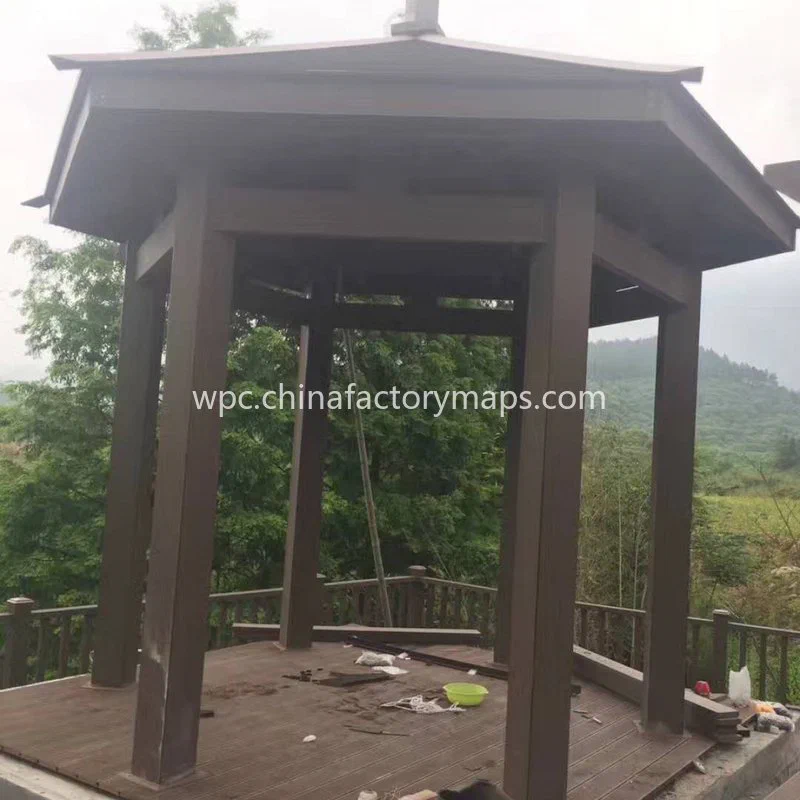
The production and application of composite decking for balcony projects are undergoing notable shifts within the Chinese WPC manufacturing sector. As urban living trends emphasize maximized outdoor spaces, balcony decking has become a crucial segment for both residential and commercial developments. Manufacturers are adjusting their designs and material formulations to meet evolving buyer preferences and regulatory standards.
Trends in Material Innovation

One major development is the growing use of co-extrusion technology in balcony decking. This method involves an outer protective layer that enhances UV resistance, combats fading, and provides a more natural appearance. Buyers sourcing from regions like Guangdong and Zhejiang have reported an increased availability of these advanced products. Additionally, WPC producers are experimenting with higher wood content blends, aiming to offer a texture closer to natural wood, while maintaining moisture resistance and reduced maintenance requirements.

Focus on Urban-Specific Features
Urban balcony applications often demand features distinct from traditional outdoor decking. Anti-slip properties remain a top priority, especially for areas exposed to rainfall. Manufacturers are also focusing on lightweight board designs to reduce structural load, a critical factor in high-rise buildings. Furthermore, improved fire resistance ratings are becoming standard, particularly in exports to regions with stringent building codes. Suppliers in Anhui and Jiangsu provinces, for instance, have been proactive in addressing these needs.
Port-Centric Production and Export
Proximity to major export ports such as Shanghai Port and Shenzhen Port continues to influence sourcing decisions. Factories near these logistical hubs can offer faster shipping times and lower transportation costs, an advantage for bulk orders. For international buyers, this means a more streamlined procurement process when selecting suppliers in cities like Foshan or Qingdao. As global demand for composite decking grows, especially for balcony-specific applications, this logistical efficiency is increasingly important.
Sustainability and Compliance
Environmental considerations are also shaping manufacturing trends. Many Chinese WPC factories are integrating recycled materials into their production processes to cater to eco-conscious buyers. Compliance with green certifications has become a selling point, particularly for exports to markets in Europe and North America. Buyers evaluating suppliers in provinces like Shandong and Anhui will find an increasing emphasis on these sustainable practices, aligning with broader global shifts toward environmentally responsible sourcing.
FAQ
Q: What is co-extrusion decking, and why is it popular for balconies?
A: Co-extrusion decking features a protective outer layer that enhances durability, UV resistance, and aesthetic appeal, making it ideal for balcony applications.
Q: Are Chinese WPC factories producing fire-resistant decking for export?
A: Yes, many manufacturers now offer fire-resistant WPC products, particularly for markets with strict building safety regulations.
Q: How does proximity to export ports affect sourcing decisions?
A: Factories near major ports can reduce shipping costs and lead times, making them attractive for international buyers placing bulk orders.
Featured Suppliers
Verified premium suppliers on our map.