
Essential Factors to Consider When Buying Composite Deck Railing Parts
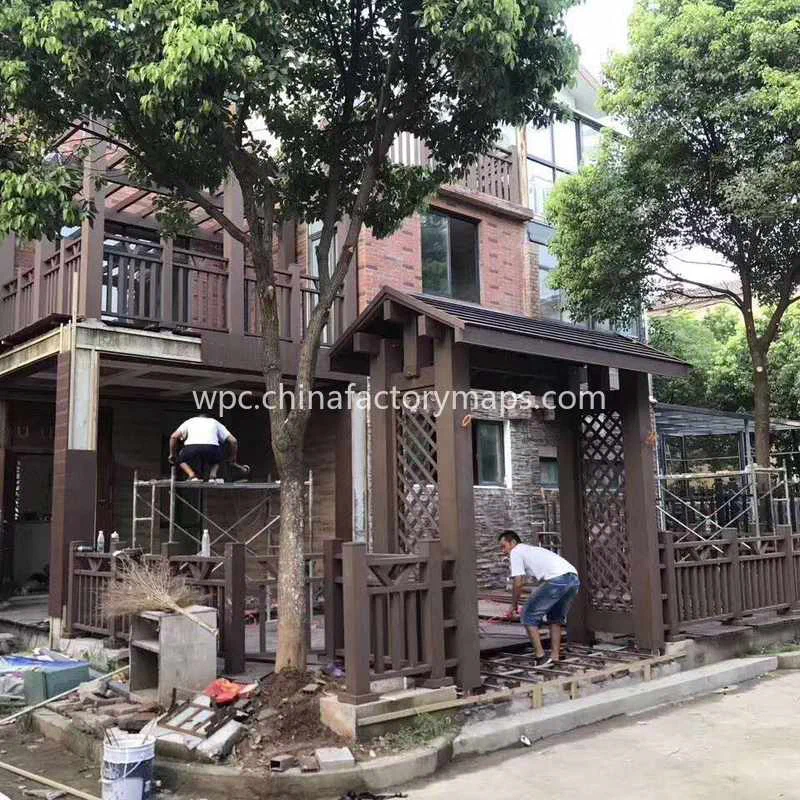
When sourcing composite deck railing parts from China, buyers must consider several essential factors to ensure they select the right supplier. The landscape of manufacturers in this sector is diverse, with variations in product quality, manufacturing capabilities, and compliance with industry standards. Understanding these differences can help buyers avoid common pitfalls and make informed purchasing decisions.
One critical factor to verify is the supplier’s manufacturing capabilities. Genuine manufacturers typically have advanced machinery and skilled labor for producing composite materials, while trading companies may lack production facilities and capabilities. Requesting information about their production process, including the materials used and quality control measures in place, can provide insight into their legitimacy. A reputable manufacturer will often be open to factory visits or video inspections, allowing buyers to see the operations firsthand.
Another consideration is the certifications that the manufacturer holds. While specific certification names were not provided, buyers should inquire about compliance with international quality standards, such as ISO or ASTM. These certifications indicate a commitment to maintaining quality and safety in their products. A lack of certifications may suggest that the supplier is not serious about meeting industry standards, raising red flags for potential buyers.

Buyers should also be cautious of the variety of materials and formulations used in composite deck railing parts. Different suppliers may offer varying blends of plastic and wood fibers, impacting the final product’s strength, durability, and appearance. It is advisable to request samples before placing a bulk order to assess the material quality. Additionally, understanding the supplier’s warranty policy can provide reassurance regarding the longevity and performance of the products.

Communication with the supplier is critical throughout the sourcing process. Questions about lead times, production capacity, and delivery logistics should be clearly addressed. If a supplier is vague or unresponsive, it may indicate that they lack the experience or professionalism needed for a successful partnership. Establishing a clear line of communication can also help in resolving any issues that may arise during production or shipping.
Common issues that can occur when purchasing composite deck railing parts include delays in shipping, discrepancies in product specifications, and unexpected costs. Buyers should clarify the terms of sale, including payment methods, shipping terms, and any potential tariffs. Understanding the full cost structure can prevent unpleasant surprises that affect the overall budget. It is also beneficial to work with suppliers who have a proven track record of timely deliveries and transparent pricing.

Another aspect to consider is the supplier’s location concerning major export ports. Proximity to ports such as Shanghai Port, Ningbo-Zhoushan Port, or Shenzhen Port can greatly influence shipping times and costs. When assessing suppliers, it may be worthwhile to filter options based on their distance to these ports to optimize logistics. This can lead to more efficient supply chains and reduced shipping expenses.
Lastly, buyers should be aware of the trends and demands in the composite railing market. Understanding customer preferences for colors, finishes, and styles can aid in selecting products that align with market needs. Suppliers who keep up with trends may also offer innovative products that stand out in a competitive landscape. Engaging with suppliers who demonstrate market awareness can lead to better product selections and improved sales potential.

FAQ
Q: What should I look for to verify a supplier’s legitimacy?
A: Verify their manufacturing capabilities, request certifications, and consider factory visits or video inspections.
Q: How can I avoid common issues when sourcing composite deck railing parts?
A: Clearly communicate your requirements, clarify terms of sale, and understand the full cost structure before finalizing orders.
Q: Why is the supplier’s location important?
A: Proximity to major export ports affects shipping times and costs, influencing overall logistics efficiency.
Featured Suppliers
Verified premium suppliers on our map.
