Evaluating Composite Decking Suppliers by Location and Port Access
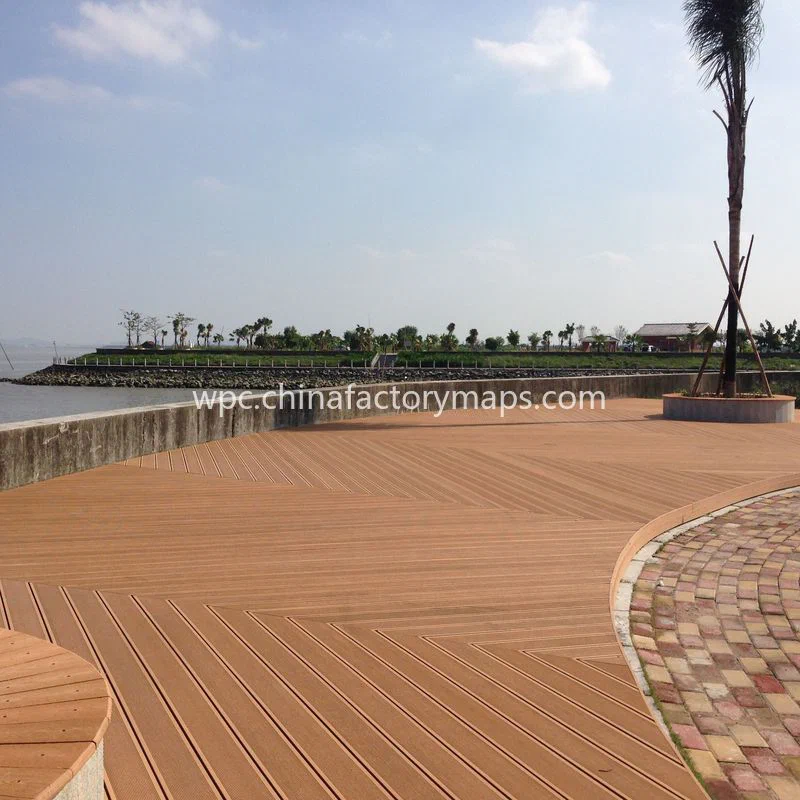
Evaluating composite decking suppliers often begins with location. Factories in major Chinese manufacturing hubs like Guangdong, Shandong, and Zhejiang have logistical and cost advantages due to proximity to export ports and established supply chains. Buyers can use tools like map-based directories to identify clusters of suppliers and evaluate their suitability based on both geographical and logistical considerations.
Supplier Location and Cluster Significance
Geography plays a significant role in supplier selection for composite decking. Factories in Guangdong, for example, benefit from access to Shenzhen and Guangzhou ports, which handle high export volumes. Similarly, Zhejiang suppliers are near Ningbo-Zhoushan Port, a key hub for international shipping. Supplier clusters in these regions often signal a concentration of expertise and resources, as manufacturers in close proximity may share access to raw materials and skilled labor. Choosing a supplier within such clusters can reduce costs associated with transportation and ensure faster turnaround times.
In contrast, suppliers located farther from major ports may face higher logistical challenges. While such factories might offer competitive pricing, buyers should consider the added costs and time for transporting goods to export hubs like Shanghai or Qingdao. These factors can offset initial savings, especially when dealing with bulk orders of composite decking.
Key Vetting Considerations
After narrowing down suppliers by location, buyers should confirm several critical aspects during the vetting process. Certification and compliance with international standards are non-negotiable for products like composite decking, which must perform reliably under various environmental conditions. It’s also essential to verify production capacity, as some smaller factories may struggle with large or time-sensitive orders. Additionally, understanding the supplier’s experience with specific composite types—such as co-extrusion or capped decking—can indicate their ability to meet specialized requirements.
Ensuring that a supplier can handle OEM manufacturing is another practical step, particularly for businesses looking to customize designs, finishes, or branding. While many Chinese factories excel at large-scale production, not all may have the flexibility to produce bespoke products. Communicating these needs early can save time and reduce misunderstandings.
Using Map-Based Tools for Streamlined Sourcing
A map-based supplier directory simplifies the process of identifying accessible and strategically located manufacturers. By visualizing factory locations in relation to ports, buyers can quickly assess which suppliers are most convenient for their shipping routes. For instance, a factory near Guangzhou Port may be better suited for exports to Southeast Asia, whereas suppliers near Qingdao Port are strategically positioned for shipping to North America.
Additionally, map directories help buyers identify regional specializations. The concentration of WPC manufacturers in Zhejiang, for example, may reflect a regional expertise in certain types of composite materials or production techniques. Such insights are valuable for businesses looking to source from regions with a strong background in their product category.

Balancing Cost and Logistics
While price is a key factor, buyers should evaluate it in the broader context of logistics. Factories near ports generally incur lower inland transportation costs, which can make their composite decking deals more competitive overall. However, price competitiveness should not come at the expense of quality or reliability. Buyers should weigh factors like lead time, after-sales support, and supplier reputation alongside cost considerations.
Transportation costs can also vary depending on the specific port used for export. For example, shipping from Shanghai Port may be more cost-efficient for suppliers in Jiangsu or Shanghai itself, while suppliers in Shandong might prefer Qingdao or Rizhao Port. Matching factory location with an optimal port can reduce delays and improve overall supply chain efficiency.
Regional Differences in Production Capabilities
Each manufacturing hub has its own strengths. Guangdong is known for its high production capacity and proximity to advanced supply chains, making it ideal for large-scale projects. Anhui, on the other hand, offers a growing number of suppliers, often at competitive pricing, but may require closer scrutiny to ensure quality and capacity. Shandong is another key player, with a reputation for exporting durable and weather-resistant composite decking, thanks to its proximity to Qingdao and Rizhao ports.
Regions like Shanghai and Jiangsu, though hosting fewer factories, are strategically positioned for buyers prioritizing quick access to global shipping routes. These areas may be particularly appealing for high-end or time-sensitive projects, where reliability and shorter lead times are crucial.
Final Steps Before Commitment
Once a shortlist of potential suppliers is established, conducting a factory audit is recommended. This can include an on-site visit or a third-party inspection to assess production facilities, quality control measures, and workforce capacity. Sampling is another critical step; requesting product samples allows buyers to evaluate the decking’s UV resistance, color stability, and overall durability under real-world conditions. These tests are especially important for buyers targeting outdoor decking or poolside applications where material performance is critical.
Finally, buyers should clarify all terms of trade, including payment schedules, shipping arrangements, and warranties, before finalizing any agreements. Clear communication and comprehensive contracts minimize the risk of disputes and ensure a smoother transaction process.

FAQ
Q: Why is location important when choosing a composite decking supplier?
A: Supplier location affects transportation costs, lead times, and access to export ports, which are critical for cost efficiency and timely deliveries.
Q: What should I confirm during the supplier vetting process?
A: Key areas include production capacity, certifications, compliance with international standards, and the ability to fulfill custom OEM manufacturing requirements.
Q: How can map-based directories assist in supplier selection?
A: They allow buyers to locate factories geographically, evaluate proximity to export ports, and identify regional specializations in composite decking manufacturing.
Featured Suppliers
Verified premium suppliers on our map.