Evaluating Composite Decks and Railings Suppliers by Port Proximity
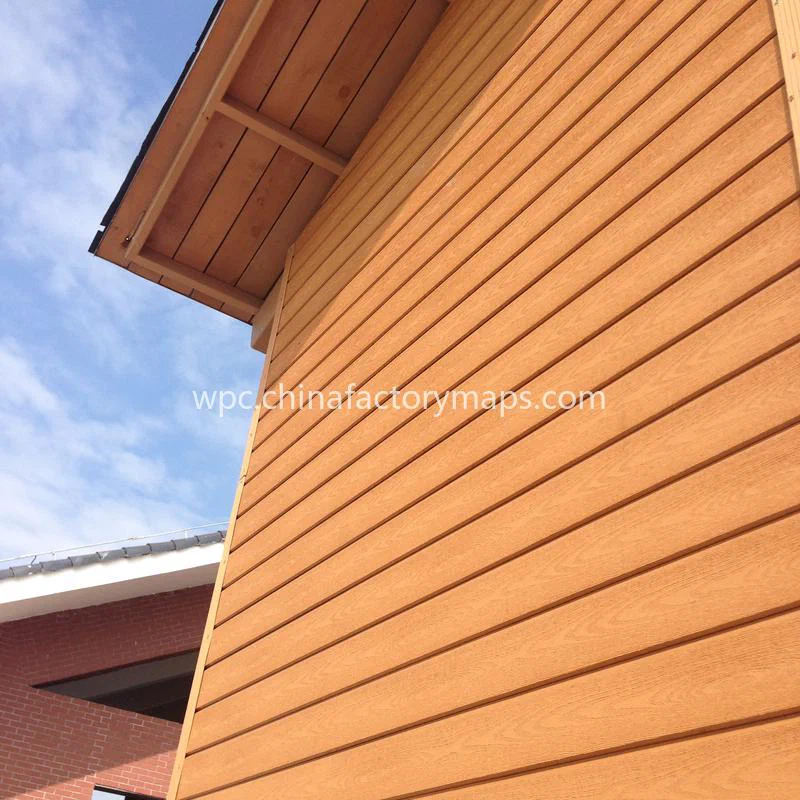
Evaluating suppliers of composite decks and railings often begins with geography, particularly for international buyers. The location of a supplier impacts logistics, costs, and lead times, making proximity to major export ports a key factor. On platforms like ChinaFactoryMaps.com, buyers can visually assess factory clusters and distances to ports, streamlining the selection process.
Geographic Considerations

China’s composite deck and railing suppliers are concentrated in several provinces, each with distinct advantages. Guangdong, for example, has 22 suppliers listed on the directory, many near major hubs like Guangzhou and Shenzhen. Factories in this region benefit from proximity to Shenzhen Port and Guangzhou Port, which are among China’s busiest export terminals. Similarly, Zhejiang’s suppliers, especially those near Huzhou and Jiaxing, have access to Ningbo-Zhoushan Port, known for its high container throughput. These logistical advantages can reduce transit times and shipping costs, particularly for bulk orders.
In northern regions like Shandong, close to Qingdao Port and Rizhao Port, suppliers cater to markets requiring shorter shipping routes to destinations in Northeast Asia or the Americas. For buyers targeting European markets, suppliers near Shanghai or Jiangsu may offer better alignment with shipping routes to major European ports. Evaluating these geographic factors can narrow the supplier field early, saving time during the vetting process.
Clusters and Industry Signals
Factory clusters in provinces like Anhui, where Xuancheng and Guangde host multiple suppliers, often indicate regional specialization. Clusters can signal shared expertise, access to specific raw materials, or established local infrastructure. For composite wood products, clusters may also reflect a shared supply chain for polymers and wood fibers, which can influence material consistency across suppliers.
However, being part of a cluster does not automatically guarantee quality. Buyers should still confirm certifications, inspect production facilities, and request product samples. Clusters are an initial indicator, not a substitute for thorough due diligence. Platforms like ChinaFactoryMaps.com help buyers identify clusters and evaluate options side by side, emphasizing the importance of comparative assessment.
Key Vetting Criteria
When selecting a supplier for composite decks and railings, it is essential to verify production capabilities and quality control processes. ISO certifications, test reports for UV resistance or anti-slip properties, and compliance with international standards are critical benchmarks. Buyers should also inquire about customization options, such as co-extrusion technology for enhanced durability or specific color and texture requirements. For larger projects, confirming the supplier’s ability to handle bulk orders without compromising lead times is equally important.
Visiting the factory, if feasible, can provide valuable insights into production workflows and quality assurance practices. Alternatively, engaging a third-party inspection service can help verify claims made during initial discussions. A supplier’s willingness to provide transparent documentation and samples can further indicate reliability.

Leveraging the Directory
ChinaFactoryMaps.com simplifies the supplier selection process by providing a geographic overview of available options. The platform allows buyers to filter suppliers by proximity to key export ports, helping to align sourcing decisions with logistical needs. For instance, a buyer prioritizing rapid shipment to North America might focus on suppliers near Qingdao or Shanghai.
Additionally, the directory highlights supplier clusters, enabling buyers to identify regions with established composite material manufacturing expertise. This approach can reduce the time spent researching individual companies while offering a comprehensive view of regional capabilities. By combining geographic filters with traditional vetting practices, buyers can make more informed decisions.

Building Long-Term Partnerships
Establishing a reliable supplier relationship requires more than an initial transaction. Buyers should assess a supplier’s ability to adapt to future needs, such as changes in design specifications or increased order volumes. Factors like bilingual communication capabilities, flexibility in MOQs, and responsiveness to technical inquiries often play a significant role in maintaining smooth operations. Long-term partnerships benefit from mutual transparency and a shared commitment to quality, ensuring consistent results over time.
FAQ
Q: Why is proximity to export ports important for composite deck suppliers?
A: Proximity reduces shipping costs and transit times, which is critical for international buyers managing logistics.
Q: How do supplier clusters affect product quality?
A: Clusters often indicate regional expertise and shared supply chains, but buyers should still verify quality through independent checks.
Q: What certifications should I look for in composite deck suppliers?
A: Look for ISO certifications, UV resistance, anti-slip test reports, and compliance with international standards relevant to your market.
Featured Suppliers
Verified premium suppliers on our map.