Export Guidelines for Composite Deck Fastening Systems
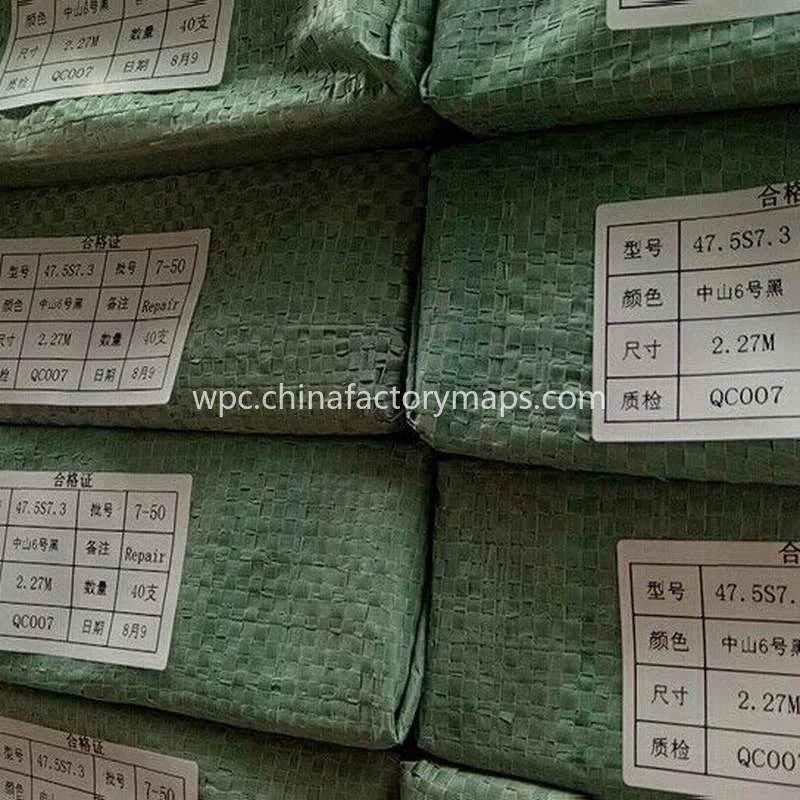
Exporting composite deck fastening systems requires careful consideration of supplier location relative to major ports and the specific logistics challenges this product presents. With mapped supplier clusters across six provinces in China, buyers can select manufacturers near ports that optimize shipping efficiency and reduce transit risks. This article examines the connection between supplier geography, port proximity, and export dynamics for these systems.
Port Proximity and Regional Advantages

Composite deck fastening systems are often bulky and heavy, making transportation costs a critical factor in supplier selection. For suppliers located in Guangdong, proximity to Shenzhen Port or Guangzhou Port can significantly reduce inland transit times and costs, especially for bulk orders. Similarly, manufacturers in Anhui benefit from access to Shanghai Port, which offers high container capacity and frequent international routes. For Shandong-based suppliers, ports like Qingdao and Rizhao are key gateways for exporting these systems to overseas markets. Buyers should prioritize suppliers within short distances to minimize handling and transport risks, particularly given the weight and size of the product.

Logistics and Container Considerations
These systems require secure packaging to prevent damage during long shipments. Ports such as Ningbo-Zhoushan and Shanghai offer advanced container facilities, including temperature-controlled options for products sensitive to extreme heat or cold. Despite being resistant to moisture and insect damage, composite materials can suffer from mishandling that affects their structural integrity. Choosing a supplier near ports with high container throughput and reliable cargo handling ensures better protection against transit mishaps. Buyers should also factor in port congestion during peak export seasons to avoid delays, opting for less crowded alternatives like Taicang Port or Yingkou Port when feasible.
Strategic Supplier Selection

When evaluating suppliers, buyers should consider not just production capacity but also the efficiency of their logistics networks. Suppliers near export hubs such as Tianjin Port or Lianyungang Port may offer faster lead times for shipments to North America or Europe due to streamlined customs processes. Additionally, understanding port-specific strengths—such as Beibu Gulf Port’s focus on Southeast Asian trade routes—can help buyers align shipping strategies with their target markets. Proximity to export ports ultimately impacts delivery timelines, freight costs, and the ability to meet tight deadlines, especially for high-demand composite decking projects.

FAQ
Q: Why does proximity to export ports matter for composite deck fastening systems?
A: It reduces inland transport costs and minimizes damage risks during transit, especially for bulky and heavy shipments.
Q: Which Chinese ports are frequently used for exporting these systems?
A: Major ports include Shanghai Port, Qingdao Port, Ningbo-Zhoushan Port, Guangzhou Port, and Shenzhen Port.
Related Articles
Featured Suppliers
Verified premium suppliers on our map.