Exporting Composite Decking Boards: Ports and Shipping Insights
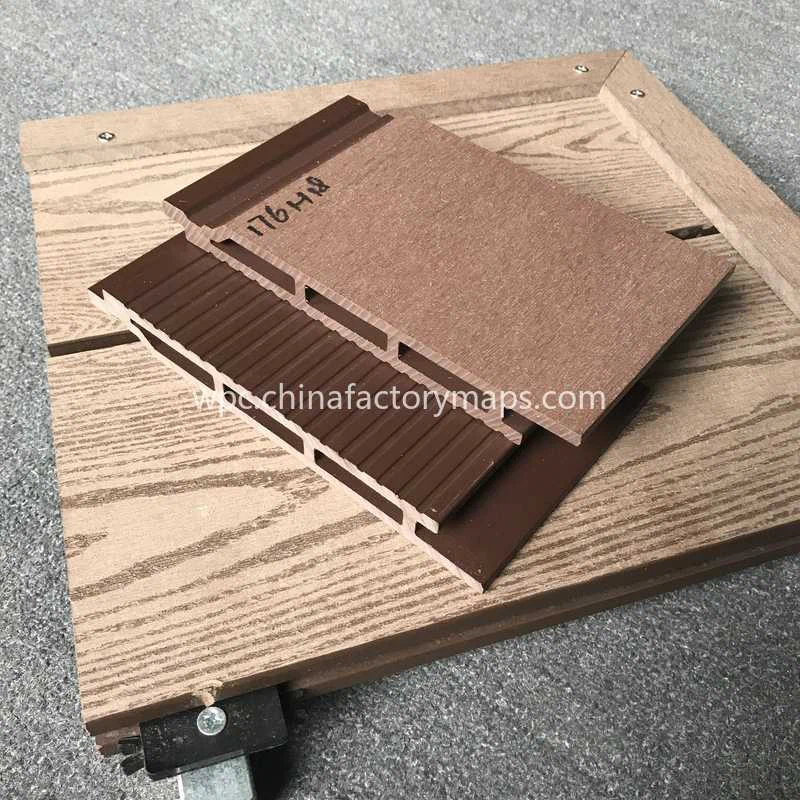
Exporting composite decking boards involves careful consideration of logistics, especially regarding port proximity. The weight and volume of decking boards composite products make transport a key cost factor, and minimizing the distance between the manufacturing site and the export port can reduce both shipping costs and the risk of damage in transit. This article explores how port access influences supplier selection and highlights the major export ports in China serving WPC manufacturers.
In Guangdong province, home to 22 listed WPC factories, Shenzhen Port and Guangzhou Port are the primary export hubs. These ports are well-equipped to handle the high container volumes associated with decking boards composite products. Shenzhen Port, in particular, is one of the busiest in the world, offering competitive freight rates and efficient customs processing. Manufacturers in cities like Foshan and Zhuhai benefit from the proximity of these ports, which enables faster delivery timelines and reduced transportation costs from factory to port.

Elsewhere, the Anhui region, particularly around Xuancheng, Suzhou, and Guangde, relies on port access via Shanghai Port and Ningbo-Zhoushan Port. While Anhui-based factories are farther from the coastline, they are strategically positioned near major logistics routes leading to these ports. Shanghai Port, as one of the largest globally, provides extensive shipping line options, while Ningbo-Zhoushan Port offers robust container handling capabilities. For buyers, selecting suppliers in this region may involve factoring in slightly higher internal transport costs compared to coastal regions, but the trade-off can often be offset by competitive manufacturing costs.
In northern China, Shandong province, with seven listed suppliers in cities like Zibo and Linyi, primarily ships through Qingdao Port. Qingdao Port is a significant trade hub for northern China, offering direct international shipping routes and advanced handling facilities for heavy and bulky goods like composite decking. Suppliers in this cluster can offer competitive lead times for shipments destined for markets in North America or East Asia, leveraging the port’s efficient operations.
Proximity to export ports is a factor that buyers should weigh alongside other considerations like product quality and pricing. Shorter distances between the production facility and the port can reduce inland freight costs, minimize the risk of damage during transit, and potentially lead to faster order fulfillment. Factories near major ports like Shenzhen, Shanghai, or Qingdao are often better positioned to meet tight shipping timelines, making them a strategic choice for buyers with urgent supply chain needs.

FAQ
Q: Why is port proximity important for composite decking exports?
A: Port proximity reduces inland transportation costs, minimizes handling risks, and can shorten delivery timelines.
Q: Which port is ideal for WPC manufacturers in Guangdong?
A: Shenzhen Port and Guangzhou Port are the primary export hubs serving Guangdong manufacturers.
Q: How does Anhui’s distance from the coast affect shipping?
A: While farther from ports, Anhui factories use efficient logistics routes to access Shanghai and Ningbo-Zhoushan Ports.
Related Articles
Featured Suppliers
Verified premium suppliers on our map.