
Exporting Wood-Plastic Sheds: Ports, Containers and Delivery Planning
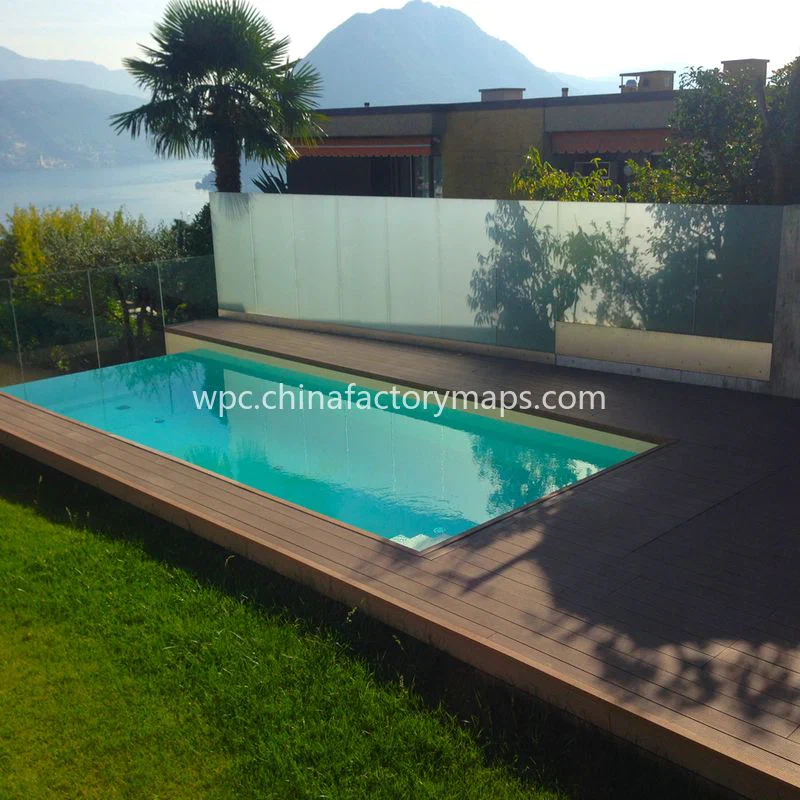
Export planning for a wood plastic shed starts with the factory’s location, the shipping port and the way the product fits into a container. China’s mapped WPC supplier clusters span several provinces, giving overseas buyers different options for inland transport and port access. Comparing these routes helps buyers assess the full delivery plan rather than choosing a supplier on factory location alone.
Match the factory region to the export port
Guangdong has the largest mapped supplier cluster, with listings across Foshan, Guangzhou and Zhuhai. Shenzhen Port and Guangzhou Port are relevant options for shipments from this region, although the best choice depends on the factory’s actual location, carrier services and destination route. Anhui, with suppliers around Xuancheng, Suzhou and Guangde, requires a different inland transport assessment. Buyers should compare routes to Shanghai Port or other suitable export gateways rather than assume that the nearest port is automatically the most efficient.
Shandong’s mapped suppliers include Zibo, Linyi and Qingdao, making Qingdao Port a key gateway to assess. Zhejiang suppliers around Huzhou, Jiaxing and Hangzhou may compare Shanghai Port with Ningbo-Zhoushan Port. For factories in Jiangsu, including Nanjing, Shanghai Port and Taicang Port may enter the comparison. Shanghai also has mapped suppliers within the port city itself. These are starting points for route evaluation, not guarantees of the shortest journey or lowest freight cost. Actual road distance, inland handling and available sailings determine the practical route.
Container planning and transit risk

WPC sheds create a particular packing challenge because their components occupy space while contributing substantial weight. Wall panels, roof sections, floor components, frames and accessories may be packed separately, depending on the product design. A container can reach its practical volume limit before its payload limit, or approach the permitted weight before every available space is used. Buyers should request a packing list showing carton dimensions, gross weight, package count and the proposed container configuration.

Container fill affects the landed cost per unit. Poorly matched carton dimensions can leave unused space, while excessive stacking or inadequate internal support can damage panels and connectors. Long-distance inland transport adds handling stages before the goods reach the port. Sea transit introduces further movement and exposure to moisture, so packaging should protect vulnerable edges and keep components secured against shifting. The supplier’s loading plan should account for the product’s dimensions and the handling requirements of the selected container.
A shorter factory-to-port journey can reduce inland freight exposure and simplify coordination, but it does not automatically make a supplier the better choice. A factory farther from the export port may offer a more suitable packing arrangement or a shipping schedule that better matches the buyer’s requirements. The comparison should include inland trucking, terminal handling, port-related charges, sailing frequency and the risk of missing a vessel cutoff. Buyers should also confirm who arranges export documentation and inland delivery, and whether the quoted logistics scope ends at the factory, the port or the destination.
Compare suppliers by the complete route
Chinafactorymaps.com plots WPC factories geographically so buyers can compare mapped supplier locations with nearby export ports. Use the map to shortlist factories by region, then verify the actual shipping route with each supplier or freight forwarder. Request the factory address, proposed loading port, container plan and estimated inland transit time before comparing quotations. Confirm whether the shipping plan is based on a full-container load or a shared-container arrangement, since these options can change handling, cost allocation and damage exposure.
Product specifications also affect the shipment plan. WPC expands and contracts with temperature, so shed components need appropriate installation gaps and a ventilated supporting structure. The goods should be packed to limit moisture exposure during transport, but WPC should not be treated as indestructible or absolutely waterproof. Sustained ultraviolet exposure can also fade colour after installation. Buyers should confirm the intended use, component tolerances and installation instructions before approving the order. These details help ensure that a low inland freight estimate does not distract from the practical requirements of delivering the correct product in usable condition.
FAQ
Q: Which Chinese export port should buyers choose for WPC sheds?
A: The appropriate port depends on the factory’s location, inland transport cost, carrier availability and destination. Compare relevant gateways such as Shanghai Port, Shenzhen Port, Guangzhou Port, Qingdao Port and Ningbo-Zhoushan Port against the actual shipping route.
Q: What information is needed to compare container costs accurately?
A: Request package dimensions, gross weights, total package count, container loading plans and inland transport estimates. Confirm the proposed loading port, applicable handling charges and whether the shipment uses a full or shared container.
Featured Suppliers
Verified premium suppliers on our map.
