
Exporting WPC Product Bundles Through China's Major Seaports
Exporting WPC product bundles from China involves more than selecting a factory and arranging container space. The producing province, inland transport distance and choice of export port all affect shipping costs and cargo handling. For overseas buyers sourcing multiple WPC items in one shipment, the location of the supplier can influence how efficiently the order moves from factory to vessel.
Guangdong has the largest mapped supplier cluster, with 22 listed factories across Foshan, Guangzhou and Zhuhai. Shenzhen Port and Guangzhou Port are important export options for buyers sourcing from this region. A factory’s actual distance to either port matters, particularly when an order combines decking boards, fence panels, railing components or wall cladding. These products can occupy substantial container space, while their combined weight also affects loading plans. A supplier closer to the selected port may reduce inland trucking requirements, but geographical proximity alone does not establish the lowest delivered cost. Buyers should compare factory-to-port transport arrangements, container loading capacity and the handling process before choosing a shipping route. Guangdong suppliers may also be compared against other mapped production areas when the destination market has different routing requirements.
Other supplier clusters connect to different port networks. Shandong has seven mapped suppliers, including locations in Zibo, Linyi and Qingdao, making Qingdao Port a relevant export reference for this production area. Zhejiang’s six listed suppliers include Huzhou, Jiaxing and Hangzhou, where Ningbo-Zhoushan Port and Shanghai Port provide major shipping options. Shanghai itself has three mapped suppliers, while Jiangsu has two, including Nanjing. For these locations, Shanghai Port and Taicang Port are relevant points for evaluating inland movement and vessel connections. Anhui has nine listed suppliers, including Xuancheng, Suzhou and Guangde. Buyers sourcing there should assess the actual road distance to an appropriate port rather than assume that the nearest provincial boundary determines the best route. Depending on factory location and shipping arrangements, Shanghai Port or Ningbo-Zhoushan Port may be considered. The directory’s geographic view helps distinguish these options without treating every supplier in one province as equally close to the same port.

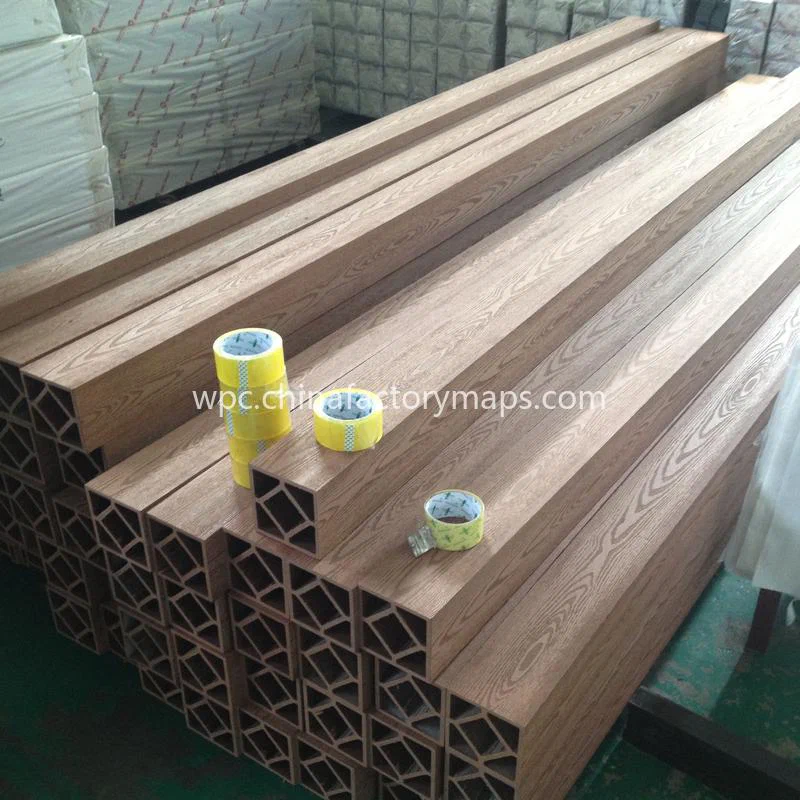
Port distance also affects product condition during transit. WPC expands and contracts with temperature, and poorly planned storage or loading can increase the risk of deformation and surface damage. Long inland journeys add handling stages before the cargo reaches the vessel. Container fill is another consideration: boards and long profiles require careful stacking, suitable protection and an appropriate loading sequence. Buyers should request packing details, container loading plans and confirmation of how products are separated and secured. Moisture resistance does not make WPC immune to damage, and sustained UV exposure can cause colour fading. For mixed wpc product bundles, the supplier should clarify whether different product profiles can share a container and whether their dimensions and packaging are compatible. A practical sourcing comparison therefore considers the factory’s mapped position, distance to the intended port, inland freight arrangements and suitability of the proposed packing method. The cheapest inland route is not necessarily the best option if extra handling increases cargo risk. Comparing these factors across mapped suppliers gives buyers a clearer basis for selecting an export route.

FAQ
Q: Which Chinese ports are relevant when exporting WPC products?
A: Shenzhen Port and Guangzhou Port serve Guangdong suppliers, while Qingdao Port is relevant to Shandong. Shanghai Port, Ningbo-Zhoushan Port and Taicang Port are also important options for evaluating suppliers in eastern China.
Q: Why should buyers compare factory distance to the export port?
A: Inland distance affects transport costs, handling stages and the time required to move cargo into port. For bulky WPC products, it should be assessed alongside container loading efficiency and packaging protection.
Related Articles
Featured Suppliers
Verified premium suppliers on our map.
