
Exterior WPC Wall Cladding: Hollow Profiles or Solid Boards?
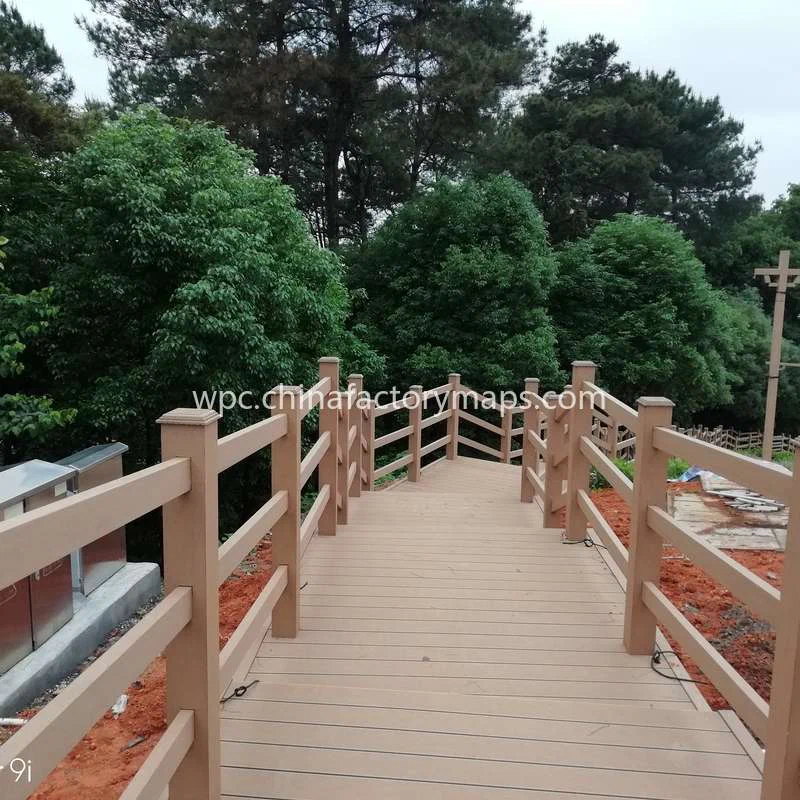
Exterior WPC wall cladding is available in hollow profiles and solid boards, with differences in weight, internal structure, fastening requirements and resistance to physical damage. For buyers comparing suppliers, the choice depends on the facade design, installation conditions and expected service demands. Understanding these differences helps define a suitable specification before requesting quotations from Chinese manufacturers.
Hollow WPC profiles contain internal cavities that reduce material use and overall weight. Their lower mass can simplify handling on large facade projects and reduce the load imposed by the cladding itself. However, the profile geometry matters. Thin outer walls and internal webs may be more vulnerable to local damage from impact or excessive fastening pressure, depending on the formulation and design. Cut ends also expose the internal cavities, so detailing should account for water entry, drainage and the manufacturer’s recommended end treatment. Hollow profiles are often suitable for decorative exterior walls where low weight and a consistent linear appearance are priorities.

Solid WPC boards have a more continuous cross-section and generally provide greater resistance to localized impact than comparable hollow profiles, although actual performance depends on dimensions and material composition. Their added mass can increase handling demands and the load carried by the supporting structure. Solid construction does not eliminate thermal movement, moisture-related issues or the need for correct installation. These boards can suit areas where the cladding may experience more physical contact or where the design calls for a substantial profile. Buyers should compare board thickness, density, bending performance and fastening guidance rather than assuming that every solid board outperforms every hollow alternative.
Both constructions require allowance for temperature-driven expansion and contraction. WPC contains polymer, which responds to temperature changes, and boards can move appreciably along their length. Installers should follow the supplier’s specified end gaps, joint clearances, fixing positions and substructure spacing. A ventilated cavity behind the cladding helps manage moisture and supports drainage; the assembly should not trap water against the wall. Fasteners must suit the profile and supporting material, with appropriate edge distances and allowance for movement. Over-tightening can restrict movement or damage the board, while inadequate support may contribute to deflection or joint misalignment.

Surface formulation is another purchasing consideration. WPC resists moisture and insect attack better than many untreated wood products, but it is not indestructible or absolutely waterproof. Prolonged ultraviolet exposure can fade colour, and surface wear varies with the formulation, finish and exposure conditions. Some products use a co-extruded protective cap, but buyers should verify its construction, weathering evidence and compatibility with the intended application. For a wpc wall panel exterior specification, request technical data covering water absorption, dimensional stability, impact behaviour, colour retention and fire performance where relevant. Samples can help assess finish and colour, but they do not replace documented test results.

Supplier selection should account for the complete facade system, not just the board price. Compare profile drawings, usable coverage, board lengths, accessory availability, installation instructions and packaging for export. A directory such as chinafactorymaps.com lets buyers examine mapped WPC suppliers across Guangdong, Anhui, Shandong, Zhejiang, Shanghai and Jiangsu, then consider proximity to relevant export ports. Guangdong listings include Foshan, Guangzhou and Zhuhai, while Shandong listings include Qingdao and Linyi. Port distance can affect inland transport planning, but it does not establish total freight cost or production capability. Before placing a bulk order, confirm the exact profile, colour, tolerances, production lead time and quality-control arrangements with the supplier.

FAQ
Q: Are hollow or solid WPC boards better for exterior wall cladding?
A: Hollow profiles reduce weight and material use, while solid boards generally offer better resistance to localized impact. The appropriate option depends on profile design, support conditions and the demands of the installation.
Q: What should buyers verify before sourcing exterior WPC cladding from China?
A: Request profile drawings, technical test data, fastening and ventilation instructions, colour-retention information and details of available accessories. Compare supplier location and export-port access alongside production capability and quality-control procedures.
Featured Suppliers
Verified premium suppliers on our map.
