
Finding Chinese Suppliers for Composite Deck Board Pricing
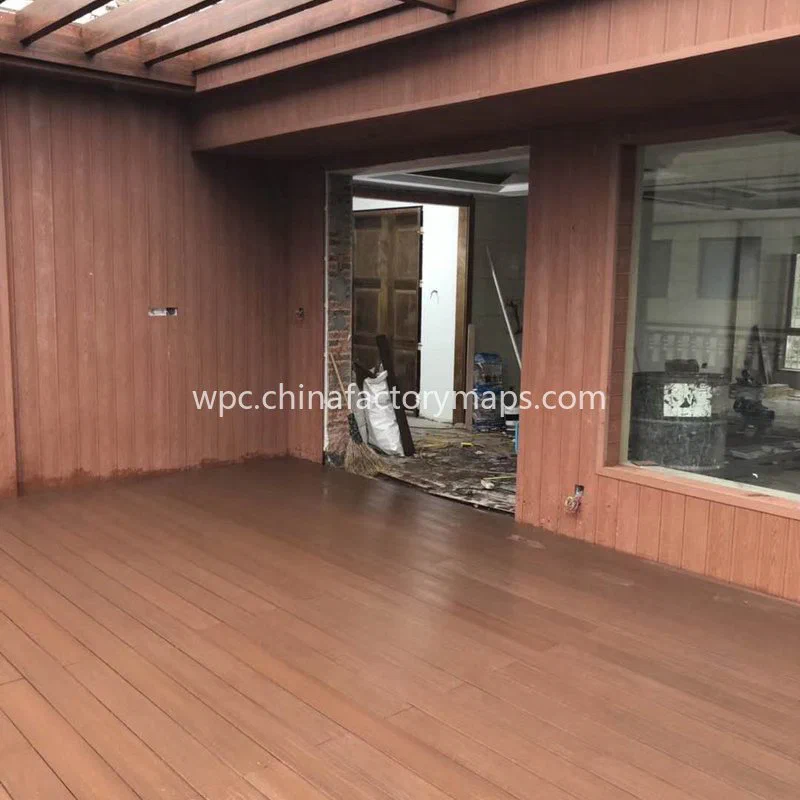
Choosing a Chinese factory for composite deck boards starts with more than comparing quoted unit prices. Factory location affects access to export ports, transport costs and the range of nearby manufacturers available for comparison. For overseas buyers researching composite deck board pricing, geographic filtering provides a practical first step before requesting samples and formal quotations.
Using supplier geography to narrow the search

China’s mapped WPC manufacturing suppliers are concentrated in several regional clusters. Guangdong has the largest listed group, with suppliers in Foshan, Guangzhou and Zhuhai. Anhui forms another significant cluster, including Xuancheng, Suzhou and Guangde. Shandong has mapped suppliers around Zibo, Linyi and Qingdao, while Zhejiang includes Huzhou, Jiaxing and Hangzhou. Shanghai and Jiangsu also have smaller groups.
These concentrations help buyers organise their initial search. A cluster provides several potential suppliers within the same broad manufacturing region, making it easier to compare product specifications and arrange factory visits. However, geographic proximity does not establish manufacturing quality or prove that factories use the same production processes. Buyers should treat cluster membership as a search indicator, not a supplier endorsement.
Port access adds another consideration. Guangdong-based suppliers may be evaluated against export routes through Shenzhen Port or Guangzhou Port. Manufacturers in Zhejiang can be compared in relation to Ningbo-Zhoushan Port, while Shanghai Port is relevant to suppliers in Shanghai and nearby manufacturing areas. Shandong suppliers may have access to Qingdao Port or other regional gateways. Actual transport arrangements depend on the factory’s address, inland freight route and shipping service. The nearest port on a map is not necessarily the most economical export option.
What to confirm before comparing quotations

A useful quotation comparison starts with a consistent product specification. Composite deck boards differ in profile, dimensions, material composition, surface finish and whether they use standard or co-extruded construction. Buyers should request technical datasheets and confirm whether quoted specifications refer to the same product configuration. Otherwise, apparent price differences may reflect different materials or manufacturing requirements rather than supplier competitiveness.

Factory vetting should cover several points:
- Whether the supplier operates its own production facility or outsources manufacturing.
- The wood flour and polymer composition of the boards.
- Available profiles, colours, surface textures and production customisation.
- Product performance information, including moisture resistance, UV exposure and slip performance.
- Sample availability and consistency between samples and bulk production.
- Packaging, loading arrangements, export experience and applicable documentation.
Installation requirements also affect product suitability. WPC expands and contracts with temperature changes, so boards need appropriate expansion gaps and a ventilated substructure. The material resists moisture and insect damage but is not indestructible, and sustained UV exposure can cause colour fading. Buyers should check the manufacturer’s installation guidance and obtain relevant test reports rather than relying on broad performance claims.
ChinaFactoryMaps.com supports the initial sourcing stage by plotting mapped suppliers across these manufacturing regions and showing their geographic relationship to major export ports. Buyers can filter the directory to build a regional shortlist, compare factory locations and identify potential logistics considerations before contacting suppliers. The map does not replace factory audits, technical verification or freight quotations. Its role is to make the first stage of supplier selection more structured.
FAQ
Q: Does a larger WPC supplier cluster mean better product quality?
A: No. Cluster size indicates the concentration of mapped suppliers, not their individual manufacturing standards or product performance.
Q: Which Chinese export port should buyers consider when sourcing composite deck boards?
A: The relevant port depends on the factory’s location, inland transport costs and available shipping routes. Buyers should compare actual logistics quotations rather than selecting solely by geographic distance.
Q: Can the directory confirm composite deck board pricing?
A: The directory helps buyers identify and compare supplier locations. Final pricing must be requested directly from manufacturers using consistent product specifications and order requirements.
Related Articles
Featured Suppliers
Verified premium suppliers on our map.
