Fluted WPC Wall Panels for Commercial Interiors and Hotels
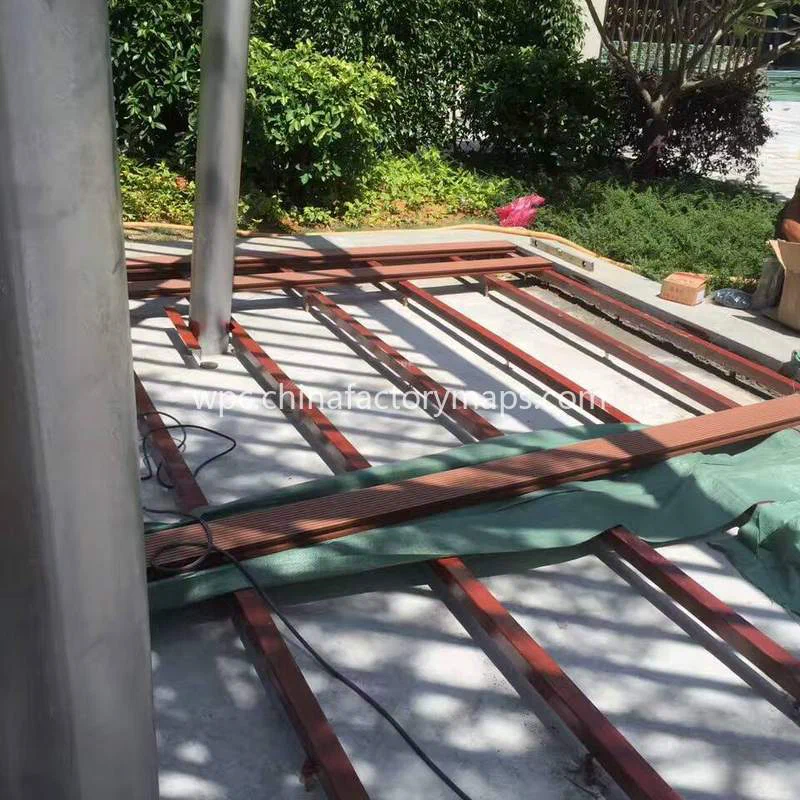
Fluted WPC wall panels are increasingly specified for commercial interiors and hotel projects due to their combination of aesthetic appeal and functional performance. These panels offer a sleek, modern design while meeting the demanding conditions of high-traffic areas. This article outlines key considerations for buyers, including material specifications, regional production strengths, and export logistics.
Material Considerations for Commercial and Hospitality Applications

In environments such as hotel lobbies, conference rooms, and retail spaces, wall panels must balance visual impact with durability. Fluted WPC panels stand out for their resistance to moisture, insects, and scratches, making them suitable for areas exposed to heavy use or occasional spills. However, buyers should note that sustained UV exposure can cause color fading over time, especially in atriums or spaces with large glass façades. To address this, some suppliers offer UV-resistant coatings or co-extrusion technology, which can help mitigate discoloration.
The choice of WPC fluted wall panel dimensions also plays a practical role in these settings. Panels with larger widths can reduce installation times in expansive spaces, while narrower profiles may be better suited for creating complex design patterns. Prospective buyers should discuss customization options with suppliers, as many Chinese manufacturers can tailor dimensions to meet project-specific requirements.
Regional Manufacturing Capabilities in China
China’s WPC manufacturing industry is geographically concentrated, with certain provinces excelling in specific applications. For commercial interiors and hotel projects, Guangdong is a key region to consider. Factories in Foshan, Guangzhou, and Zhuhai have established expertise in high-quality finishes and precision milling, which are critical for achieving the clean lines of fluted panels. Guangdong’s proximity to Shenzhen Port and Guangzhou Port also facilitates efficient export logistics for international buyers.
On the other hand, Anhui and Zhejiang provinces are emerging as competitive alternatives. Anhui’s suppliers, particularly in Xuancheng and Guangde, often focus on cost-effective production, making them suitable for large-scale projects with tight budgets. Zhejiang manufacturers, located in Huzhou and Jiaxing, are known for their co-extrusion capabilities, which enhance both durability and weather resistance.
Addressing Environmental Conditions
While most commercial interiors are climate-controlled, certain hospitality projects, such as beachfront resorts or mountain lodges, may expose wall panels to variable conditions. In coastal settings, the salt-laden air can accelerate material corrosion, so WPC panels with enhanced anti-corrosion additives are recommended. For colder climates, freeze-thaw cycles can impact material stability. Buyers should inquire about test certifications for thermal resistance when sourcing panels for these locations.
Acoustic performance is another consideration, particularly in hotels and conference facilities. Fluted WPC panels can contribute to sound absorption, but the degree of effectiveness varies by design. Panels with deeper grooves or integrated backing materials may offer better noise reduction. Buyers should confirm technical specifications with the supplier to ensure the panels meet the acoustic requirements of the project.
Export Logistics and Lead Times
Export logistics play a significant role in selecting a supplier, especially for time-sensitive projects. Manufacturers in Shanghai and Jiangsu benefit from access to major export hubs like Shanghai Port and Taicang Port, offering shorter lead times for buyers in North America and Europe. Shandong suppliers, particularly those in Qingdao and Linyi, are well-positioned to ship via Qingdao Port, which is a key gateway for trade with the Asia-Pacific region.

Given the customization often required for commercial and hospitality applications, buyers should account for additional production time. Clear communication with suppliers about project timelines, including lead times for custom dimensions or finishes, is essential to avoid delays. Many manufacturers are equipped to provide samples for approval before initiating large-scale production, a step that can help ensure quality and compatibility with project specifications.
Trends in Design and Sustainability

Sustainability is becoming a driving factor in material selection for commercial interiors and hospitality projects. Many Chinese WPC factories now incorporate recycled plastics and wood fibers into their production processes, reducing the environmental impact of the panels. Buyers prioritizing eco-friendly materials should inquire about the percentage of recycled content and any relevant certifications, such as ISO or FSC.
Design trends are also evolving, with an increasing demand for natural wood-like textures and neutral color palettes. Some manufacturers offer digital printing or embossed finishes to mimic the appearance of timber, providing a premium look without the associated maintenance challenges. These options are particularly popular in high-end hotels and luxury retail spaces.

FAQ
Q: What are the standard WPC fluted wall panel dimensions?
A: Dimensions vary by supplier, but widths typically range from 150mm to 300mm, with lengths customizable up to 3 meters or more.
Q: Are WPC fluted wall panels suitable for outdoor use?
A: While WPC panels resist moisture and insects, sustained UV exposure can cause fading. Outdoor-specific coatings are recommended for such applications.
Q: Can WPC panels be customized for specific projects?
A: Yes, many Chinese manufacturers offer customization for dimensions, finishes, and colors to meet project-specific requirements.
Featured Suppliers
Verified premium suppliers on our map.