
Ground-Level Composite Decks: Joist-Based or Sleeper Construction?
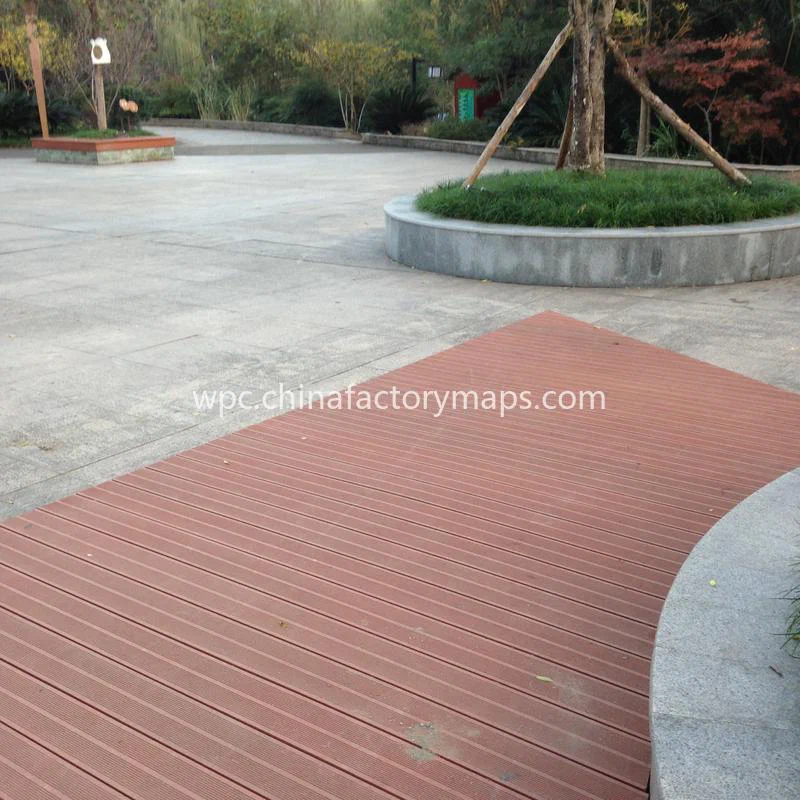
Ground-level composite decking can be installed over a joist-based frame or on a sleeper system, but the two methods differ in structural support, drainage and installation requirements. The right choice depends on the condition of the existing surface, available clearance and how effectively moisture can escape beneath the boards.
Joist-Based Construction
A joist-based installation uses a supporting frame fixed to suitable foundations or structural supports. Decking boards span between the joists, with spacing determined by board specifications, expected loads and installation conditions. This arrangement provides a defined substructure and allows installers to control the height and alignment of the finished deck.
For a composite deck ground level project, joist construction is generally appropriate where the site requires a raised platform or where the existing ground cannot provide a suitable continuous bearing surface. The frame can accommodate changes in elevation and help establish a consistent finished level. However, the supporting structure must be designed for the site conditions, rather than simply placed over uneven soil.
Joist material also matters. Timber joists require protection against ground moisture and potential decay, while metal framing requires suitable corrosion resistance. WPC decking boards expand and contract as temperatures change, so the frame must allow for the specified expansion gaps and appropriate end clearances. Hidden clips or approved screws should be selected according to the board manufacturer’s installation requirements. Excessively tight fastening can restrict movement.
Sleeper-Based Construction
Sleeper construction uses relatively low-profile support members placed over a prepared base, typically a concrete slab or another stable, suitably drained surface. The decking boards are then fixed to these supports. This approach can reduce the finished deck height and may be suitable for patios where a full-height supporting frame is unnecessary.
The main limitation is the condition of the base. Sleepers need consistent support and must not sit in areas where water collects. A concrete surface should have an appropriate drainage gradient, while the space beneath the decking must remain ventilated. Direct contact with soil or persistently damp surfaces can shorten the service life of supporting materials, particularly untreated timber.
Sleeper spacing must follow the decking manufacturer’s requirements. A lower installation height does not justify wider support intervals. Insufficient support can cause excessive board deflection, movement at joints and premature fastening problems. The sleeper material must also be compatible with the installation environment, with moisture-resistant and corrosion-resistant options considered where exposure warrants them.
Comparing the Two Methods

The practical differences are most apparent in site preparation, finished height and moisture management. Joist-based construction offers greater flexibility on uneven sites and can create more clearance beneath the decking. Its disadvantages include a more involved frame, additional structural components and potentially greater installation height. Sleeper construction uses a simpler support arrangement, but depends heavily on a prepared base and adequate drainage.
Neither method makes WPC decking waterproof. The material generally resists moisture absorption and insect damage better than untreated timber, but standing water, poor ventilation and unsuitable substructures can still cause problems. Sustained exposure to ultraviolet radiation can also fade board colour over time. These characteristics should be considered when specifying products for exposed ground-level applications.
For overseas buyers sourcing WPC decking, the installation system should be evaluated alongside the board itself. Supplier enquiries should establish the recommended joist or sleeper spacing, compatible fastening method, permitted support materials and required expansion gaps. Buyers comparing factories in Guangdong, Anhui, Shandong, Zhejiang, Shanghai and Jiangsu can also consider proximity to export ports such as Shenzhen Port, Shanghai Port, Ningbo-Zhoushan Port and Qingdao Port. Product documentation and installation specifications provide a more useful basis for comparison than board appearance alone.

FAQ
Q: Is sleeper construction suitable for composite decking directly over soil?
A: Not without proper ground preparation and drainage. Sleepers require stable support, moisture management and ventilation beneath the decking.
Q: Which construction method is better for a low-profile composite deck?
A: Sleeper construction is often suitable where a stable, drained base already exists. Joist-based construction is more adaptable when additional height adjustment or structural clearance is required.
Related Articles
Featured Suppliers
Verified premium suppliers on our map.
