
Helios Composite Deck Tiles: Capped Versus Uncapped Surfaces
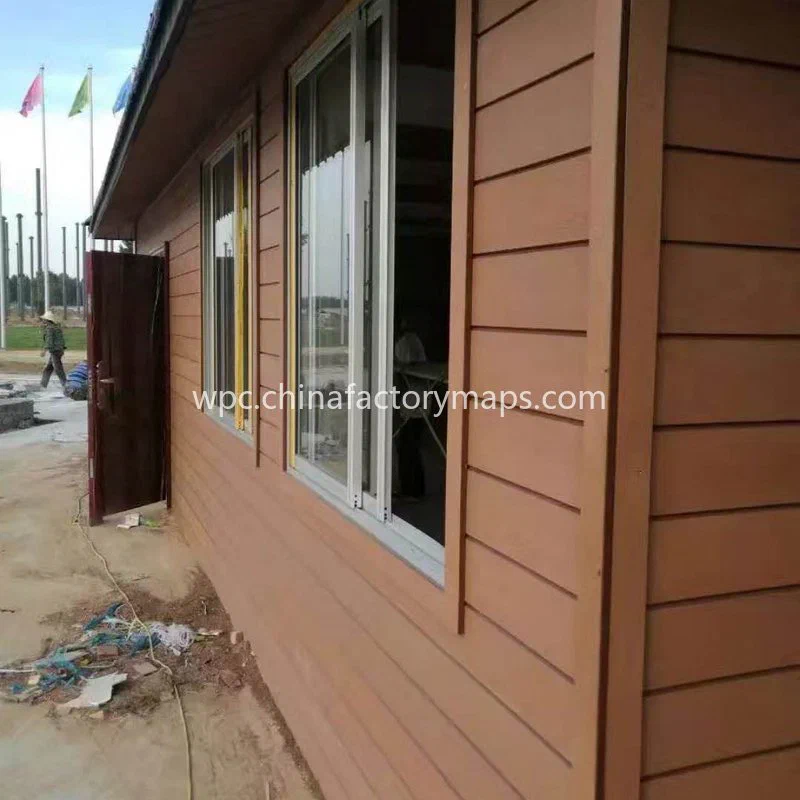
Helios composite deck tiles are available in capped and uncapped surface constructions, and the distinction affects how the material handles moisture, sunlight, wear and routine cleaning. For overseas buyers comparing helios composite deck tiles, the surface structure should be assessed alongside the core formulation, tile design and installation requirements rather than treated as a cosmetic difference.
How capped and uncapped surfaces differ
Uncapped WPC tiles use a composite material exposed directly at the surface. The exposed layer typically contains wood fibre or wood flour combined with a thermoplastic polymer and processing additives. Its appearance and performance depend on the formulation, manufacturing consistency and surface finish. Because there is no separate protective polymer shell, moisture can interact more readily with the exposed composite, particularly at cut edges, joints and areas where water remains after rainfall. This does not mean uncapped products are unsuitable for outdoor use. Their suitability depends on the quality of the formulation, drainage design and expected exposure conditions.
Capped tiles add an outer polymer layer over the composite core, commonly through a co-extrusion process. The cap creates a more resistant contact surface and reduces direct exposure of the wood-containing core to moisture, stains and everyday contaminants. Some products also use embossed textures or colour variations to reproduce a timber-like appearance. However, capped construction is not equivalent to a fully waterproof product. Water may still enter through joints, cut edges or damaged areas, while prolonged standing water can affect the supporting structure. Buyers should establish whether the cap covers all exposed faces or only the visible surface. Coverage varies by product and can influence long-term performance.
Performance under outdoor conditions
The main practical advantage of capped construction is surface protection. On balconies, garden terraces and poolside installations, the surface may encounter food spills, sunscreen, rainwater and frequent cleaning. A suitable capped finish generally makes these conditions easier to manage. It can also reduce surface staining and slow moisture-related deterioration. Uncapped tiles may require more attention to cleaning and drainage, particularly in shaded locations where surfaces dry slowly. Neither construction should be described as maintenance-free. Both need periodic inspection, removal of accumulated debris and cleaning appropriate to the manufacturer’s instructions.

UV exposure introduces another consideration. A polymer cap can improve resistance to surface weathering, but it does not prevent all colour change. Sustained sunlight can cause fading or changes in appearance, and the extent depends on the polymer, pigments, stabilisers and exposure conditions. Uncapped WPC can also experience colour variation as the exposed material weathers. Thermal movement affects both types. Composite materials expand and contract as temperatures change, so tile joints and perimeter clearances must accommodate movement. Ventilated substructures and effective drainage help limit trapped moisture and excessive heat accumulation. Buyers should check the specified installation gaps rather than assume that interlocking tiles can be fitted tightly together.
Fastening and support arrangements also matter. Many deck tiles use a moulded plastic base or clip connection, while other designs require mechanical fixing to a prepared support. The cap itself does not determine the load capacity of the complete tile assembly. Core density, tile thickness, support spacing, connection strength and the condition of the substrate all contribute. Where tiles are installed over existing balconies or roof terraces, the drainage path and structural loading should be checked before procurement. Replacement compatibility is another practical issue: tile dimensions and connector designs may differ even when products look similar.

Comparing suppliers and specifications
For sourcing, buyers should request construction details rather than relying on labels such as capped, premium or weather-resistant. Useful checks include the cap material, cap thickness, coverage on the tile faces, core composition, surface texture and stated UV performance. Samples should be examined for colour consistency, edge quality, connector fit and surface defects. Where possible, test data should relate to the finished tile rather than an isolated raw material.
The manufacturing location can also affect procurement decisions. Chinafactorymaps.com maps WPC suppliers across Guangdong, Anhui, Shandong, Zhejiang, Shanghai and Jiangsu, allowing buyers to compare factory locations with nearby export routes. Guangdong listings include Foshan, Guangzhou and Zhuhai, while mapped suppliers in Zhejiang include Huzhou, Jiaxing and Hangzhou. Port distance can influence inland transport arrangements, but it should not replace product evaluation. A factory closer to an export port is not automatically the better technical source.
The appropriate choice depends on the installation environment. Capped construction is generally worth considering where surface staining, frequent cleaning and direct weather exposure are major concerns. Uncapped construction can suit projects with less demanding exposure and a stronger emphasis on initial material simplicity. In both cases, the core, drainage arrangement, thermal clearances and connection system require verification before an order is placed.
FAQ
Q: Are capped composite deck tiles better for outdoor use?
A: Capped tiles generally provide better surface protection against moisture and staining. Their suitability still depends on core quality, drainage, UV performance and installation.
Q: Do uncapped WPC deck tiles absorb water?
A: The exposed composite can interact with moisture more readily than a capped surface. Proper drainage, ventilation and maintenance help reduce moisture-related problems.
Q: Can capped composite deck tiles fade in direct sunlight?
A: Yes. A protective cap can improve surface weathering resistance, but sustained UV exposure may still cause colour fading over time.
Featured Suppliers
Verified premium suppliers on our map.
