How China's Composite Sector Is Evolving to Meet Global Demand
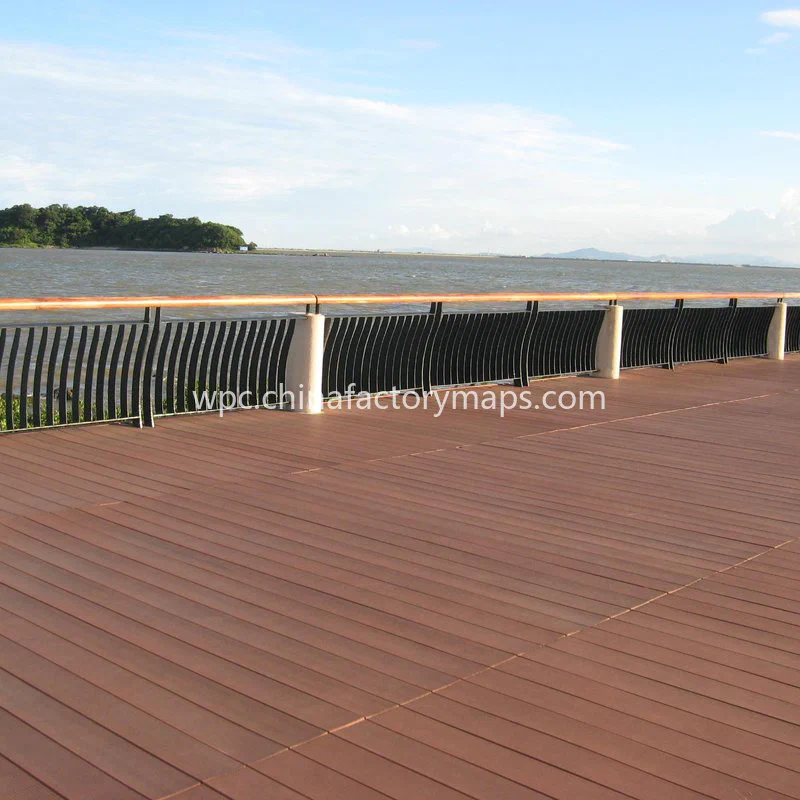
China’s wood-plastic composite (WPC) manufacturing sector is evolving to meet growing global demand for durable and sustainable building materials. The industry’s shifts reflect innovations in materials, production techniques, and export capabilities, offering buyers new opportunities and challenges alike. This article examines the trends shaping China’s WPC sector and what they mean for sourcing decisions today.
Trends in Material Innovation and Applications
Chinese WPC manufacturers are increasingly focusing on material innovations to expand product functionality and appeal. Co-extrusion technology, for instance, has gained prominence, offering enhanced resistance to UV damage, moisture, and scratching. This makes co-extruded decking a preferred choice for outdoor applications like poolside decking and garden decking. Additionally, manufacturers are experimenting with recycled polymers and bio-based additives to cater to eco-conscious buyers. These material advancements are driving demand across sectors that require high performance, such as outdoor flooring and facade cladding.
This shift toward specialized materials also reflects changing buyer expectations. Export markets, particularly in Europe and North America, demand products that meet stringent environmental and safety standards. Many factories are now prioritizing compliance with these requirements, which may influence lead times and pricing. Buyers should evaluate supplier certifications and product testing capabilities as part of their sourcing process.

Geographical Shifts and Export Logistics
Location is becoming a key factor in the competitive dynamics of China’s WPC sector. Supplier clusters in Guangdong, Anhui, and Shandong provinces dominate the industry, each with unique strengths. For instance, Guangdong factories benefit from proximity to major export ports like Shenzhen and Guangzhou, enabling faster shipment to overseas buyers. Meanwhile, Anhui-based manufacturers are strategically positioned to serve both domestic and international markets, leveraging cost advantages in raw material sourcing and production.
Export logistics are also evolving. Ports such as Ningbo-Zhoushan and Qingdao continue to play critical roles in facilitating global trade, while other ports, like Beibu Gulf and Taicang, are emerging as viable options for specific regions. Buyers with tight delivery schedules or specialized shipping needs may need to prioritize suppliers based on their proximity to these ports to minimize transit times and costs.
Customization and OEM Capabilities
Another notable trend is the growing emphasis on customization and OEM manufacturing capabilities. Many Chinese WPC factories are moving beyond standard product lines to offer tailored solutions that meet unique buyer specifications. Options include custom dimensions, colors, and finishes that align with specific project requirements, such as balcony decking or composite railing systems. This flexibility is particularly valuable for distributors and contractors seeking to differentiate their offerings in competitive markets.
OEM partnerships also allow buyers to integrate branding elements directly into production, simplifying downstream marketing and distribution. However, lead times and minimum order quantities (MOQs) for customized products may differ significantly from off-the-shelf options. Buyers should communicate their needs clearly and confirm production timelines before committing to a supplier.
Challenges and Considerations for Buyers
While the sector offers numerous opportunities, challenges remain. For example, not all factories are equally equipped to handle advanced manufacturing techniques or comply with international standards. Due diligence is essential to avoid quality issues or unexpected delays. Buyers should also account for the natural properties of WPC materials, such as thermal expansion and color fading under prolonged UV exposure, when planning installations.
Additionally, as demand increases, some suppliers may face constraints in raw material availability or production capacity. This could impact pricing and lead times, particularly for bulk orders. Buyers sourcing now should prioritize transparent communication with suppliers regarding production schedules and inventory levels to mitigate potential risks.

FAQ
Q: What are composites used for in construction?
A: Composites like WPC are used for outdoor decking, fencing, railing, and cladding due to their durability and resistance to moisture and insects.
Q: Are Chinese WPC products eco-friendly?
A: Many Chinese factories now use recycled and sustainable materials, but buyers should verify environmental certifications to ensure compliance.
Q: How can I ensure the WPC products meet quality standards?
A: Request product samples, review certifications, and consider third-party testing to confirm compliance with required standards.
Related Articles
Featured Suppliers
Verified premium suppliers on our map.