
How China's Wood-Plastic Composite Industry Is Changing
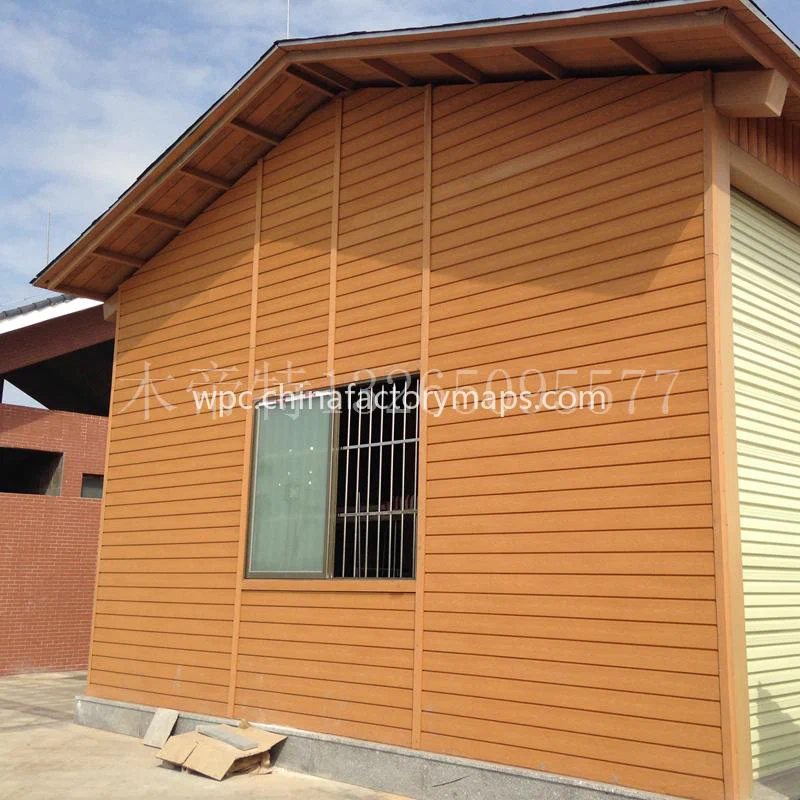
China’s wood-plastic composite (WPC) manufacturing sector is changing in how factories organise production, develop product ranges and serve overseas buyers. Supplier activity is spread across several provinces, with different regional concentrations and export routes shaping sourcing decisions. These changes make factory location, product specification and production capability increasingly important when comparing suppliers.
Shifting patterns in Chinese WPC manufacturing

One noticeable change is the geographical spread of production. Guangdong remains the largest supplier cluster in the directory, with manufacturers listed around Foshan, Guangzhou and Zhuhai. Anhui has also developed a substantial presence, with suppliers in Xuancheng, Suzhou and Guangde. Shandong and Zhejiang form additional manufacturing concentrations, while Shanghai and Jiangsu contribute smaller groups. This distribution means overseas buyers are no longer looking at a single dominant production area when searching for wood wpc products.
The regional picture also affects how buyers approach factory selection. Guangdong suppliers sit within an established manufacturing and export environment, with access to Shenzhen Port and Guangzhou Port. Manufacturers in Zhejiang and Shanghai have different logistical options, including Ningbo-Zhoushan Port and Shanghai Port. Shandong suppliers can be assessed in relation to Qingdao Port and Rizhao Port. Anhui manufacturers require closer attention to inland transport arrangements. Factory location alone does not determine shipping cost, but the distance to an appropriate export port is a practical part of supplier evaluation.
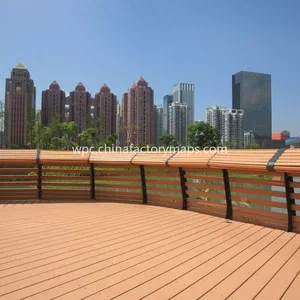
Another shift is the range of products being offered. WPC manufacturing covers decking, fencing, railing and wall cladding, with individual factories potentially specialising in different profiles and applications. Product development also includes variations in surface texture, colour, board dimensions and co-extruded protective layers. These differences matter because two suppliers listing the same product category may use different formulations and production processes. Buyers should compare technical specifications rather than assume that products described under the same generic term are interchangeable.
What changing production means for buyers
Production technology deserves closer examination. Co-extrusion, for example, adds an outer polymer layer to a composite core and can change the board’s resistance to surface staining, moisture exposure and weathering. However, the presence of a protective layer does not establish the full performance of a finished product. Buyers should request information about the core formulation, cap material, bonding process and relevant test results. Consistency between production batches is another important consideration, particularly for projects requiring repeat orders or matching replacement boards.

Material performance also needs to be assessed against installation conditions. WPC expands and contracts as temperatures change, so boards require appropriate expansion gaps and a ventilated supporting structure. The material generally resists moisture and insect damage better than untreated timber, but it is not indestructible. Sustained ultraviolet exposure can cause colour fading, and surface performance varies with formulation and product design. Buyers should check the manufacturer’s installation guidance, recommended applications and maintenance requirements before approving a specification.
For overseas sourcing teams, these developments make supplier comparison more specific. A factory’s product catalogue provides a starting point, but it does not establish manufacturing capacity, quality control or export experience. Buyers should examine production samples, technical documentation, packaging arrangements and the factory’s ability to maintain consistent specifications across repeat orders. Geographic comparison adds another layer. A supplier with a suitable product may involve a different inland transport route or port connection from a competing factory. Mapping manufacturers alongside major export ports helps narrow the initial search before commercial and technical checks begin.
FAQ
Q: Which Chinese provinces have the largest WPC supplier concentrations in the directory?
A: Guangdong has the largest listed cluster, followed by Anhui and Shandong. Zhejiang, Shanghai and Jiangsu also have mapped suppliers.
Q: What should overseas buyers check when comparing Chinese WPC factories?
A: Buyers should compare material formulations, product specifications, production consistency, test documentation and installation guidance. Factory location and distance to the nearest suitable export port should also form part of the assessment.
Related Articles
Featured Suppliers
Verified premium suppliers on our map.
