How Chinese Wood-Composite Decking Materials Are Advancing
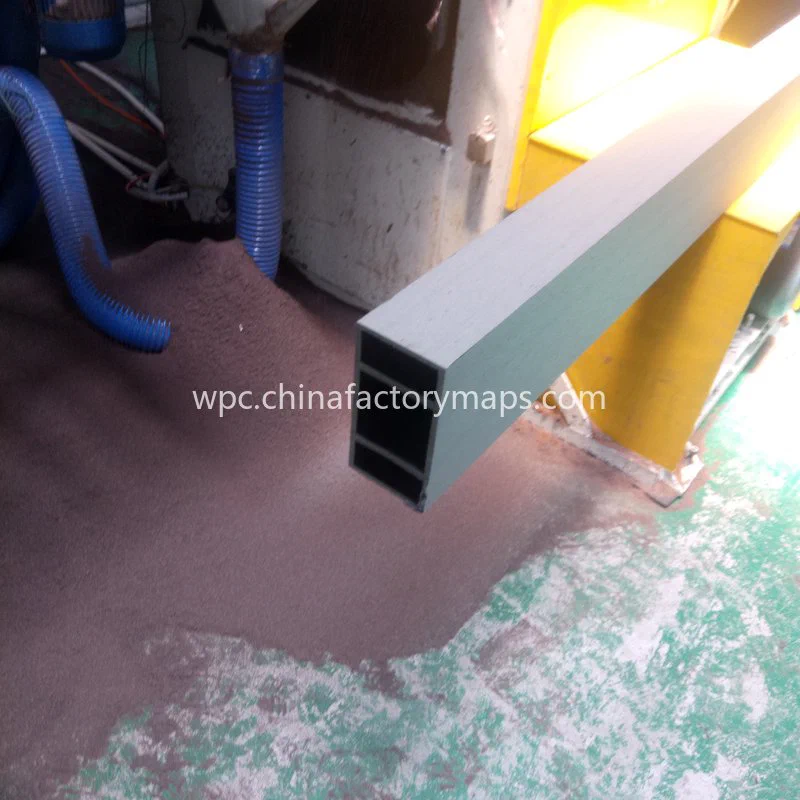
Chinese wood-composite decking manufacturers are advancing their product designs and production techniques to meet evolving global demand. This article examines the key shifts in the sector, including material innovations, export readiness, and the implications for sourcing strategies.
Material Innovations Driving Change

Recent developments in wood composite decking material focus on performance enhancements, particularly in durability and weather resistance. Co-extrusion technology, which combines a protective polymer shell with the core material, has become more widely adopted. This method improves resistance to moisture, UV exposure, and surface wear, making it suitable for diverse climates. Additionally, manufacturers are exploring recycled polymers and sustainable wood fibers to meet eco-friendly standards, appealing to markets that prioritize environmental sustainability.
Regional Manufacturing Trends

Geographical clustering continues to influence the Chinese WPC industry. Provinces such as Guangdong and Zhejiang remain major hubs due to their proximity to export ports like Shenzhen Port and Ningbo-Zhoushan Port. These locations streamline logistics for overseas buyers, minimizing transit times. Meanwhile, emerging clusters in Anhui and Shandong indicate growing production capacity in inland regions. While these areas may entail slightly longer transport routes to ports like Qingdao or Shanghai, they often offer competitive pricing and access to raw materials.
Customization and OEM Opportunities

Many Chinese WPC factories now emphasize customization and OEM manufacturing services. Buyers looking for unique decking profiles, colors, or surface finishes can engage directly with suppliers to develop tailored products. This flexibility extends to packaging and branding, enabling distributors to differentiate themselves in their home markets. However, lead times for customized orders can vary, depending on the factory’s tooling capacity and the complexity of the design.
Sourcing Considerations for Buyers
For buyers, understanding the technical specifications of WPC products is increasingly critical. Factors like thermal expansion, gapping requirements, and substructure ventilation should align with local installation practices. Additionally, buyers should evaluate a supplier’s proximity to major export ports, which directly impacts shipping costs and delivery timelines. Given the broad range of options, sourcing platforms like this directory help streamline the selection process by mapping suppliers geographically and listing their capabilities.
FAQ
Q: What is co-extrusion technology in WPC decking?
A: Co-extrusion involves adding a polymer shell to the core material, enhancing resistance to UV, moisture, and surface damage.
Q: Are WPC materials completely maintenance-free?
A: No, while WPC resists moisture and insects, periodic cleaning and inspection are recommended to ensure longevity.
Q: Which Chinese provinces are key for WPC manufacturing?
A: Guangdong, Zhejiang, Anhui, and Shandong are prominent regions, each with access to major export ports.
Related Articles
Featured Suppliers
Verified premium suppliers on our map.