How Chinese Wood-Plastic Fence Panel Production Is Changing
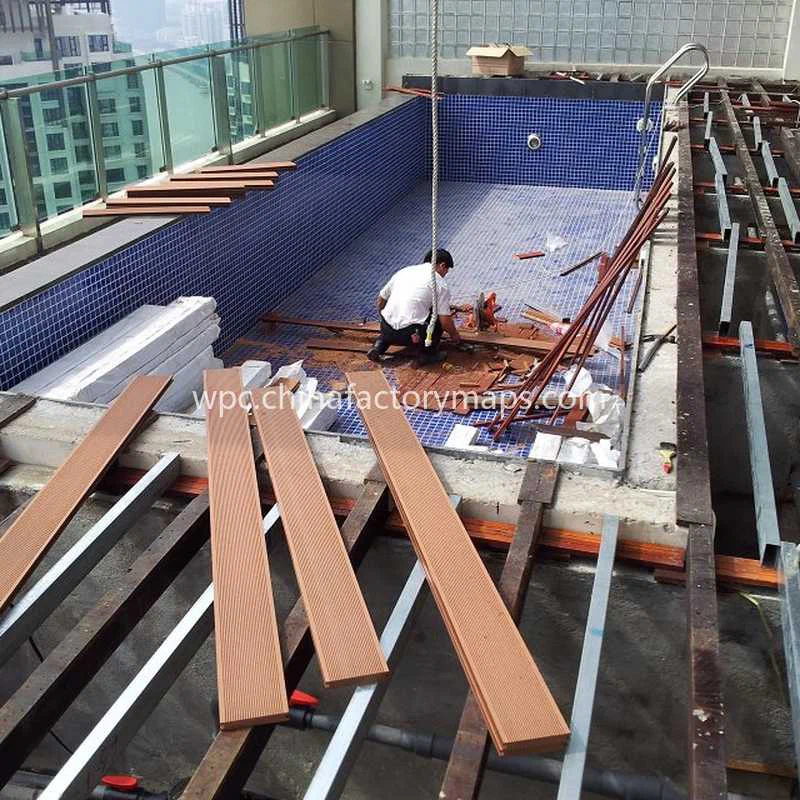
Chinese manufacturers of wood-plastic composite (WPC) fence panels are adapting to shifting trends in material design, production techniques, and export demand. These changes reflect both evolving buyer preferences and the competitive pressures within the global WPC market. Understanding these developments is essential for buyers seeking to source cost-effective, durable, and customizable products.
One notable shift is the increasing emphasis on co-extrusion technology in the production of WPC panels. This method enhances surface durability and UV resistance, addressing concerns about fading and wear in outdoor applications. Co-extrusion allows for more realistic woodgrain finishes, which align with the aesthetic demands of international buyers. Factories in regions like Guangdong and Zhejiang are expanding their capabilities in this area, leveraging proximity to major export ports such as Shenzhen and Ningbo-Zhoushan to streamline global distribution. As a result, buyers can access a growing portfolio of high-performance wood plastic panel for fence applications with improved weather resistance.
Customization is another area where Chinese WPC manufacturers are making strides. Many factories now offer tailored solutions in terms of size, color, and surface texture, catering to diverse market preferences. This trend is especially evident in clusters around Shanghai and Anhui, where suppliers are targeting mid- to high-end markets. Buyers interested in bulk orders can negotiate OEM manufacturing agreements, which have become more accessible as production lines become more flexible. Meanwhile, logistical advantages in cities like Qingdao and Guangzhou help minimize lead times, making it easier for overseas clients to meet project deadlines.

Concerns about sustainability are also influencing production practices. Many Chinese suppliers are using recycled plastics and responsibly sourced wood fibers, aligning with global environmental standards. This eco-friendly approach is particularly appealing to buyers in regions where green building certifications are prioritized. Factories in Shandong and Jiangsu are among those increasingly marketing their products as sustainable alternatives to traditional wooden fencing. For buyers, this means a growing selection of WPC fence panels that combine durability with reduced environmental impact, meeting both functional and regulatory requirements.

FAQ
Q: What is co-extrusion technology in WPC panel production?
A: Co-extrusion involves applying a protective outer layer during manufacturing, improving UV resistance, surface durability, and aesthetic appeal.
Q: Are Chinese WPC fence panels eco-friendly?
A: Many manufacturers use recycled plastics and sustainable wood fibers, making these panels an environmentally conscious choice.
Related Articles
Featured Suppliers
Verified premium suppliers on our map.