How Chinese WPC Aluminium Manufacturing is Evolving
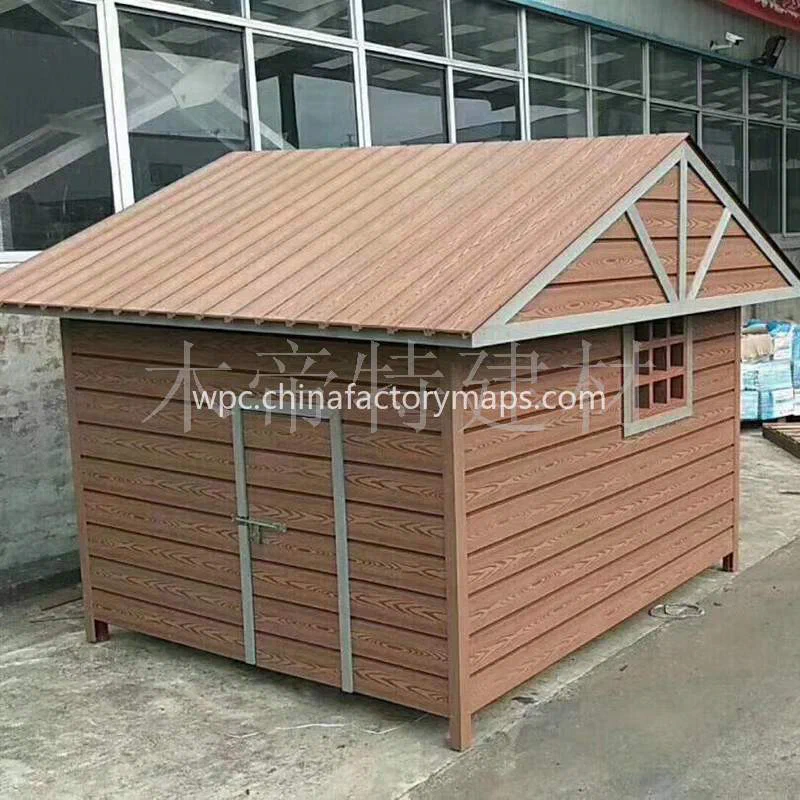
Chinese manufacturers of WPC aluminium products are adapting to evolving market demands, leveraging advancements in material science and production techniques. This article discusses key changes in the sector, from product innovation to regional manufacturing differences, and their implications for overseas buyers sourcing these materials.
Integration of Aluminium in WPC Applications
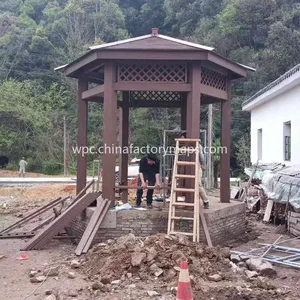
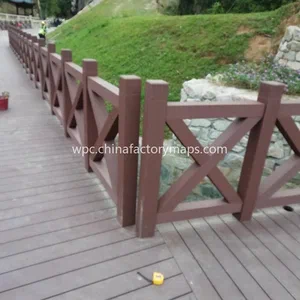
The integration of aluminium components into wood-plastic composite products is increasingly common, particularly in applications requiring structural support or weather resistance. Aluminium’s lightweight yet sturdy properties make it an ideal complement to WPC in products like railings, pergolas, and facade cladding. Manufacturers in regions like Guangdong and Jiangsu are experimenting with new co-extrusion techniques to bond WPC and aluminium seamlessly, enabling designs that combine the aesthetic appeal of composite materials with the durability of metal. Buyers focusing on long-term projects should assess how these hybrid products align with their needs.
Regional Manufacturing Trends
Factory clusters in Anhui and Shandong are focusing on cost-effective production, often targeting bulk orders of standardised WPC-aluminium profiles. Meanwhile, suppliers in Guangdong and Zhejiang are prioritising high-end products with customisation options, such as anodised aluminium finishes and UV-resistant coatings. Proximity to major export ports like Guangzhou and Ningbo-Zhoushan also plays a role in regional specialisation, with southern provinces typically offering faster shipping to international markets. Buyers should consider these regional differences when evaluating suppliers for specific project requirements.
Focus on Durability and Sustainability
Environmental concerns and stricter regulations in export markets are driving the development of more sustainable WPC aluminium solutions. Many suppliers now use recycled aluminium and FSC-certified wood fibers to enhance the eco-profile of their products. Additionally, innovations in anti-corrosion treatments and fire-resistant coatings are addressing durability challenges, especially for applications in extreme climates. Buyers sourcing for outdoor installations or public infrastructure projects should look for these certifications and performance features in supplier offerings.
Advances in Co-Extrusion Technology

Co-extrusion technology is shaping the next generation of WPC aluminium products by allowing multi-layered designs. This method enhances the bonding between composite layers and aluminium, creating products with improved structural integrity and resistance to delamination. Suppliers in Shanghai and Zhejiang are at the forefront of this trend, leveraging advanced manufacturing equipment to produce thin, lightweight panels for facade cladding and other architectural uses. These innovations could reduce installation time and costs, making them attractive for large-scale projects.
Challenges in Sourcing WPC Aluminium
Despite these advancements, challenges remain for buyers. The expansion and contraction of WPC materials under temperature changes necessitate careful installation planning, particularly when combined with aluminium components. Additionally, colour matching between WPC and aluminium can be inconsistent across suppliers, requiring thorough vetting of samples before finalising orders. Buyers should also consider the longevity of supplier relationships, as smaller factories may lack the capacity to scale production for larger orders or repeat projects.

Implications for Buyers
As the WPC aluminium segment evolves, buyers have more options but also face new considerations. The shift towards sustainable materials and advanced production methods offers opportunities for long-term value, but evaluating supplier capabilities is more critical than ever. Regional factors, from proximity to export ports to manufacturing specialisations, can significantly influence lead times and pricing. Buyers should utilise tools like this directory to map supplier locations and identify clusters best aligned with their logistical and product needs.

FAQ
Q: What are the main uses of WPC aluminium products? A: WPC aluminium is commonly used in outdoor railings, cladding, pergolas, and structural supports where combined durability and aesthetics are required.
Q: Which Chinese provinces specialise in WPC aluminium manufacturing? A: Guangdong and Zhejiang focus on high-end, customisable products, while Anhui and Shandong offer cost-effective options for bulk orders.
Q: How can buyers ensure quality when sourcing WPC aluminium? A: Request samples for colour and material consistency, verify certifications, and assess a supplier’s capacity to handle your order scale.
Related Articles
Featured Suppliers
Verified premium suppliers on our map.