How Composite Deck Boards Are Changing in Chinese Production
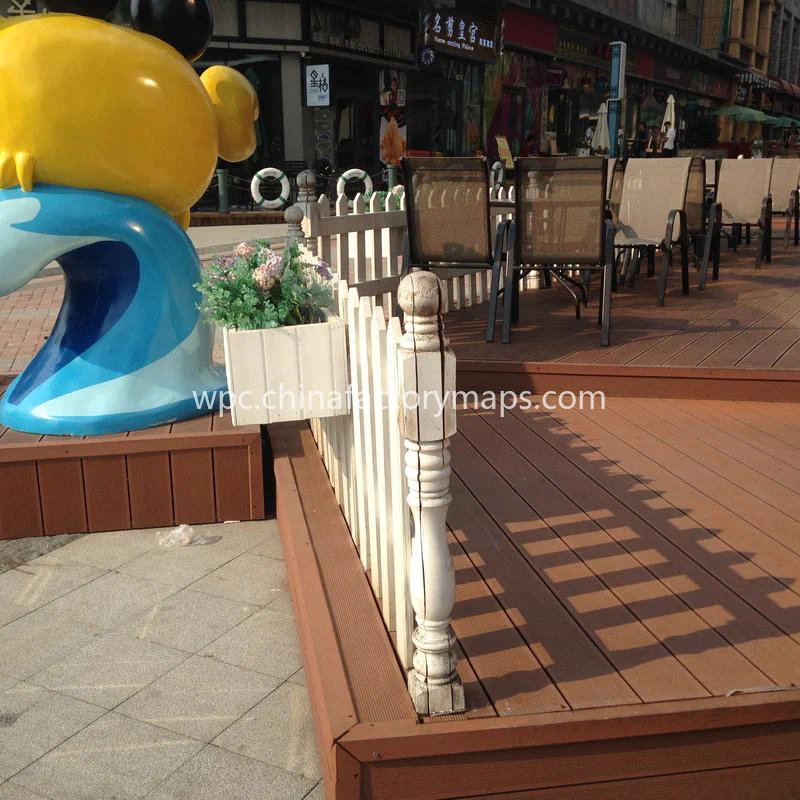
Chinese manufacturing of composite deck boards is undergoing notable shifts, aligning with both global market demands and advancements in production capabilities. Key trends include increased emphasis on co-extrusion technology, material innovation, and regional manufacturing clusters that optimize logistics for export. Buyers sourcing from China are finding new options and considerations that can impact both cost and product performance.
Advances in Co-Extrusion Technology
Co-extrusion has become a dominant trend in Chinese composite deck board production. This process involves coating a WPC core with a protective polymer shell, enhancing the board’s resistance to moisture, UV radiation, and surface wear. Manufacturers in regions like Guangdong and Zhejiang are increasingly adopting this method, offering products that are more durable and cosmetically uniform. Co-extruded boards also allow for multi-tone finishes, catering to diverse aesthetic preferences in overseas markets.
Material Innovations and Eco-Friendly Initiatives
The question “what are composite deck boards made of” is gaining renewed interest as sustainability becomes a focus. Traditionally, WPC products combined recycled wood fibers and plastic resin, but manufacturers are exploring higher proportions of recycled plastics and alternative bio-based fillers to meet environmental standards. This shift aligns with growing international demand for eco-friendly building materials, particularly in Europe and North America. Anhui-based suppliers, for instance, have started using bamboo fibers as a renewable alternative to wood, reducing the carbon footprint of their products.

Regional Production Hubs and Export Logistics

China’s WPC manufacturing is concentrated in clusters such as Guangdong, Anhui, and Shandong, where proximity to major export ports like Shenzhen and Qingdao offers logistical advantages. Guangdong remains a major hub, housing manufacturers with access to Guangzhou Port, one of China’s busiest export gateways. Similarly, Anhui’s factories benefit from connections to Shanghai Port, facilitating efficient shipping to global markets. Buyers should consider these regional dynamics when evaluating suppliers, as location can significantly impact lead times and freight costs.

Balancing Aesthetics and Performance
While functionality remains a priority, Chinese manufacturers are also catering to aesthetic preferences. Advanced pigment technologies and surface texturing options are enabling more natural wood-like finishes. However, buyers should be aware that even the highest-quality composite boards may experience some color fade over time, particularly in high-UV regions. Proper gapping during installation remains critical to account for thermal expansion and contraction, a characteristic of WPC materials.
Customization and OEM Opportunities
Many Chinese suppliers now offer OEM manufacturing services, allowing overseas buyers to customize products under their own brands. Customization can include specific dimensions, colors, or even proprietary material blends. Zhejiang and Jiangsu-based manufacturers, for example, are known for their flexibility in adapting production lines to meet unique specifications. This trend benefits businesses seeking differentiation in highly competitive markets.
Cost Considerations
Cost competitiveness remains a key driver for sourcing composite deck boards from China. Despite rising material and labor costs, Chinese suppliers continue to offer pricing advantages compared to other countries. Buyers should, however, evaluate the total landed cost, factoring in shipping, tariffs, and potential quality-control measures. Shandong-based factories, with their proximity to ports like Qingdao and Lianyungang, often provide a balance of affordability and reliability.

Future Outlook
The Chinese composite decking industry is set to expand its role in global markets by focusing on quality enhancements and eco-friendly production. As international regulations on recyclability and emissions tighten, manufacturers are likely to invest further in sustainable materials and processes. Buyers sourcing now should look for suppliers that demonstrate a commitment to innovation and compliance with emerging standards.
FAQ
Q: What materials are used in Chinese composite deck boards?
A: Most are made from recycled wood fibers and plastic resins, with some manufacturers incorporating bamboo fibers or bio-based fillers.
Q: How does co-extrusion improve composite deck boards?
A: Co-extrusion adds a protective outer layer, making the boards more resistant to moisture, UV rays, and wear.
Q: Are Chinese composite deck boards suitable for high-UV environments?
A: They are UV-resistant but may fade slightly over time. Proper installation and maintenance can minimize this effect.
Related Articles
Featured Suppliers
Verified premium suppliers on our map.