
How Durable Is Composite Decking Compared to Traditional Materials?
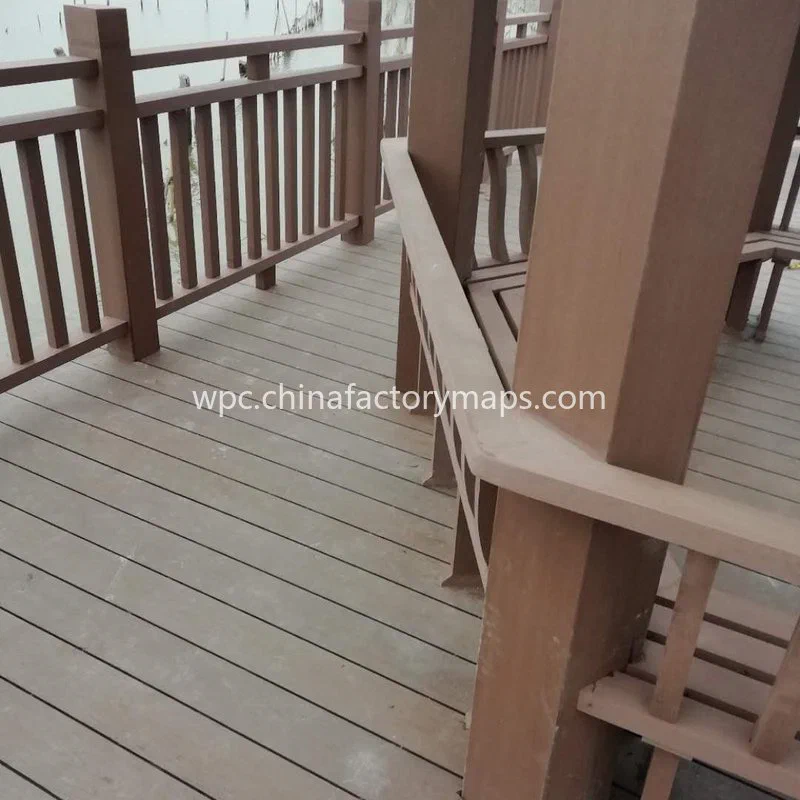
Composite decking durability significantly exceeds that of traditional wood materials. While wood can suffer from rot, splintering, and insect damage, composite materials are engineered to resist these issues, providing a longer lifespan with less maintenance.
Composite decking is made from a blend of wood fibers and plastic, which gives it several advantages over wood. It is resistant to moisture, reducing the risk of mold and mildew growth. Additionally, composite materials are less likely to warp or crack due to temperature fluctuations, though they do expand and contract, necessitating proper installation techniques such as gapping and a ventilated substructure.
Environmental factors, such as UV exposure, can affect composite decking, leading to potential fading over time. However, many manufacturers offer capped composite options that feature a protective layer designed to enhance color retention and resistance against stains and scratches. This enhancement can extend the visual appeal of composite decking compared to traditional wood, which requires regular staining and sealing to maintain its appearance.

In terms of safety, composite decking often includes features such as anti-slip surfaces, making it a safer choice for poolsides and outdoor areas. Traditional wood can become slick when wet, posing a risk of slipping. The durability of composite decking also means it does not require the same level of upkeep as wood, which can save time and labor costs for property owners.

From an environmental perspective, composite decking is generally considered eco-friendly as it often contains recycled materials. This contrasts with traditional wood, which can contribute to deforestation if not sourced sustainably. Buyers looking for sustainable options may find composite materials an attractive choice, aligning with green building practices.
FAQ
Q: How long does composite decking last compared to wood?
A: Composite decking typically lasts 25 to 30 years, while traditional wood may need replacement after 10 to 15 years, depending on maintenance.
Q: Can composite decking be painted or stained?
A: Painting or staining composite decking is generally not recommended, as it can void warranties and may not adhere well to the surface.
Q: Is composite decking more expensive than wood?
A: Initial costs for composite decking can be higher than wood, but the long-term savings on maintenance and replacement often make it more economical over time.
Related Articles


Featured Suppliers
Verified premium suppliers on our map.
