How Export Logistics Impact Color Availability in Composite Decking
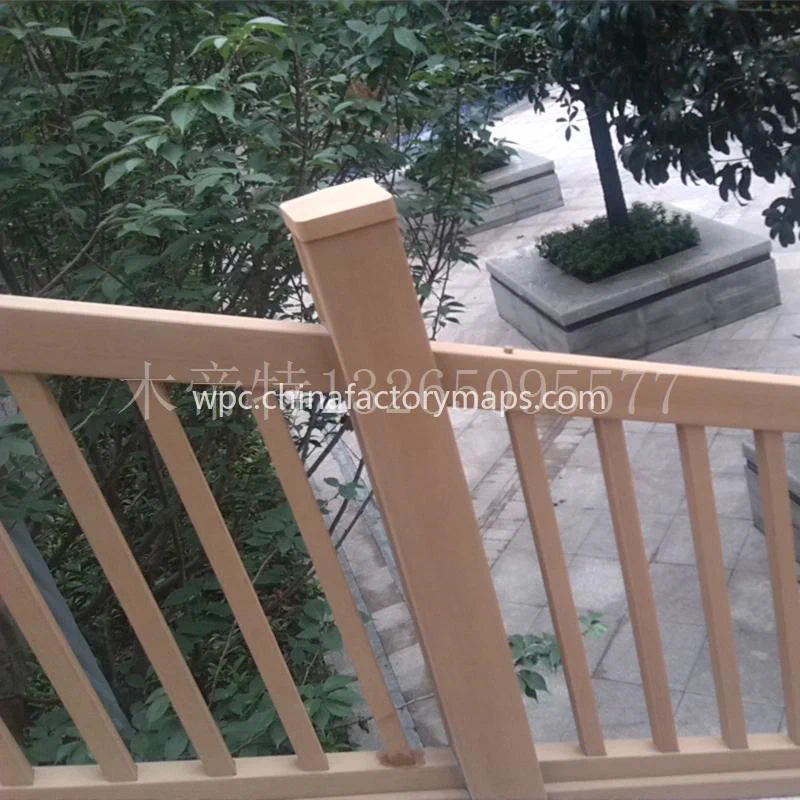
Export logistics play an important role in determining the variety of colors available in composite decking. This article explores how the proximity of wood-plastic composite (WPC) factories to major export ports can impact the shipping process, the condition of product batches, and ultimately the color options accessible to overseas buyers. Understanding these logistics helps buyers make informed decisions when sourcing composite decking from China.
Factory Locations and Port Proximity
China’s WPC manufacturing hubs are concentrated in regions like Guangdong, Anhui, Shandong, Zhejiang, Shanghai, and Jiangsu. Each of these clusters has varying distances to major export ports such as Shanghai Port, Ningbo-Zhoushan Port, and Shenzhen Port. Proximity to ports matters because composite decking is a bulky, heavy product that requires careful packaging and handling during transportation. Factories located closer to export ports can often ship product more quickly and with reduced risk of damage, ensuring that the decking arrives in its intended condition, including its original color integrity.
Why Weight and Volume Matter

Composite decking typically ships in large batches due to the economies of scale in container freight. This material is dense and heavy, which increases logistical challenges. Longer transport routes from inland factories to coastal ports can increase the risk of physical damage to the boards, including scratches or abrasions that might affect their appearance. Additionally, delays in transit may expose decking boards to prolonged environmental conditions, potentially affecting their color consistency. Buyers sourcing from factories near ports like Shanghai or Guangzhou may experience fewer such issues.
Container Fill and Color Segmentation
Shipping containers have limited space, and WPC decking often needs to be stacked and packed strategically to avoid damage. Color segmentation—where decking boards of specific colors are grouped together—can be compromised if a supplier has to prioritize container fill optimization over color-specific handling. Factories with streamlined access to ports may have more flexibility to maintain color segmentation, ensuring buyers receive decking boards in uniform shades. For instance, factories near Shenzhen Port or Ningbo-Zhoushan Port might better manage this aspect due to shorter transit times.
Regional Differences in Available Colors

The question “what colors does composite decking come in” often ties back to regional production practices. Factories in Guangdong, especially near Guangzhou Port, tend to offer a wider palette due to their established manufacturing capabilities and proximity to export facilities. In contrast, factories in Anhui, located farther inland, might have more logistical constraints that limit their ability to stock diverse color options. Buyers seeking specific shades should consider not only the factory’s catalog but also its distance from efficient port facilities.
Quality Control During Transit
Color consistency in composite decking also hinges on how well products are protected during transit. Extended journeys to ports such as Qingdao or Tianjin could expose decking boards to fluctuating temperatures and humidity, potentially affecting their appearance. Factories closer to ports can often implement stronger quality control measures by reducing transit times. This is particularly critical for co-extrusion decking, which relies on a durable outer layer to preserve its color and finish.
Port Choice and Export Costs
Export costs vary depending on the port used, and these costs can indirectly influence color availability. Ports with higher shipping fees may lead inland factories to cut costs in other areas, such as inventory diversity. For example, shipping through Shanghai Port might offer cost advantages for factories in nearby Zhejiang or Jiangsu, allowing them to maintain a broader range of colors. Conversely, factories farther from ports like Beibu Gulf Port or Yingkou Port may face higher costs that limit their ability to produce custom shades.

Buyer Considerations
Buyers should factor port proximity into their supplier choice, especially when sourcing composite decking in specific colors. Logistical risks such as damage, color inconsistency, or delays are minimized when factories are located near major ports. Additionally, buyers placing bulk orders or requesting custom colors should communicate clearly with suppliers to confirm how transit conditions might affect their shipment. Ports like Shanghai and Shenzhen are often preferred for their efficiency and connectivity, making them strategic choices for color-sensitive shipments.
FAQ
Q: What colors does composite decking come in?
A: Composite decking is available in various shades, including grays, browns, blacks, and wood tones. Specific color options depend on the manufacturer.
Q: How does port proximity affect composite decking shipments?
A: Shorter distances to ports reduce transit risks like damage or environmental exposure, which helps preserve color and product quality.
Q: Which Chinese regions offer the most export-friendly locations for WPC decking?
A: Guangdong, Zhejiang, and Shanghai have strong export connectivity due to their proximity to major ports like Shenzhen and Shanghai.
Related Articles

Featured Suppliers
Verified premium suppliers on our map.