
How Joist Spacing Requirements Are Shaping Composite Decking Production
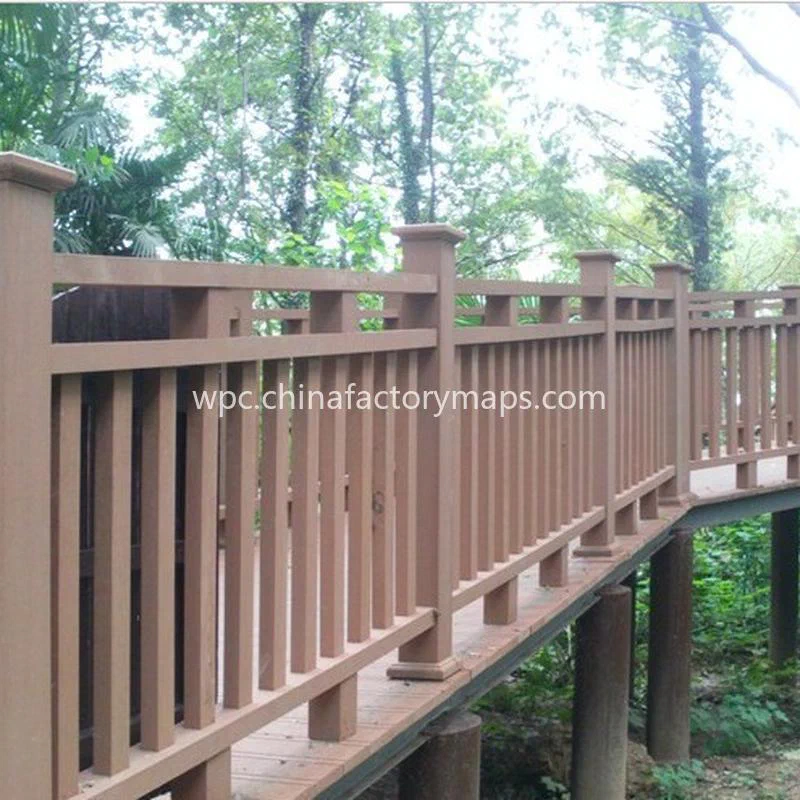
Joist spacing is becoming a more important consideration in Chinese WPC decking production as manufacturers respond to installation requirements in overseas markets. Board profiles, internal structure and dimensional specifications increasingly need to work with the support systems used by contractors. For overseas buyers, this shift affects product selection, technical documentation and supplier evaluation.
Why joist spacing is influencing board design
Composite decking does not behave exactly like natural timber. Its response to temperature, loading and long-term exposure depends on material formulation, profile geometry and installation conditions. Joist spacing therefore has a direct relationship with board performance. If the support distance exceeds the manufacturer’s specified limit, boards may flex excessively or develop problems around fixing points. Closer support can improve stiffness, but it also changes the quantity of substructure material required and the overall installation cost.
Chinese manufacturers are paying closer attention to how their products perform within these installation parameters. Hollow and solid profiles serve different structural and commercial requirements, while wall thickness, rib arrangement and board width influence the support distance a product can accommodate. This makes composite decking joists spacing more than a specification listed in a catalogue. It is increasingly part of the product engineering discussion between factories, distributors and project buyers. Suppliers that can explain the relationship between profile design and recommended joist intervals provide more useful information during technical evaluation.

Manufacturing adjustments and regional sourcing considerations

The shift is also changing how buyers assess manufacturing capabilities. A factory producing several board profiles may need different technical specifications for each product rather than applying one general installation recommendation across its range. Export-oriented suppliers face additional pressure to provide clear installation instructions, including support spacing, expansion gaps, fastening methods and substructure ventilation. These details matter because WPC expands and contracts with temperature. Adequate gaps and airflow beneath the deck help accommodate movement and reduce moisture-related problems. Surface colour can also fade under sustained ultraviolet exposure, so product claims should be assessed against actual material specifications.
China’s mapped supplier clusters offer different starting points for this evaluation. Guangdong has the largest concentration in the directory, with suppliers around Foshan, Guangzhou and Zhuhai. Anhui, particularly the Xuancheng, Suzhou and Guangde areas, forms another identifiable cluster. Shandong and Zhejiang also have established representation, including suppliers around Linyi, Qingdao, Huzhou and Jiaxing. These locations allow buyers to compare manufacturers geographically rather than treating Chinese WPC production as a single sourcing market. Factory location alone does not establish technical capability, but it can help narrow supplier searches before requesting product drawings and installation specifications.

What buyers should verify before placing orders
A useful sourcing comparison starts with the actual decking profile, not a general statement about maximum joist span. Buyers should request the manufacturer’s recommended support spacing for the intended board, together with load-related test information where available. It is also important to establish whether the stated interval applies to residential pedestrian decks, heavier commercial applications or a particular installation configuration. Edge boards, stair treads and picture-frame layouts may require additional support.
Port access adds another consideration. Suppliers in Guangdong can be assessed against Shenzhen Port and Guangzhou Port, while Zhejiang factories may be relevant to Ningbo-Zhoushan Port. Shandong suppliers can be compared by proximity to Qingdao Port, and Shanghai-area manufacturers by access to Shanghai Port or Taicang Port. These routes do not determine product quality, but they influence freight planning and supplier comparisons. Buyers sourcing now should treat installation specifications and export logistics as separate evaluation criteria, requesting documented answers on both before finalising a factory shortlist.
FAQ
Q: Why does joist spacing matter for WPC decking?
A: Joist spacing determines how far decking boards span between supports. Excessive spacing can increase flexing and affect long-term performance.
Q: Do all composite decking boards use the same joist spacing?
A: No. Recommended intervals depend on board construction, dimensions, loading requirements and installation configuration. Buyers should follow the specific manufacturer’s technical instructions.
Q: What should overseas buyers request from Chinese WPC factories?
A: Request profile drawings, recommended joist spacing, expansion-gap requirements, fastening instructions and relevant product test information before placing an order.
Related Articles
Featured Suppliers
Verified premium suppliers on our map.
