How Light Grey Composite Decking Reflects Changing Market Demands
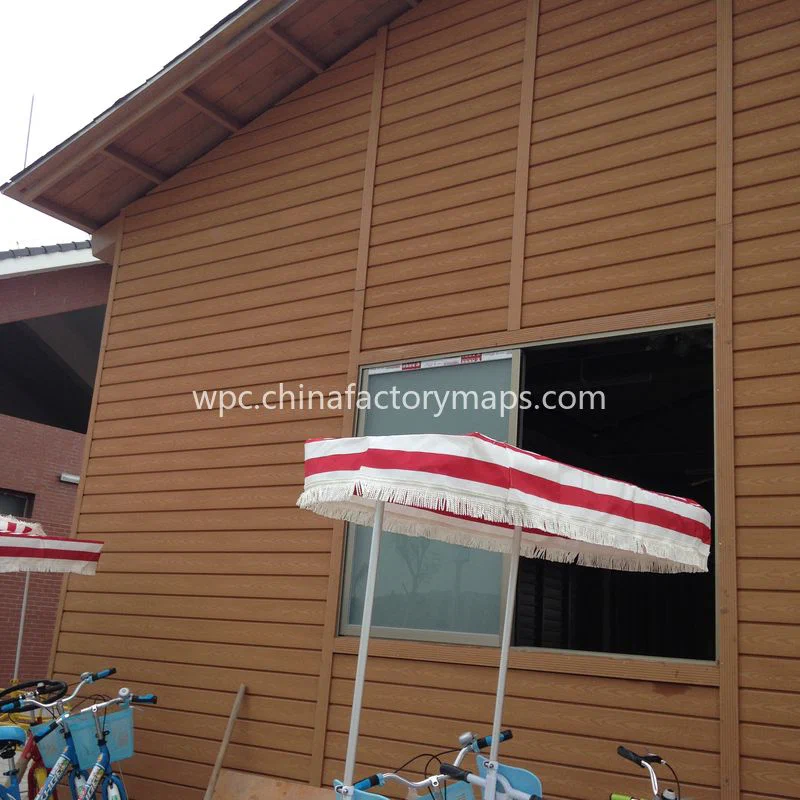
The growing popularity of light grey composite decking highlights evolving preferences in the wood-plastic composite (WPC) market. This shift, observed across Chinese manufacturing hubs, reflects changing buyer priorities, particularly for outdoor applications in modern architectural styles. Suppliers in key provinces such as Guangdong, Zhejiang, and Anhui are expanding their product ranges to meet this demand.
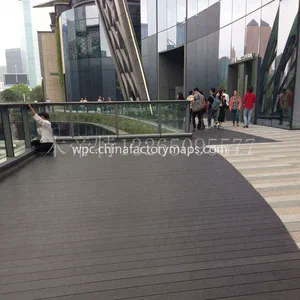
Light grey tones have gained traction for their compatibility with contemporary design trends. Architects and builders increasingly favor neutral palettes that complement minimalistic aesthetics and urban environments. Unlike darker hues, light grey decking offers versatility when paired with diverse materials like concrete, glass, and metal. This trend places additional pressure on manufacturers to refine color stability under UV exposure, as fading remains a concern for lighter shades. Buyers sourcing from mapped regions such as Foshan or Xuancheng will find suppliers addressing this challenge through co-extrusion technologies, which enhance surface durability and fade resistance.

Regional capacity also plays a role in meeting this demand. Provinces such as Shandong and Jiangsu, although housing fewer suppliers compared to Guangdong, have factories well-positioned near export ports like Qingdao and Lianyungang. This proximity allows manufacturers to ship bulk orders efficiently, a vital advantage for overseas buyers targeting large-scale projects. As demand for light grey decking grows, suppliers in these regions are balancing production efficiency with customization options, including varied textures and anti-slip finishes.
Another factor driving the rise of light grey composite decking is its adaptability to diverse climates. WPC products are valued for their resistance to moisture and insects, but color choice can also influence heat absorption and surface comfort in hot regions. Light grey options generally stay cooler under direct sunlight compared to darker alternatives, making them popular in outdoor spaces like poolside decks or garden pathways. This characteristic is particularly relevant for buyers sourcing from coastal provinces like Zhejiang, where manufacturers often cater to projects in warmer zones.
For buyers considering light grey composite decking, sourcing strategies must account for material specifics and regional differences. While co-extrusion technologies improve performance, installation practices such as proper gapping and ventilated substructures are crucial for long-term durability. Buyers should also evaluate logistical factors, including proximity to export hubs like Ningbo-Zhoushan or Guangzhou, which can significantly impact shipping timelines and costs. With careful planning, procurement from Chinese WPC factories can align with both aesthetic and practical requirements for modern construction projects.

FAQ
Q: Why is light grey composite decking becoming popular? A: Light grey complements modern architectural styles and stays cooler in sunlight, making it practical for outdoor applications.
Q: Which regions in China produce light grey composite decking? A: Provinces like Guangdong, Zhejiang, and Anhui, as well as Shandong and Jiangsu, are key manufacturing hubs.
Q: What concerns should buyers address when sourcing light grey decking? A: Buyers should evaluate UV stability, anti-slip properties, and shipping logistics from nearby export ports.
Related Articles
Featured Suppliers
Verified premium suppliers on our map.