
How Much Does Composite Wood Decking Cost?
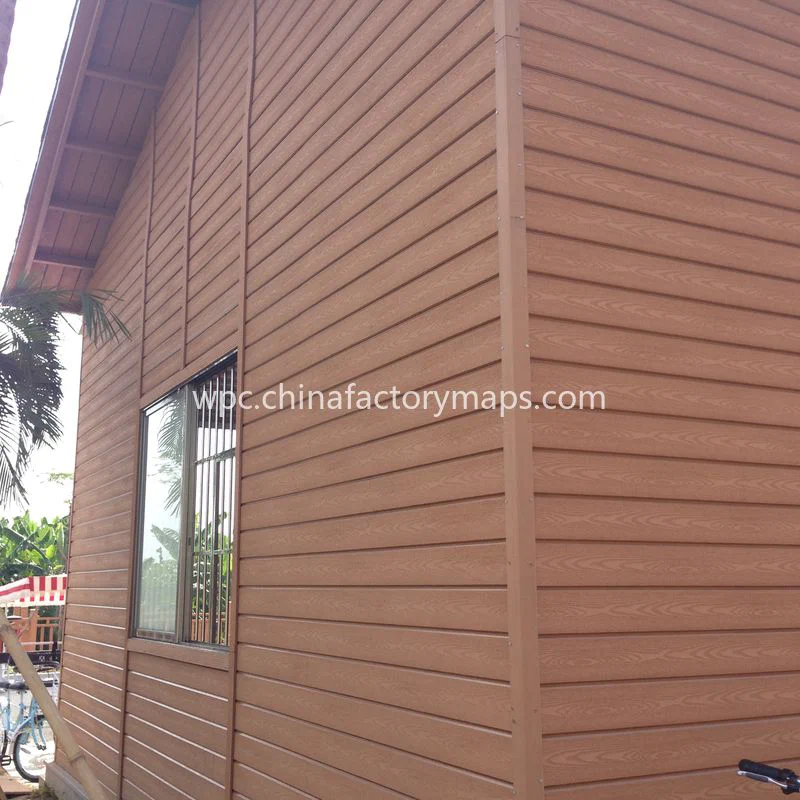
Composite wood decking typically costs more upfront than basic timber decking, but the material price is only one part of the total project budget. The final composite wood decking cost depends on board composition, surface finish, production specifications, order volume, shipping distance, and installation requirements.
The first factor is the type of composite board. Standard WPC decking generally uses a mixture of wood fibre or wood flour and thermoplastics, while capped or co-extruded products have an additional protective outer layer. These differences affect manufacturing costs and the price quoted to buyers. Board thickness, width, profile design, surface texture, and colour also influence the unit price. Hollow-core boards often use less material than solid boards, but their suitability depends on the intended application and expected loading. Buyers should compare products with similar dimensions and specifications rather than treating all WPC decking as one category. A low quotation may reflect a lighter profile, a different material formulation, or a simpler surface finish.
Order volume and sourcing arrangements also affect the price. Factory quotations may vary according to production capacity, raw material requirements, custom colours, packaging, and whether accessories are included. Bulk orders can improve purchasing terms, although the benefit depends on the factory’s production schedule and the specification being requested. Overseas buyers should ask suppliers to separate the board price from accessories, packaging, inland transport, export handling, and international freight. Installation costs need separate consideration. Composite boards require a suitable substructure, compatible fasteners, adequate spacing between boards, and room for thermal expansion. A ventilated substructure helps manage moisture beneath the deck. Cutting, edge finishing, stairs, fascia boards, and railing components can add to the project budget. Comparing quotations on a complete bill-of-materials basis gives a more useful picture than comparing the price of a single board.

Shipping can make a substantial difference to the landed cost for overseas buyers sourcing from China. WPC factories are distributed across several manufacturing regions, and their distance from export ports varies. Guangdong has the largest listed supplier cluster on the directory, including Foshan, Guangzhou, and Zhuhai. Anhui suppliers are mapped around Xuancheng, Suzhou, and Guangde, while Shandong listings include Zibo, Linyi, and Qingdao. Zhejiang and Jiangsu also have mapped production locations, alongside suppliers in Shanghai. The nearest export port is an important sourcing consideration. Depending on the factory’s location and shipping arrangements, relevant ports include Shanghai Port, Ningbo-Zhoushan Port, Shenzhen Port, Qingdao Port, and Guangzhou Port. Inland transport, container availability, port handling, and the destination market all influence freight expenditure. A factory offering a lower board price may not provide the lowest landed cost if its transport route is less convenient.

Before requesting quotations, buyers should prepare a consistent specification covering board dimensions, core structure, surface treatment, colour, accessories, packaging, and estimated order volume. Ask for technical data, installation instructions, and samples where possible. Samples help assess surface appearance, colour consistency, and board construction, but they cannot establish long-term outdoor performance on their own. WPC resists moisture and insect damage better than untreated timber, but it is not indestructible. Temperature changes cause expansion and contraction, while sustained UV exposure can fade the surface colour. Buyers should check the manufacturer’s recommended installation gaps, substructure requirements, loading limits, and maintenance instructions. The directory’s geographic supplier map helps narrow the initial search by factory location and distance to export ports. Shortlisting factories with practical shipping routes makes it easier to compare quotations on a delivered-cost basis rather than relying on the lowest advertised material price.
FAQ
Q: Is composite wood decking more expensive than natural wood?
A: It generally has a higher initial material cost than basic timber, but the comparison depends on timber species, board specifications, installation, and ongoing maintenance requirements.
Q: What determines the landed cost of WPC decking from China?
A: The main factors are board specifications, order volume, factory location, inland transport, export port charges, international freight, and installation-related components.
Related Articles
Featured Suppliers
Verified premium suppliers on our map.
