
How Summer House Projects Are Shaping Composite Cladding Production
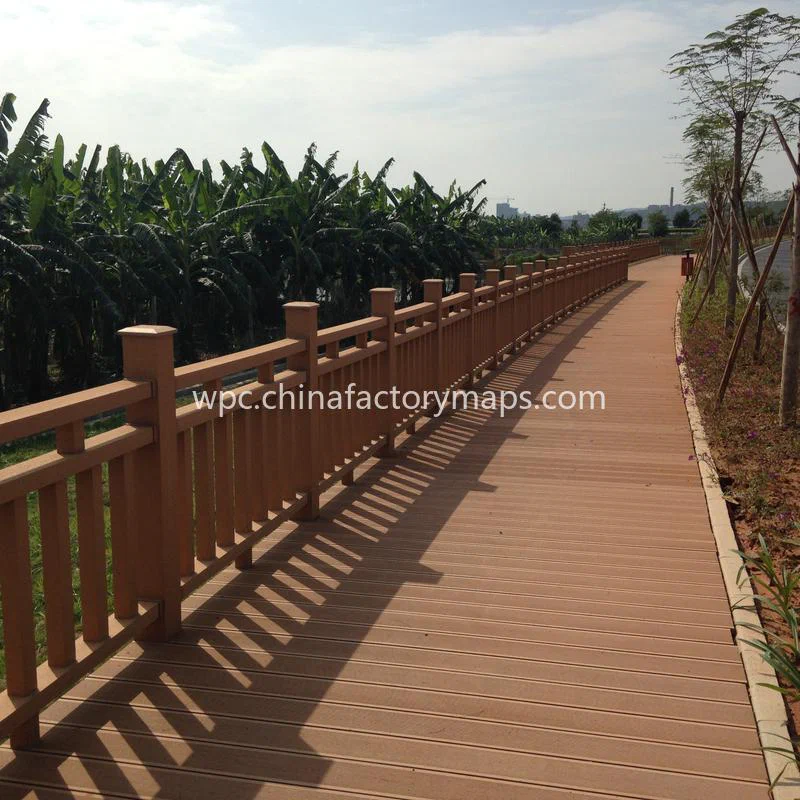
Summer house projects are influencing how Chinese WPC manufacturers approach composite cladding, particularly in product appearance, outdoor performance and order flexibility. For overseas buyers, the shift is less about a single new material than about matching cladding specifications to smaller residential projects, varied climates and different installation requirements. Supplier location also matters, especially when comparing production options with access to export ports.
Summer houses place different demands on cladding than large commercial developments. Buyers may prioritise timber-like textures, coordinated colours and board profiles that suit garden buildings, studios and seasonal living spaces. Composite cladding for summer house projects must also accommodate exposure to rain, temperature changes and sustained sunlight. WPC resists moisture and insect damage better than untreated timber, but it is not indestructible. Boards expand and contract with temperature, colour can fade under prolonged UV exposure, and correct installation remains essential. Manufacturers serving this segment therefore need to communicate more than surface appearance: buyers need clear information on dimensions, fixing methods, expansion gaps and compatible substructures. A ventilated installation system helps manage moisture behind the cladding. These details can affect the finished appearance and the long-term performance of a project as much as the board itself.

The sourcing implications extend to product selection and production planning. Summer house orders may involve several finishes, limited project-specific quantities or combinations of cladding and decking. That can make sample consistency, colour matching and the availability of compatible profiles important points of comparison. Buyers should establish whether quoted specifications apply to the actual production batch, how surface finishes are controlled and whether replacement boards can be ordered later. Claims such as UV resistant or low maintenance also need context: performance depends on the formulation, exposure conditions and installation, rather than the label alone. Chinese WPC suppliers may differ in their product focus and willingness to accommodate customised specifications, so buyers should confirm production capabilities directly instead of assuming that every listed factory offers the same range. Clear technical documentation helps reduce uncertainty before a project moves from sample approval to bulk production.

Geography provides another useful starting point. Chinafactorymaps.com currently maps 49 WPC suppliers across Guangdong, Anhui, Shandong, Zhejiang, Shanghai and Jiangsu, allowing buyers to compare factory locations with nearby logistics routes. Guangdong has the largest listed cluster, including Foshan, Guangzhou and Zhuhai, while Anhui includes suppliers around Xuancheng, Suzhou and Guangde. Shandong, Zhejiang, Shanghai and Jiangsu provide additional sourcing locations. Port proximity can influence inland transport arrangements and the coordination of export shipments, although the nearest port is not automatically the most economical option. Shanghai Port, Ningbo-Zhoushan Port, Shenzhen Port and Qingdao Port are among the major export gateways covered by the directory. Buyers should compare the full route from factory to port alongside production lead times, packaging requirements and shipment arrangements. For summer house projects, this location-based comparison helps narrow the supplier field before detailed technical and commercial checks begin.

FAQ
Q: What should buyers check when sourcing WPC cladding for summer houses?
A: Confirm board dimensions, surface finish, expansion gaps, ventilation requirements and documented weathering performance. Request samples and verify that the approved specifications match the intended production order.
Q: How can factory location help with Chinese WPC sourcing?
A: Mapping suppliers by province and distance to export ports helps buyers compare potential inland transport routes. Actual logistics costs and shipping arrangements should be confirmed with the supplier and freight provider.
Featured Suppliers
Verified premium suppliers on our map.
