How to Shortlist Top Composite Decking Brands and Suppliers
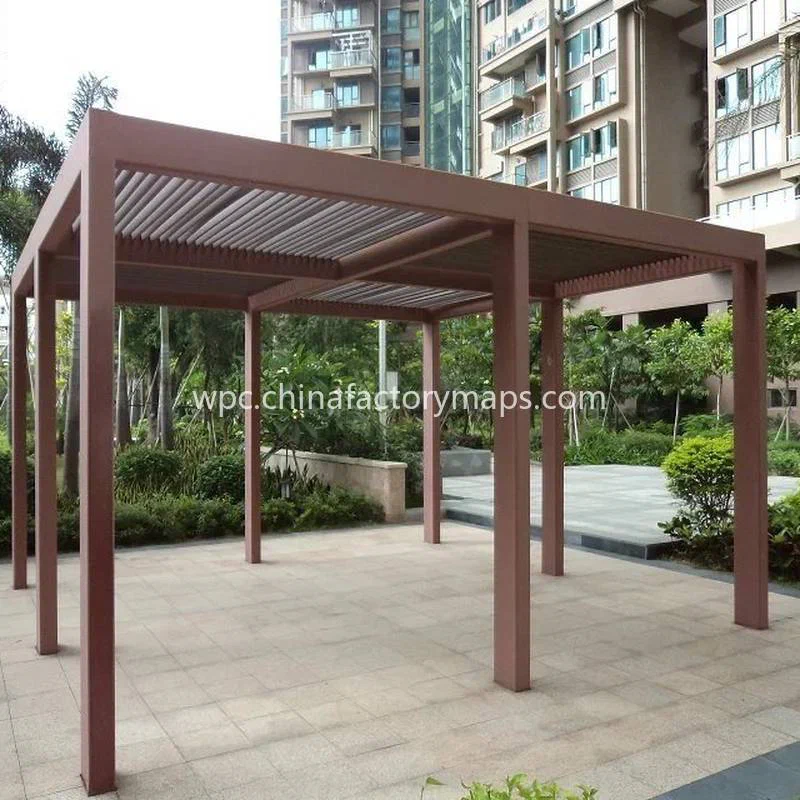
Composite decking supplier selection starts with understanding where factories are located and what that location can indicate about production networks. This page explains how buyers can use geographic clusters, factory checks, and export access to narrow composite decking sources in China.
Mapping supplier locations before evaluation
A supplier map helps buyers move from a broad search to a practical shortlist. China’s WPC factory clusters are not evenly distributed, and the directory currently maps suppliers across Guangdong, Anhui, Shandong, Zhejiang, Shanghai, and Jiangsu. These areas provide a starting point for comparing available manufacturing regions rather than judging suppliers by online listings alone.

Geography can reveal useful sourcing factors. A factory near established manufacturing networks may have easier access to related material suppliers, labor pools, and logistics services. Port distance also matters for export planning. Locations connected with ports such as Shanghai Port, Ningbo-Zhoushan Port, Shenzhen Port, Guangzhou Port, Qingdao Port, and other covered export hubs can help buyers assess shipping arrangements during supplier screening.
What factory location signals during vetting
Cluster membership is not a guarantee of product quality. It is a reference point. A buyer still needs to confirm the factory’s actual production capability, product range, and experience with international orders. The map directory supports this first filtering step by showing where suppliers are located and how their positions relate to export routes.
For composite decking, technical checks should focus on material details and production controls. WPC decking combines wood fiber and plastic components, and factories should be able to explain their formulations, board structures, surface treatments, and testing processes. The material resists moisture and insects better than untreated wood, but it is not indestructible. Boards can expand and contract with temperature changes, so installation guidance, including proper gapping and a ventilated substructure, should be available.
Confirming product and supply details
Buyers comparing the top composite decking brands and suppliers should separate brand recognition from manufacturing ability. A supplier evaluation should include questions about available decking profiles, surface finishes, color options, co-extrusion capabilities where relevant, and production consistency. Colour stability should also be discussed because sustained UV exposure can cause fading over time.
Other checks include reviewing samples, confirming packaging methods, understanding lead-time expectations, and checking whether the factory can support the intended market requirements. A factory that communicates technical information clearly is easier to evaluate than one that only provides product images and general descriptions.
The map workflow works best when combined with direct supplier verification. Buyers can first filter factories by province or city, compare proximity to suitable ports, then contact selected suppliers for technical documents and samples. This approach reduces unnecessary outreach and keeps supplier research tied to practical logistics.

Using a directory as part of sourcing research
A geographic directory does not replace factory audits or product testing. It organizes the early research stage by making supplier distribution easier to review. For composite decking projects, location, manufacturing focus, and export access all contribute to a more informed shortlist.

Factories listed around Guangdong, Anhui, Shandong, Zhejiang, Shanghai, and Jiangsu represent different sourcing locations within China’s WPC industry. Reviewing these clusters alongside port connections gives buyers a clearer view of available options before moving into commercial discussions.
FAQ
Q: Why does factory location matter when sourcing composite decking? A: Location can help buyers assess logistics routes, nearby manufacturing networks, and access to export ports. It is an early screening factor, not a replacement for supplier verification.
Q: Is WPC decking completely waterproof? A: WPC decking has good moisture resistance, but it is not completely waterproof in all conditions. Proper installation and drainage are important for long-term performance.
Q: What should buyers confirm before choosing a composite decking supplier? A: Buyers should review samples, production capability, material information, installation requirements, and export experience before making a supplier decision.
Related Articles
Featured Suppliers
Verified premium suppliers on our map.