How WPC Panel Measurements Affect Installation Costs
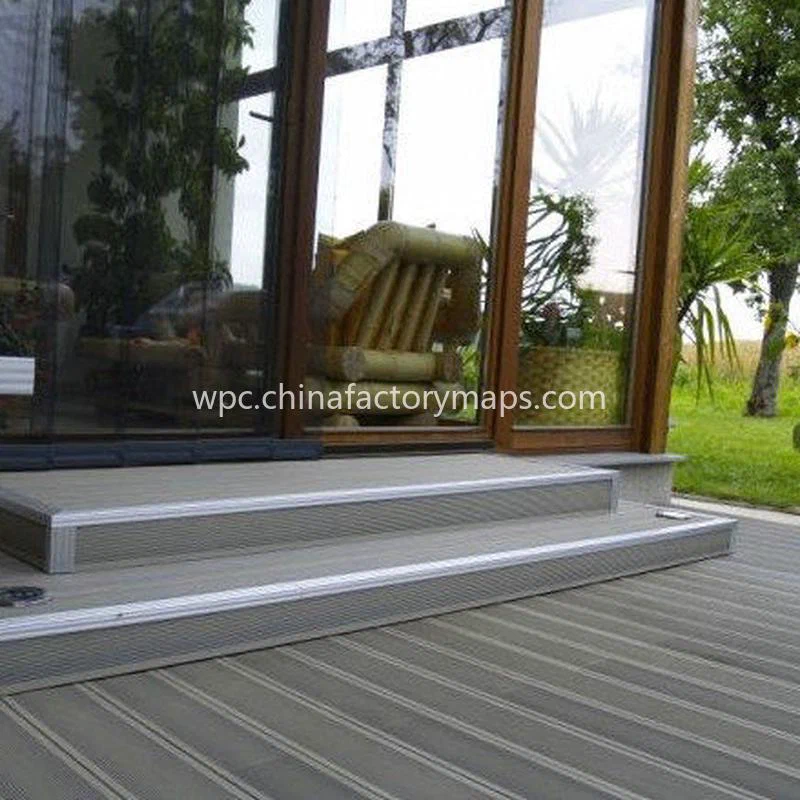
The dimensions of wood-plastic composite (WPC) panels directly influence installation costs by affecting material usage, labor time, and structural requirements. These measurements, including length, width, thickness, and weight, determine how the panels are handled, cut, and fitted during installation, impacting overall expenses.
Key Measurements to Consider
WPC panels come in a variety of standard sizes, typically tailored to specific applications such as decking, fencing, or cladding. Panel length can range from 2 to 6 meters, while widths vary between 100 mm to 300 mm, depending on the design requirements. Thicknesses often range from 10 mm for wall panels to 25 mm or more for decking boards. Thicker panels tend to be more robust and durable, which may reduce long-term maintenance costs, but they are also heavier and costlier to transport and install. Buyers need to carefully calculate the balance between upfront cost savings and long-term performance.
Transportation and Handling Impacts
The weight and size of WPC panels play a significant role in transportation costs. Longer and thicker panels often weigh more, which can increase shipping expenses, especially for orders requiring long-distance transport to export ports such as Ningbo-Zhoushan or Shenzhen. Additionally, larger panels may require more specialized handling and storage solutions to prevent warping or damage during transit. For smaller panels or thinner profiles, the lighter weight reduces shipping costs but may necessitate additional reinforcement during installation, adding to labor costs.

Installation Complexity
The dimensions of WPC panels also dictate the complexity of installation. Wider panels can cover more surface area in fewer pieces, potentially reducing labor hours and speeding up the process. However, they may require additional structural support to prevent sagging or warping. Narrower panels, while lighter and easier to position, often take longer to install and may involve higher costs for fasteners and labor. The choice between these options depends on the project’s priorities, whether they lean toward upfront material costs or long-term durability.
Regional Variations in Supply
Suppliers in different regions of China may specialize in varying panel dimensions, influenced by local demand and manufacturing capabilities. For example, factories in Guangdong, particularly Foshan and Guangzhou, are known for their diverse product offerings, including customized panel sizes. Conversely, suppliers in Anhui, such as those in Xuancheng or Guangde, may focus on more standardized dimensions to streamline production. Buyers looking for specific measurements should consider the proximity of suppliers to major ports to minimize logistical expenses.
Gapping and Expansion Considerations

WPC panels expand and contract with temperature changes, a property that requires careful planning during installation. Larger panels may necessitate wider gaps to accommodate this movement, which can affect the overall appearance and structural integrity. Thinner panels, while less prone to significant expansion, might be more susceptible to warping if not properly supported by a ventilated substructure. These factors must be weighed alongside panel dimensions to optimize installation and achieve the desired aesthetic and functional results.
Long-Term Cost Implications

Choosing the right WPC panel measurements is not just about upfront costs; long-term expenses should also be factored in. Thicker panels generally resist wear and tear better in high-traffic areas such as poolside decking or outdoor furniture. Wider panels may offer a smoother visual finish but could require more frequent maintenance if not adequately supported. Buyers should evaluate the intended use of the panels and consider how the dimensions will affect both the initial installation and ongoing upkeep.
FAQ
Q: How do wider WPC panels impact installation costs?
A: Wider panels cover more surface area, reducing labor time, but may require additional structural support, which can increase costs.
Q: Are thinner WPC panels more cost-effective?
A: Thinner panels are often cheaper upfront but may require more reinforcement during installation, potentially increasing labor expenses.
Q: Do WPC panel dimensions vary by region in China?
A: Yes, suppliers in different provinces may specialize in specific panel sizes, influenced by local manufacturing practices and market demand.
Featured Suppliers
Verified premium suppliers on our map.