
Ideal Applications for WPC Panel Joints in Construction Projects
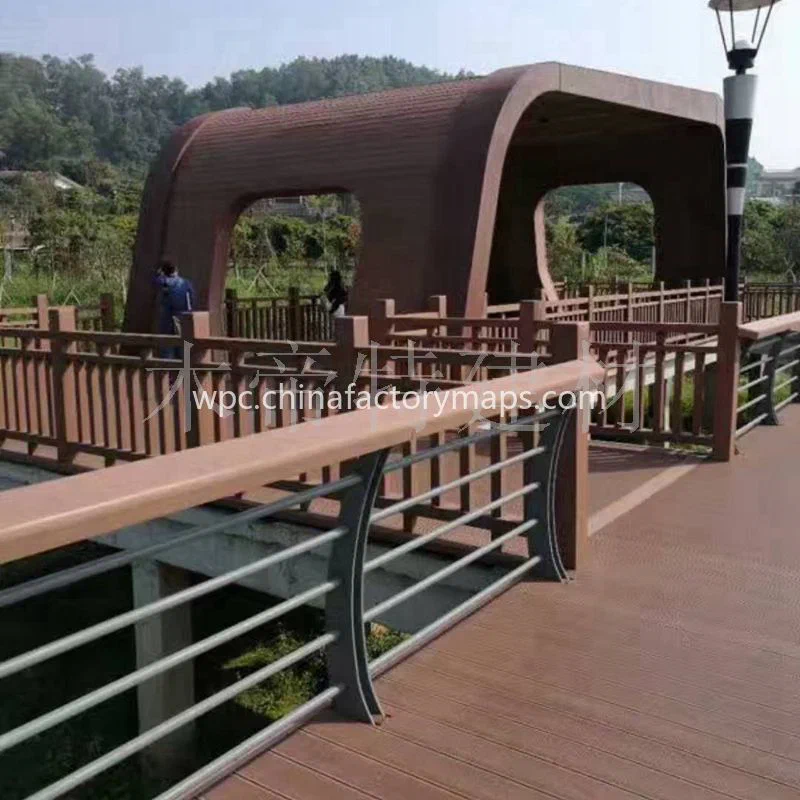
Wood-plastic composite (WPC) panel joints are increasingly popular in construction due to their durability and versatility. They offer solutions for various applications, particularly in environments where traditional materials may struggle. This article explores the ideal applications for WPC panel joints, considering specific environmental demands and how they influence the specifications buyers should prioritize.
Coastal Applications
Coastal areas present unique challenges for construction materials, particularly due to high humidity and saline conditions. WPC panel joints are well-suited for these environments as they resist moisture and are less susceptible to the corrosive effects of saltwater. Buyers should ensure that the WPC products they source are designed to withstand these conditions, focusing on options that offer enhanced weather resistance. Factories in regions like Guangdong, near major ports such as Shenzhen and Guangzhou, frequently produce WPC that meets these stringent requirements.
Freeze-Thaw Conditions
In regions experiencing significant freeze-thaw cycles, WPC panel joints should be selected for their ability to expand and contract without losing structural integrity. This characteristic is crucial in preventing warping or cracking, which can compromise performance. Buyers should inquire about the thermal expansion properties of the WPC products and ensure proper installation guidelines are followed, such as providing gaps in joints. Factories in Shandong and Anhui are known for producing WPC suitable for such climates, given their experience with demanding weather conditions.

High Foot Traffic Areas
For applications in high foot traffic areas, such as commercial buildings or public spaces, the durability of WPC panel joints becomes paramount. These joints must withstand constant wear and tear while maintaining aesthetic appeal. Anti-slip properties are also critical in these settings to prevent accidents. Buyers should seek WPC solutions that offer enhanced durability and slip resistance. Manufacturers in Zhejiang and Jiangsu have developed products specifically tailored for high-traffic environments, ensuring they can meet the demands of commercial projects.

UV Exposure
WPC products are often used in outdoor settings, making them susceptible to UV radiation. Prolonged exposure can lead to fading of colors and degradation of material properties. It is essential for buyers to choose WPC panel joints that incorporate UV stabilizers to prolong their lifespan and maintain their appearance. Factories in Shanghai and coastal areas are increasingly producing UV-resistant WPC that can endure harsh sunlight, making them ideal for outdoor applications such as decks and facades.
Aesthetic Versatility
WPC panel joints are available in a variety of finishes and colors, allowing for aesthetic versatility in design. This adaptability makes them suitable for both residential and commercial projects. However, buyers should assess the color retention capabilities of the materials they select. It is beneficial to inquire about the long-term performance of the finishes and how they react to environmental factors. Producers in Guangdong are noted for their aesthetic options, often catering to designers looking for custom solutions.
Installation Considerations
Proper installation is crucial to maximizing the performance of WPC panel joints. Buyers should consult with manufacturers about recommended installation practices, including the need for a ventilated substructure to accommodate the natural expansion and contraction of WPC. Factories that offer comprehensive installation guides can be valuable partners in ensuring that the joints perform as expected over time. Many suppliers in Anhui and Shandong provide detailed instructions and technical support to assist with installations in various environments.
Sustainability Factors
Sustainability is increasingly important in construction. WPC is often marketed as an eco-friendly alternative to traditional materials, as it can be made from recycled plastics and wood fibers. Buyers interested in sustainability should inquire about the sourcing of materials and the environmental practices of factories. Many manufacturers in Zhejiang are focusing on sustainable production processes, aiming to reduce waste and the carbon footprint associated with WPC panel production.

FAQ
Q: What types of projects are WPC panel joints suitable for?
A: WPC panel joints are ideal for a variety of projects including outdoor decking, facades, and areas with high foot traffic.
Q: How do I ensure the longevity of WPC panel joints in harsh environments?
A: Selecting products designed for specific conditions, such as UV-resistant and weather-proof WPC, along with proper installation, will enhance longevity.
Related Articles
Featured Suppliers
Verified premium suppliers on our map.
