Innovations Driving the Best Railing Options for Composite Decks
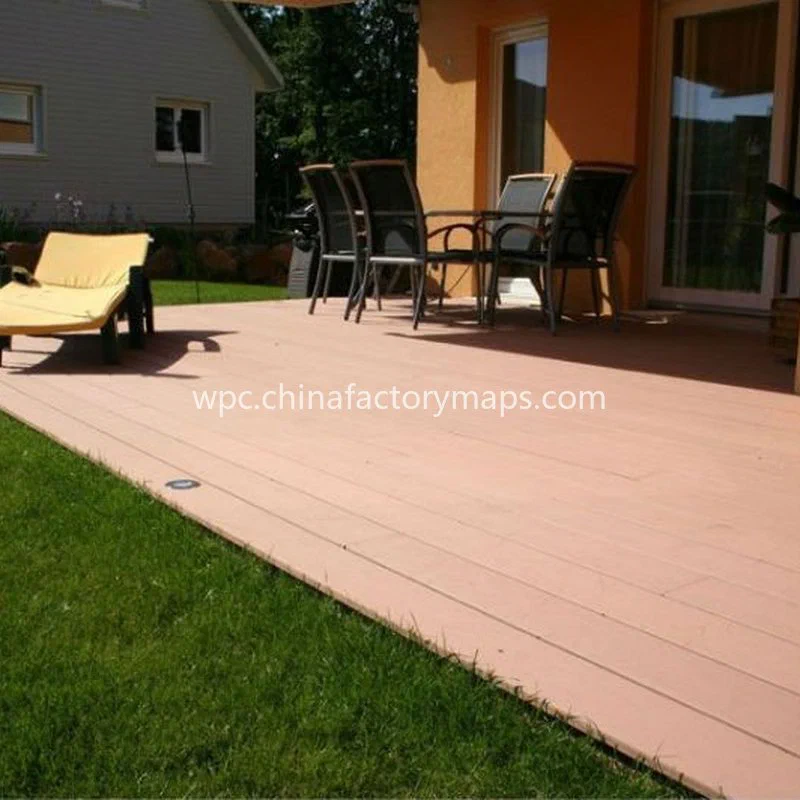
Chinese manufacturers of wood-plastic composite (WPC) railing systems are adapting to meet evolving industry demands. Buyers sourcing the best railing for composite decks today encounter innovations that prioritize aesthetics, durability, and compatibility with various decking solutions. This article explores the shifting trends in this sector and their implications for procurement decisions.
Material and Design Advances
WPC railing manufacturers are increasingly adopting co-extrusion techniques to enhance the performance and appearance of their products. Co-extrusion involves a protective cap layer fused to the core material, offering improved resistance to UV exposure, moisture, and surface wear. This process also allows for more realistic woodgrain patterns and richer color options, aligning with consumer preferences for natural aesthetics. Design flexibility is another focus, with modular systems and customizable profiles enabling seamless integration into diverse deck layouts and architectural styles.
Enhanced Durability and Weather Resistance
Weather resistance remains a critical factor in railing selection, particularly for outdoor installations. WPC railings are engineered to withstand temperature fluctuations, but precise gapping and ventilated substructures are necessary to accommodate thermal expansion. Manufacturers are also addressing UV stability, an important consideration for installations exposed to direct sunlight. While modern WPC formulations resist fading better than earlier iterations, buyers should examine long-term performance data when assessing options. Additionally, insect resistance and low moisture absorption continue to position composite railings as reliable alternatives to natural wood.
Trends in Sustainability and Certifications
Eco-conscious buyers often prioritize sustainability when choosing decking and railing systems. In response, Chinese WPC factories are adopting recycled plastic and wood fibers in their production processes, reducing reliance on virgin materials. Certifications such as FSC (Forest Stewardship Council) and third-party environmental assessments are gaining traction, providing assurance of sustainable sourcing and manufacturing practices. While exact certification rates among suppliers vary, the trend toward transparency aligns with broader industry expectations for environmentally responsible products.
Export Logistics and Regional Clusters

For international buyers, proximity to major export ports like Shanghai or Shenzhen can streamline logistics. Guangdong, Anhui, and Shandong provinces currently host the largest clusters of WPC railing manufacturers, offering a range of options for bulk orders and OEM production. Buyers sourcing from these regions benefit not only from competitive pricing but also from established shipping routes to global markets. As railings are typically packaged alongside decking components, coordinated supply chain solutions can simplify procurement and reduce overall costs.

FAQ
Q: What is the main advantage of co-extrusion in WPC railings?
A: Co-extrusion enhances durability and aesthetic appeal by providing a protective cap layer that resists UV, moisture, and surface wear.
Q: How can buyers ensure compatibility between railings and composite decking?
A: Buyers should check specifications for modularity, profile dimensions, and recommended installation methods to ensure seamless integration.
Featured Suppliers
Verified premium suppliers on our map.