Innovations in WPC Wall Panel Manufacturing for Exterior Applications
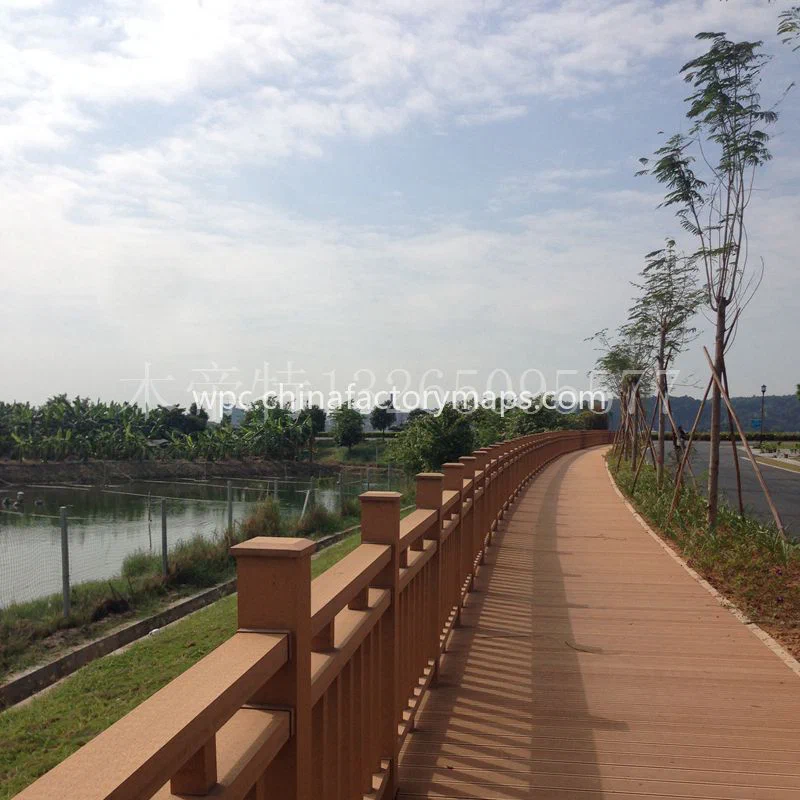
Chinese manufacturers of WPC wall panels for exterior applications are increasingly adopting advanced production techniques and innovative material combinations. These shifts are reshaping the segment, presenting new options for buyers focused on durability, aesthetics, and sustainability in outdoor cladding solutions.
Material Innovations and Co-Extrusion Techniques
One notable trend is the use of co-extrusion technology, which enhances the surface properties of WPC wall panels. By layering a protective cap over the core material, manufacturers can produce panels with improved resistance to UV exposure, moisture, and physical wear. Co-extrusion also allows for more refined textures and color consistency, which are critical for exterior applications requiring long-term visual appeal. Buyers sourcing WPC wall panels exterior can expect these products to address common performance challenges better than earlier generations.
Regional Manufacturing Hubs

Production of WPC wall panels is concentrated in key provinces like Guangdong, Anhui, Shandong, and Zhejiang. Guangdong, particularly around Foshan and Guangzhou, stands out for its proximity to Shenzhen and Guangzhou ports, facilitating exports. Anhui’s Xuancheng and Guangde area is another hub, with manufacturers leveraging regional expertise in polymer materials. Buyers targeting bulk orders often consider factory location alongside port access to streamline logistics and optimize shipping costs.
Sustainability and Recycled Content

The push towards eco-friendly production is evident in the use of recycled plastics and wood fibers in WPC formulations. Many factories are integrating these materials to reduce environmental impact without compromising product integrity. While exact percentages of recycled content vary, sustainability is becoming a key criterion for international buyers, especially those targeting green building certifications. This trend aligns with broader industry efforts to position WPC as a viable alternative to traditional wood and PVC.

Surface Treatments and Customization Options
Surface treatments are evolving to meet diverse architectural demands. Textured finishes that mimic natural wood grains are gaining traction, along with matte and high-gloss options. Some manufacturers offer customizable panel dimensions and patterns, enabling buyers to specify products for unique project requirements. This flexibility is particularly appealing in facade cladding applications where aesthetics and functionality intersect.

Climate Considerations in Export Markets
Chinese WPC factories are responding to the varying climatic conditions in export markets by tailoring product formulations. For instance, panels designed for hot and humid regions may emphasize UV stability and mold resistance, while those for colder climates focus on minimizing thermal expansion and contraction. This adaptability makes WPC wall panels a versatile choice for global buyers dealing with diverse environmental challenges.
Export Port Proximity and Logistics
With major export ports like Shanghai, Ningbo-Zhoushan, and Qingdao playing a pivotal role, factory proximity to these logistics hubs is a competitive advantage. A factory closer to a port can reduce lead times and shipping complexity, which is particularly critical for time-sensitive projects. Buyers sourcing from mapped factories in Guangdong or Zhejiang can leverage this proximity to enhance supply chain efficiency.
Challenges in Colour Retention and Maintenance
Despite advancements in UV resistance, prolonged exposure to sunlight can still lead to gradual color fading in WPC wall panels. Manufacturers recommend regular cleaning and maintenance to preserve surface appearance. Buyers should also factor in proper installation practices, such as adequate gapping and ventilated substructures, to mitigate issues related to thermal expansion and moisture accumulation.
FAQ
Q: What is co-extrusion in WPC wall panel manufacturing?
A: Co-extrusion involves layering a protective cap over the core material to improve surface durability, UV resistance, and aesthetic consistency.
Q: Are WPC wall panels eco-friendly?
A: Yes, many manufacturers use recycled plastics and wood fibers in their formulations, making WPC a sustainable alternative to traditional materials.
Q: Can WPC wall panels withstand extreme climates?
A: Panels can be tailored for specific climates, with formulations emphasizing UV stability, mold resistance, or reduced thermal expansion depending on the region.
Featured Suppliers
Verified premium suppliers on our map.