Key Considerations When Comparing Composite and Wood Deck Costs
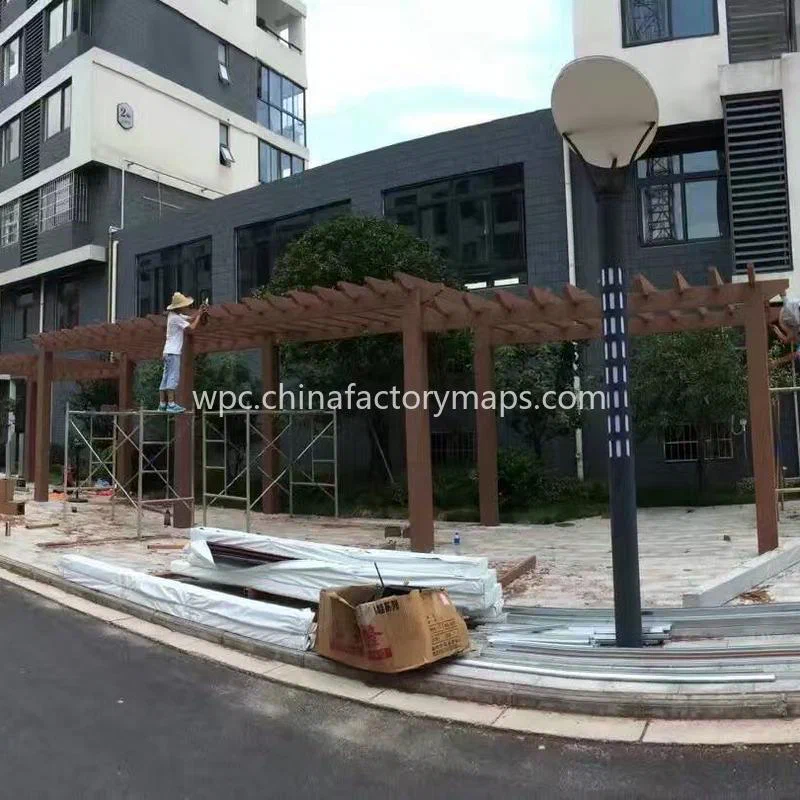
Comparing the costs of composite decking and traditional wood decking involves multiple factors that go beyond initial pricing. For overseas buyers sourcing composite decking from Chinese manufacturers, understanding these variables is critical. This article outlines key considerations to help buyers navigate supplier verification, product quality, and potential issues specific to the supply chain.
Material and Manufacturing Differences
The price of composite decking varies significantly depending on the type of raw materials used and the manufacturing process. Most composite decking is made from a mix of recycled plastics and wood fibers, but the ratio and quality of these materials can differ. Higher-grade composites may include additional UV stabilizers and anti-fungal agents, which impact both durability and cost. Buyers should request detailed material specifications and verify whether the manufacturer has in-house production facilities or outsources components. Suppliers in regions like Guangdong and Zhejiang tend to specialize in co-extrusion decking, which offers an additional wear layer for improved performance.
Freight and Export Port Proximity

Shipping costs can substantially influence the total landed cost when comparing composite decking vs wood price. Factories closer to major export ports like Ningbo-Zhoushan or Qingdao may offer logistical advantages, reducing inland transportation expenses. Buyers should assess the supplier’s proximity to these ports and inquire about their experience handling international shipments. Additionally, confirm whether the supplier has established relationships with freight forwarders to streamline export processes.
Supplier Verification: Manufacturer vs Trading Company
One common challenge when sourcing from China is distinguishing between direct manufacturers and trading companies. Manufacturers typically offer more competitive pricing and greater transparency about production capabilities. Buyers can request factory certifications, production facility photos, and details about equipment capacity to confirm the supplier’s manufacturing credentials. Visiting clusters like Foshan in Guangdong or Xuancheng in Anhui, where multiple manufacturers are concentrated, may also provide opportunities to validate claims on-site.
Quality and Certification Standards

Certifications are often a deciding factor for buyers looking to ensure compliance with international standards. While Chinese suppliers may claim adherence to standards for moisture resistance, UV stability, or fire retardancy, it is essential to verify these claims. Ask for test reports from recognized third-party labs and check whether the supplier can provide consistent documentation for their product lines. Be cautious of any supplier that cannot confirm the repeatability of their quality testing.
MOQ and Customization Options
Minimum Order Quantities (MOQs) and customization capabilities can vary widely between suppliers. Some manufacturers may allow small trial orders, while others require significant volumes. If you’re looking for specific colors, textures, or profiles, ensure these customizations are feasible within your order size. Regions like Zhejiang are known for offering a wider variety of finishes and profiles due to their specialized production lines.
Common Issues During Fulfillment
Delays, product discrepancies, and inadequate packaging are frequent problems when sourcing composite decking. Overseas buyers should insist on pre-shipment inspections to catch quality issues early. Discuss packaging standards with the supplier to ensure the decking arrives undamaged after long sea voyages. Some suppliers in Shandong and Anhui have developed expertise in export-grade packaging, which can mitigate transit-related risks.
Comparing Composite Decking and Wood Pricing
When evaluating composite decking vs wood price, buyers should consider total lifecycle costs. Composite options generally have higher upfront costs but lower maintenance requirements over time. However, factors like color fading under UV exposure or expansion due to temperature changes can affect long-term performance. Verifying these characteristics with the supplier is crucial, especially for buyers targeting markets with extreme climate conditions.
FAQ
Q: How can I confirm if a supplier is a real manufacturer?
A: Request factory certifications, production photos, and details about equipment capacity. Visiting the facility in person is also an effective method.
Q: What are the typical quality issues with composite decking?
A: Common issues include poor UV resistance, inconsistent dimensions, and inadequate packaging that leads to damage during transit.
Q: Does proximity to an export port significantly affect cost?
A: Yes, factories close to major export ports often offer lower inland transportation costs, which can reduce the overall landed cost.
Featured Suppliers
Verified premium suppliers on our map.