
Key Questions to Ask When Evaluating WPC Coextrusion Products
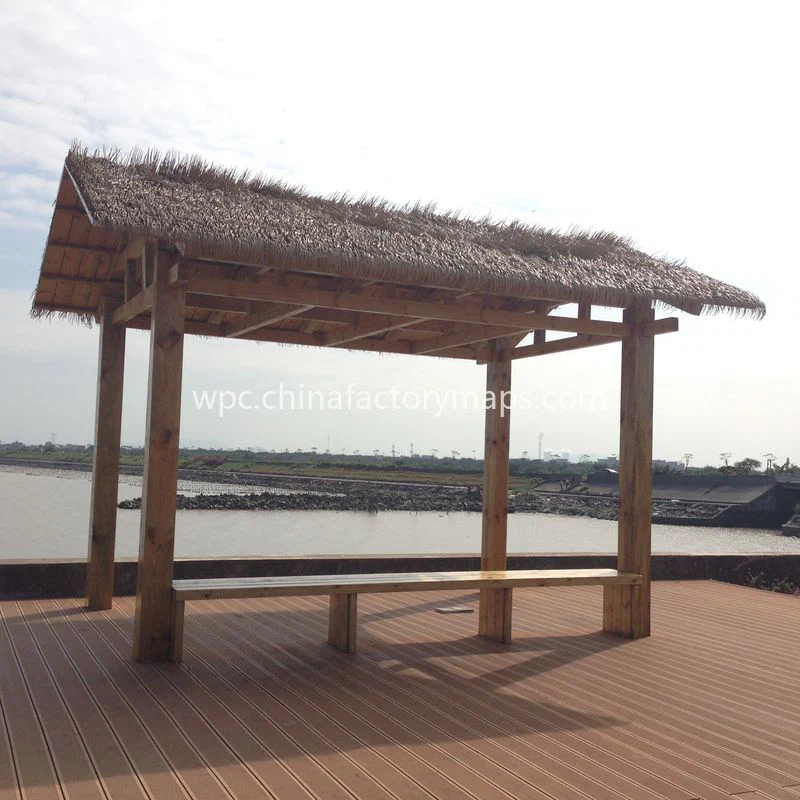
Evaluating WPC coextrusion products requires careful consideration of various factors that can significantly impact the quality and performance of the materials. Overseas buyers sourcing from Chinese manufacturers should ask specific questions to differentiate between genuine manufacturers and trading companies, ensuring they select reliable suppliers. This article outlines key inquiries and aspects to verify during the evaluation process.
Understanding Manufacturing Capabilities
When assessing a potential supplier, it is crucial to understand their manufacturing capabilities. Buyers should inquire about the production process, including the types of machinery used and the materials sourced. Genuine manufacturers will be transparent about their operations and may provide insights into their technology and innovation in WPC coex production. Understanding their capacity for scaling production is also important; if a supplier cannot meet your volume requirements, they may not be the right fit.
Another key aspect is the supplier’s experience in the market. How long have they been producing WPC coextrusion products? A well-established supplier is likely to have refined their processes and developed quality control measures over time. Buyers should request information about prior projects or partnerships, particularly those that align with their own needs.
Quality Assurance and Testing

Quality assurance is a critical factor when evaluating WPC coextrusion products. Buyers should ask about the quality control measures in place at the manufacturing facility. This includes understanding the types of tests conducted on the final products, such as moisture resistance, UV stability, and anti-slip properties. Suppliers should be able to provide documentation of tests performed by third-party laboratories, demonstrating that their products meet relevant standards.
It is also wise to request samples. A reputable supplier will provide samples for evaluation, allowing potential buyers to assess the material’s appearance, texture, and performance characteristics. This step helps ensure that the product meets expectations before committing to a bulk order.

Customization and Flexibility

Another consideration is the supplier’s ability to customize products to meet specific project requirements. Buyers should inquire about the range of colors, finishes, and dimensions available for WPC coextrusion products. Flexibility in customization can be a significant advantage, especially for projects requiring specific aesthetic or functional elements.
Additionally, discussing the supplier’s lead times for custom orders is essential. Some manufacturers may have lengthy production schedules, which can delay project timelines. Understanding the supplier’s flexibility in accommodating urgent requests or changes can help manage expectations and ensure a smoother procurement process.
Identifying Trading Companies vs. Manufacturers

Distinguishing between a genuine manufacturer and a trading company is essential in sourcing WPC coex products. Buyers should ask about the supplier’s sourcing practices and whether they produce their own materials. Trading companies may lack direct control over production quality, making them less reliable for consistent product standards.
To verify a company’s status, request information about their production facility location, employee count, and any relevant certifications. Manufacturers are more likely to have comprehensive documentation regarding their production practices, while trading companies may offer limited transparency. Conducting due diligence can lead to more informed purchasing decisions.
Common Pitfalls and Issues
Buyers should be aware of common issues that can arise when sourcing WPC coextrusion products. One frequent problem is the inconsistency in product quality, often due to inadequate quality control measures. Buyers should ensure that suppliers have clear protocols for monitoring and maintaining quality throughout the production process.
Additionally, issues related to shipping and logistics should be discussed upfront. Understanding the supplier’s experience with international shipping, including packaging and handling practices, can help avoid complications during transit. Buyers should clarify responsibilities for potential damages or defects that may occur during shipping.
FAQ
Q: What should I look for in a WPC coextrusion supplier? A: Look for manufacturers with a solid production background, documented quality assurance practices, and flexibility in customization.
Q: How can I ensure the quality of WPC products? A: Request product samples and inquire about third-party testing and quality control processes used by the supplier.
Q: What are the risks of working with trading companies for WPC products? A: Trading companies may lack direct control over production quality and may not provide the same level of transparency as genuine manufacturers.
Featured Suppliers
Verified premium suppliers on our map.
