
Logistics for Exporting Composite Decking from China's Major Ports
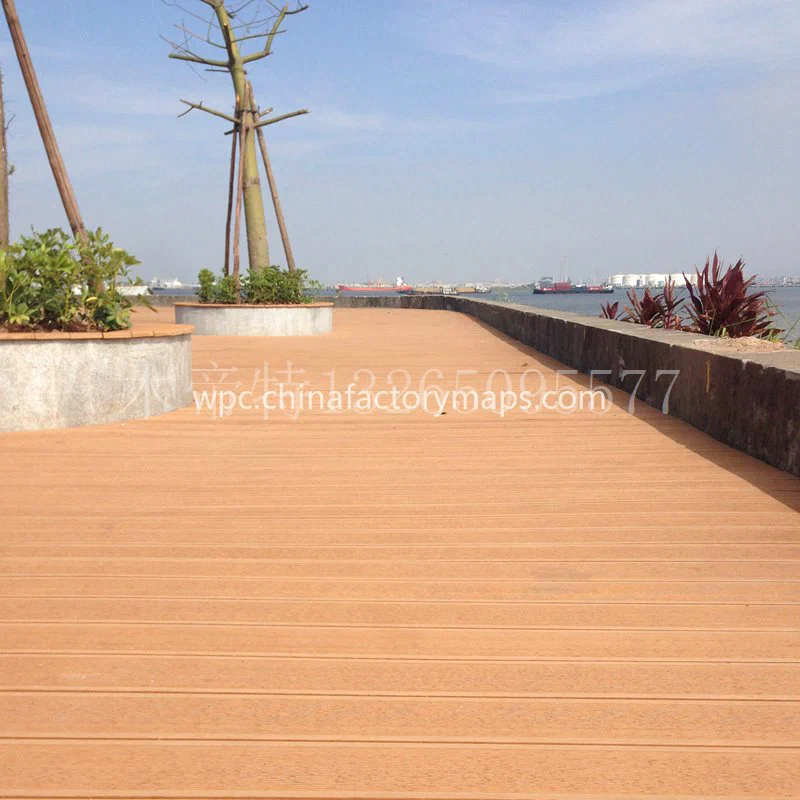
Proximity to export ports significantly influences the logistics of shipping composite decking from China. Understanding which ports serve the major producing regions and how this affects cost, safety, and efficiency is crucial for overseas buyers. This article explores the main ports, their connections to manufacturing hubs, and factors to consider when choosing suppliers based on port distance.
Guangdong province is a key area for composite decking production, with numerous factories concentrated in cities like Foshan and Guangzhou. The region benefits from proximity to several major export ports, including Shenzhen Port and Guangzhou Port. These ports facilitate efficient shipping logistics, allowing for quicker turnaround times and potentially lower shipping costs. The weight and volume of composite materials mean that container fill is a critical factor, making nearby ports advantageous for minimizing transport expenses.

Anhui province, particularly in cities like Xuancheng and Suzhou, is another important area for composite decking manufacturers. Although less densely packed than Guangdong, it still has several producers leveraging connections to significant ports such as Shanghai Port and Ningbo-Zhoushan Port. For buyers, the distance from these ports can impact overall shipping times and costs. Shorter distances typically translate to lower risks of damage in transit due to reduced travel times.
Shandong province features a handful of manufacturers, with Zibo and Linyi as notable cities. Exporting from this region generally routes through Qingdao Port, which has strong logistics capabilities. Buyers should recognize that while Shandong manufacturers may offer competitive pricing, the shipping distance can add to overall costs, making it essential to evaluate the proximity of suppliers to Qingdao.
Zhejiang province, with cities like Huzhou and Jiaxing, is home to a smaller number of composite decking producers but remains strategically positioned. Exporting through Ningbo-Zhoushan Port allows for swift access to international markets. For companies considering the composite decking best brands, assessing the logistics involved can lead to significant cost savings and improved supply chain efficiency.

When evaluating suppliers, it is essential to consider the implications of port distance. A supplier located farther away from a major port may offer lower prices but can incur higher shipping costs, longer lead times, and increased risk of damage during transit. Buyers should weigh these factors carefully against product quality and brand reputation when making their selections.

In conclusion, understanding the logistics of exporting composite decking from China involves more than just assessing product quality. Proximity to ports such as Shanghai, Shenzhen, and Qingdao plays a significant role in shipping efficiency and cost-effectiveness. Buyers should prioritize suppliers based on their geographic location relative to these key export points to optimize their procurement strategies.
FAQ
Q: Why is port proximity important for composite decking suppliers?
A: Port proximity affects shipping costs, efficiency, and risk of damage during transit.
Q: Which ports are the most important for exporting composite decking?
A: Major ports include Shanghai Port, Shenzhen Port, and Qingdao Port, serving different manufacturing regions.
Q: How can I evaluate suppliers based on shipping logistics?
A: Consider the distance of suppliers from major ports and the potential impact on shipping costs and delivery times.
Related Articles
Featured Suppliers
Verified premium suppliers on our map.
