Logistics for Exporting Plastic Wood Furniture Components
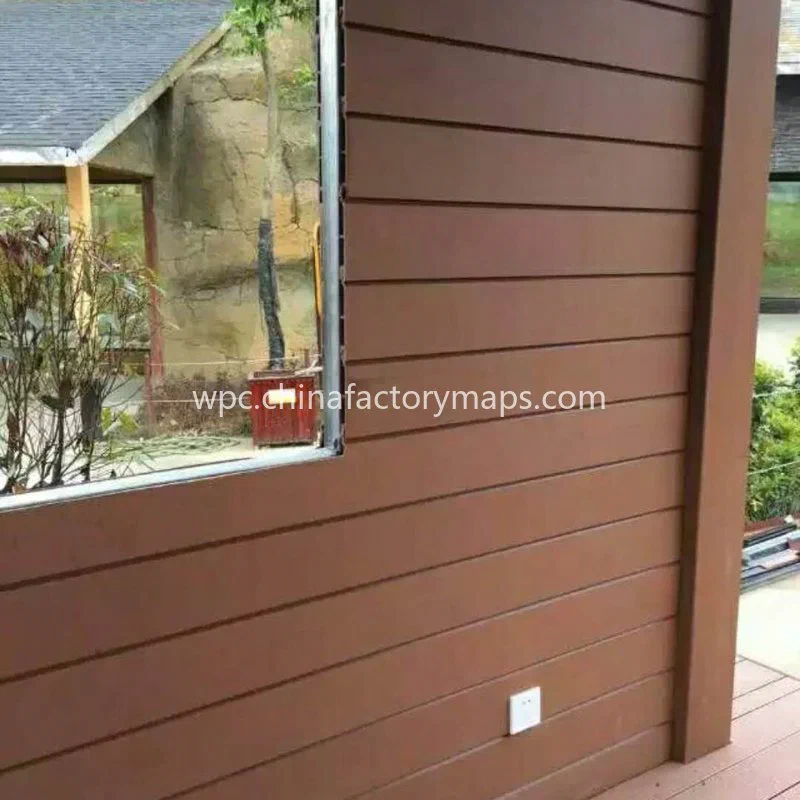
Exporting plastic wood for outdoor furniture involves multiple logistical considerations, particularly with regard to proximity to major export ports. Given the material’s density and bulk, efficient transport from factory to port can affect costs, delivery timelines, and even the condition of the goods upon arrival. This article examines the key port options for suppliers in China’s main production regions and offers guidance for buyers evaluating suppliers based on location.
Key Port Connections by Region
Wood-plastic composite (WPC) manufacturers in China are concentrated in several key provinces, each with access to specific export ports. Factories in Guangdong, for example, are well-positioned near Shenzhen Port and Guangzhou Port, both of which handle significant volumes of containerized goods. Anhui-based suppliers often rely on Shanghai Port due to its extensive shipping routes, while Shandong suppliers frequently utilize Qingdao Port or Rizhao Port. Zhejiang’s manufacturers benefit from proximity to Ningbo-Zhoushan Port, one of the largest in the world, and Jiangsu-based producers often ship through Taicang Port or Shanghai Port. Buyers should consider these connections when choosing suppliers to minimize inland transport costs.
Why Port Proximity Matters
The weight and volume of plastic wood for outdoor furniture make inland transportation an expensive component of the supply chain. Factories located closer to export ports can reduce trucking distances, which lowers freight costs and shortens transit times. Additionally, longer inland journeys increase the risk of damage, especially if goods are improperly handled or exposed to fluctuating temperatures. Proximity to a major port not only simplifies logistics but also reduces the likelihood of delays caused by congestion at smaller, less capable ports.
Container Fill and Damage Risks
WPC products like decking boards or furniture components are often shipped in full container loads (FCL) to prevent damage. This ensures the products are tightly packed, minimizing movement during transit. Factories near major ports can load containers directly at their facilities or nearby consolidation centers, reducing the handling risk associated with multiple transfer points. Buyers sourcing from regions far from export hubs should confirm that their suppliers have reliable transport arrangements to maintain product integrity.
Choosing the Right Supplier Based on Location
For buyers, evaluating supplier location involves balancing production quality with logistical efficiency. While a supplier may offer competitive pricing, their distance from a major port could offset savings through higher inland shipping costs. For instance, Guangdong-based suppliers with access to both Shenzhen and Guangzhou Ports may offer an advantage for buyers prioritizing speed to international markets. Similarly, Zhejiang suppliers near Ningbo-Zhoushan Port can expedite shipments to Europe and North America. Buyers should map out these logistics to ensure the total landed cost aligns with their budget and timeline.

Practical Steps for Buyers

When sourcing WPC furniture components, buyers should request detailed shipping plans from potential suppliers. This includes identifying the nearest port, transit times for inland transport, and container loading procedures. Suppliers with established export experience often have streamlined processes for documentation and customs clearance, which can further reduce delays. Factoring in these logistical elements early can lead to smoother transactions and long-term cost savings.

FAQ
Q: Which ports are most commonly used for exporting plastic wood for outdoor furniture?
A: Major ports include Shenzhen Port, Guangzhou Port, Shanghai Port, Ningbo-Zhoushan Port, and Qingdao Port, depending on the factory’s location.
Q: How does a factory’s distance to a port affect costs?
A: Longer distances increase inland transport costs and can lead to higher overall shipping expenses, impacting the total landed cost.
Q: What should buyers ask suppliers about logistics?
A: Buyers should inquire about the nearest port, inland transport arrangements, container packing methods, and experience with export documentation.
Related Articles
Featured Suppliers
Verified premium suppliers on our map.