Made in China" vs "Made in PRC": What Buyers Should Know
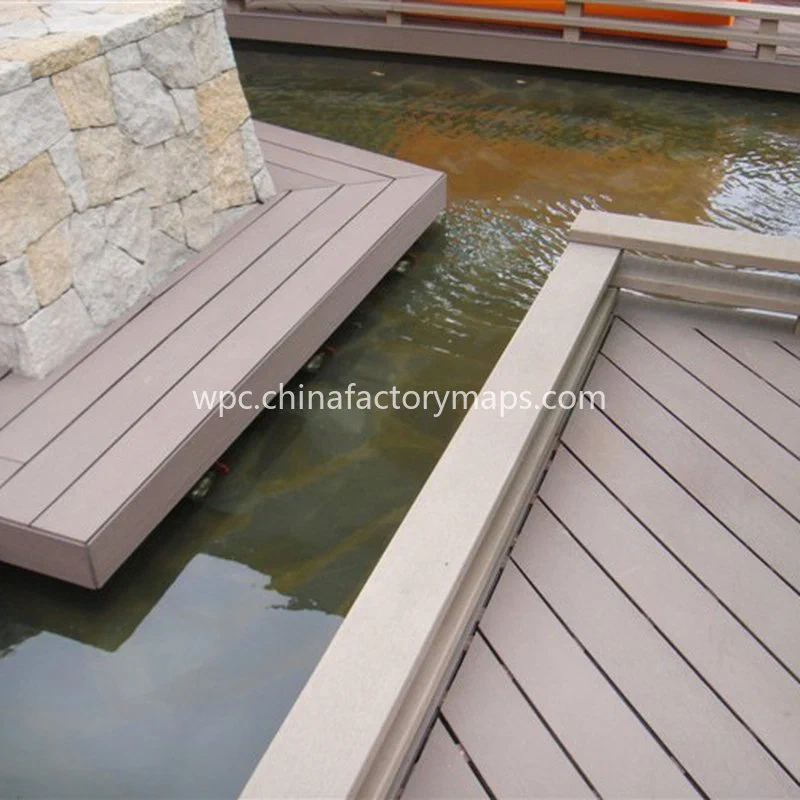
The distinction between “Made in China” and “Made in PRC” has drawn attention among overseas buyers, particularly in sectors like wood-plastic composite (WPC) manufacturing. While the two labels essentially mean the same origin—products from the People’s Republic of China—the choice of phrasing can sometimes reflect different branding strategies or market positioning. For buyers sourcing WPC products from China, understanding these nuances and what they might signal about the supplier is essential.
One key consideration is the type of supplier behind the label. A “Made in PRC” designation may sometimes be used to shift focus away from stereotypes associated with the “Made in China” label. However, the label alone is not a reliable indicator of the supplier’s capabilities or authenticity. Buyers should look beyond branding and verify whether the supplier is a genuine manufacturer or a trading company. This can be done by requesting technical documentation, production capacity details, or visiting the factory location. Platforms like chinafactorymaps.com provide a practical way to identify the geographical clusters of manufacturers, such as those in Guangdong, Shandong, and Zhejiang, and proximity to export ports like Ningbo-Zhoushan or Guangzhou.

Another area to scrutinize is product consistency and quality control. The WPC industry in China is diverse, with factories often specializing in specific types of products such as co-extrusion decking, facade cladding, or poolside decking. Buyers should ask detailed questions about material composition, UV resistance, fire ratings, and anti-slip properties to ensure the product meets their specifications. Common issues include color fading under UV exposure and expansion due to temperature fluctuations, which are inherent to WPC materials. Clear communication about these factors at the start of negotiations can prevent misunderstandings.

Price transparency is another potential challenge. Trading companies may offer lower MOQs but often add markup compared to factory-direct pricing. This can lead to confusion over the true cost structure. Buyers should request detailed quotes that break down costs for materials, packaging, and logistics. Additionally, asking for certifications—while avoiding reliance on fabricated or unverifiable claims—can help ensure compliance with international standards on safety and environmental sustainability.

Finally, logistical factors play a significant role in decision-making. Factories in provinces like Guangdong and Jiangsu may offer shorter lead times due to their proximity to major export ports like Shenzhen or Shanghai. This is particularly relevant for bulk orders, where shipping efficiency can impact overall profitability. Buyers should confirm the supplier’s capacity to handle large-scale production and inquire about their experience with international shipping requirements.

FAQ
Q: Is there any difference in product quality between “Made in China” and “Made in PRC” labels?
A: No, the labels reflect the same origin, but buyers should focus on verifying supplier capabilities and standards.
Q: How can I confirm whether a supplier is a manufacturer or trading company?
A: Request factory visit details, production capacity information, and technical documentation for verification.
Q: Are WPC products from China resistant to UV and moisture?
A: Yes, WPC products generally resist UV and moisture, but buyers should check for specific ratings and confirm quality control measures.
Related Articles
Featured Suppliers
Verified premium suppliers on our map.