Mapping China’s Composite Lumber Manufacturing Clusters
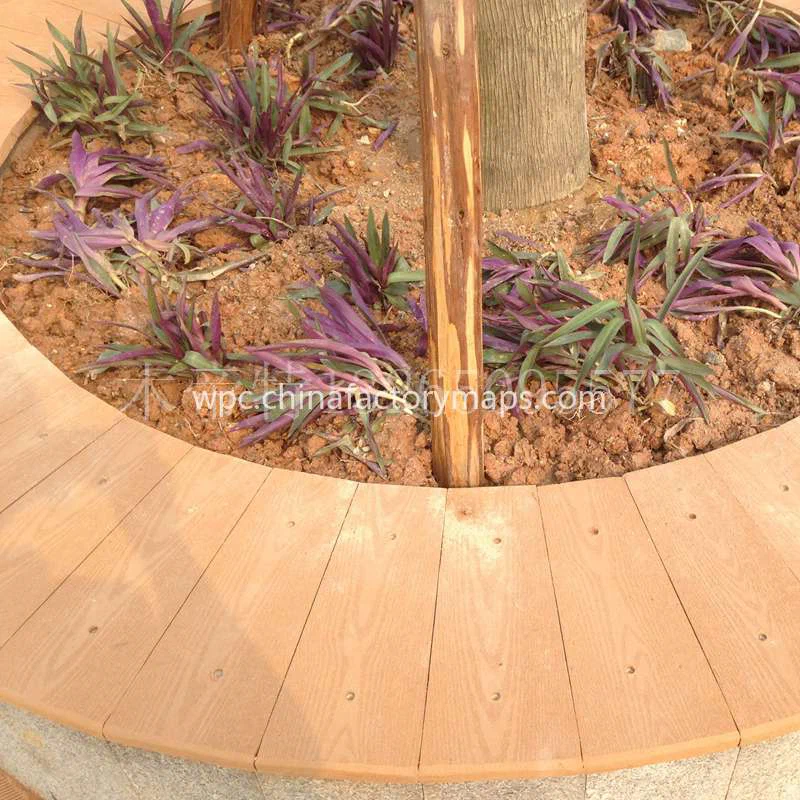
Chinese provinces cluster around composite lumber manufacturing due to several key factors, including access to raw materials, extrusion expertise, labor availability, proximity to export ports, and the historical development of local industries. This article examines where these clusters are located, the reasons behind their formation, and the practical implications for buyers looking to source wood-plastic composite (WPC) products.
Key Manufacturing Regions for Composite Lumber

China’s composite lumber manufacturing is concentrated in six major provinces: Guangdong, Anhui, Shandong, Zhejiang, Shanghai, and Jiangsu. Guangdong tops the list with 22 suppliers, primarily located in cities such as Foshan, Guangzhou, and Zhuhai. Anhui follows with nine suppliers, most of which operate in Xuancheng, Suzhou, and Guangde. Shandong contributes seven suppliers, clustered around Zibo, Linyi, and Qingdao. Zhejiang hosts six suppliers, with activity centered in Huzhou, Jiaxing, and Hangzhou. Shanghai and Jiangsu have smaller clusters, with three and two suppliers, respectively.
Factors Driving Regional Clusters

The presence of these clusters is no coincidence. Each region offers distinct advantages that support the composite lumber manufacturing industry. Guangdong, for instance, benefits from its proximity to Shenzhen and Guangzhou ports, which are among the busiest in China. This facilitates efficient export logistics, crucial for international buyers. Anhui and Shandong are known for their access to raw materials like wood fibers and plastic resins, which are essential for WPC production. Zhejiang, with its historical background in extrusion technology, provides skilled labor and technical expertise, while Shanghai and Jiangsu leverage their advanced industrial infrastructure.
Export Port Accessibility
Proximity to export ports is a practical consideration for buyers. For instance, suppliers in Guangdong can utilize Shenzhen Port and Guangzhou Port, ensuring faster shipment to global markets. Zhejiang suppliers often rely on Ningbo-Zhoushan Port, one of the largest in China. Similarly, Shandong suppliers benefit from Qingdao Port, Rizhao Port, and Lianyungang Port, which are strategically located along the eastern coastline. The choice of a manufacturing region can significantly impact shipping costs and delivery times, making it essential for buyers to align their sourcing with port accessibility.

Specialization Across Regions

Different regions specialize in varying aspects of composite lumber production. Guangdong manufacturers, for example, are often known for producing outdoor decking and railing systems, capitalizing on the region’s experience with exterior building materials. In contrast, Anhui suppliers frequently focus on eco-friendly WPC options, given the province’s emphasis on green manufacturing practices. Shandong’s manufacturers are noted for their cost-efficient solutions, often targeting bulk orders. Buyers choosing a region should consider these specializations to ensure alignment with their product requirements.
Practical Implications for Buyers
For overseas buyers, understanding these clusters is more than just academic. Selecting a supplier from Guangdong might offer logistical advantages due to port proximity, while sourcing from Anhui could align better with sustainability goals. Buyers aiming for cost savings may prefer Shandong suppliers, but should weigh this against potentially longer shipping times. Zhejiang’s expertise in extrusion technology makes it a viable choice for complex or custom designs. Each region’s strengths and weaknesses must be evaluated based on the buyer’s priorities.
Challenges in Sourcing
While clustering offers advantages, it also presents challenges. For instance, competition among suppliers within a region can lead to price wars, potentially affecting product quality. Moreover, regions with fewer suppliers, like Jiangsu and Shanghai, might have limited options, requiring buyers to be more selective. Additionally, the concentration of suppliers near major ports may lead to congestion, impacting shipment schedules during peak export seasons.
Future Trends
The composite lumber industry in China is evolving, with regions like Anhui and Shandong increasingly adopting advanced automation to improve production efficiency. Meanwhile, coastal clusters such as Guangdong and Zhejiang continue to benefit from growing global demand for WPC products like outdoor decking and railing. As environmental regulations tighten, provinces with eco-friendly practices may gain an edge, further reshaping the landscape of China’s composite lumber manufacturing clusters.
FAQ
Q: Which province has the largest number of composite lumber manufacturers? A: Guangdong leads with 22 suppliers, concentrated in cities like Foshan, Guangzhou, and Zhuhai.
Q: How does proximity to export ports affect supplier selection? A: Suppliers near major ports like Shenzhen and Ningbo-Zhoushan offer logistical advantages, reducing shipping costs and delivery times.
Q: What specialization is common among Anhui suppliers? A: Anhui manufacturers often focus on eco-friendly WPC products, reflecting the region’s emphasis on sustainability.
Related Articles
Featured Suppliers
Verified premium suppliers on our map.