Mapping China’s Key Clusters for Non-Slip Composite Decking Manufacturing
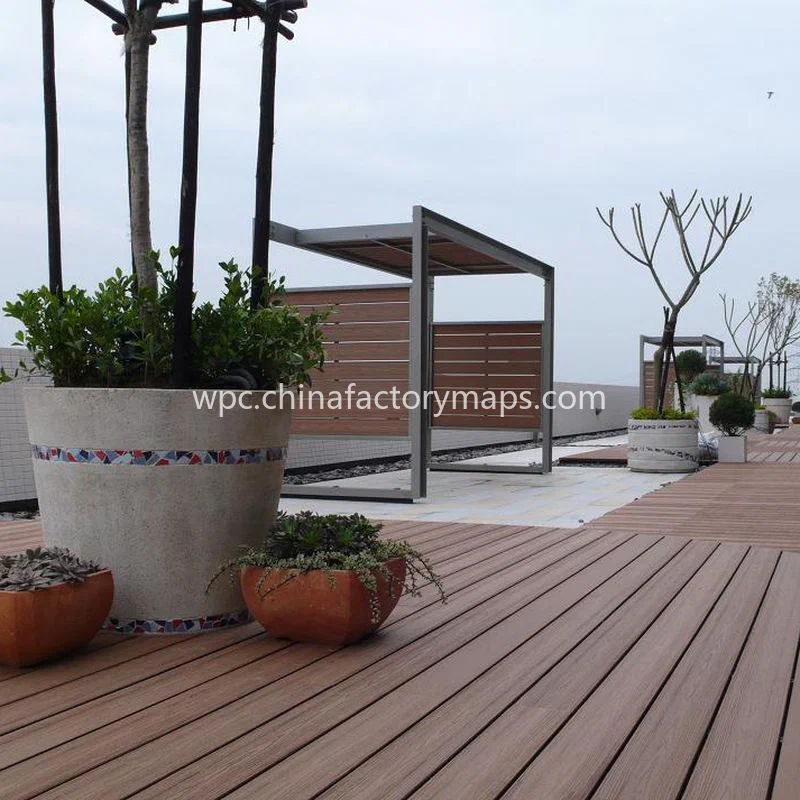
China’s production of composite decking, including non-slip varieties, is concentrated in several key provinces, each offering distinct advantages shaped by local resources, manufacturing capacity, and export logistics. By understanding these clusters, buyers can better align their sourcing decisions with supply chain priorities and product requirements.
Major Manufacturing Clusters
Guangdong Province leads in the number of listed suppliers, with cities like Foshan, Guangzhou, and Zhuhai forming a dense cluster. This region benefits from proximity to Shenzhen Port and Guangzhou Port, two of China’s busiest export hubs, ensuring fast and efficient shipping. Guangdong’s historical strength in polymer extrusion and advanced manufacturing makes it a prominent choice for buyers seeking consistent quality and design innovation in composite decking.
In Anhui Province, cities such as Xuancheng, Suzhou, and Guangde have emerged as notable hubs. Anhui’s advantage lies in its access to raw materials, particularly wood fibers sourced from nearby forestry operations. The province has developed a robust manufacturing base focused on environmentally friendly wood-plastic composite products, attracting buyers prioritizing sustainability. Its proximity to Shanghai Port also facilitates international shipping, although the logistical costs may vary based on the supplier’s exact location within the province.
The coastal province of Shandong is another significant player, with cities like Qingdao, Zibo, and Linyi contributing to its manufacturing capacity. Shandong’s focus on bulk production of composite decking materials makes it well-suited for buyers handling large-scale projects. Qingdao Port serves as the primary export gateway for this region, offering reliable access to overseas markets. Shandong’s factories often emphasize cost efficiency, which appeals to price-sensitive buyers.

Regional Advantages and Challenges
Zhejiang Province, including cities such as Huzhou, Jiaxing, and Hangzhou, is known for its specialization in co-extrusion technologies for composite decking. This advanced manufacturing technique allows for enhanced durability and aesthetics, including anti-slip surfaces that are particularly suitable for poolside and outdoor applications. Close proximity to Ningbo-Zhoushan Port supports efficient export operations, though Zhejiang’s relatively smaller number of suppliers may limit options for buyers seeking specific features or low-cost alternatives.
Shanghai, with only three listed suppliers, remains a minor manufacturing hub for composite decking, largely due to high operational costs. However, these suppliers can leverage the logistical advantages of Shanghai Port, one of the world’s largest and most connected ports. Buyers seeking premium products or bespoke designs may find Shanghai-based suppliers to be an attractive option despite the higher price points.

Jiangsu Province, represented by Nanjing, offers the smallest cluster on the map but remains relevant due to its proximity to major ports such as Taicang Port and Lianyungang Port. Suppliers in this region often focus on specialized or high-margin products, catering to niche markets. While options may be limited, buyers with specific technical requirements may benefit from exploring this cluster.

Practical Considerations for Buyers
For international buyers, proximity to export ports is a key consideration when selecting suppliers for composite decking. Regions like Guangdong and Shandong provide direct access to high-capacity ports, minimizing shipping delays and costs. Buyers sourcing composite decking non-slip varieties should also account for each region’s technological capabilities; for instance, co-extrusion decking manufacturers in Zhejiang are known for producing products with superior slip resistance.
Raw material availability is another factor that distinguishes these clusters. Provinces like Anhui, with access to local forestry resources, may offer competitive pricing for wood-plastic composite products due to reduced transportation costs for raw materials. This can be advantageous for buyers focusing on eco-friendly decking solutions.
Finally, buyers should assess the scale and scope of manufacturing facilities within each cluster. While Guangdong and Shandong offer a broad range of suppliers suitable for large orders, smaller clusters such as those in Jiangsu may cater to more specialized demands. This diversity allows buyers to match their procurement needs with the strengths of specific regions.
FAQ
Q: Which Chinese provinces are best for eco-friendly composite decking? A: Anhui and Zhejiang are notable for their focus on environmentally sustainable products. Anhui benefits from local forestry resources, while Zhejiang specializes in advanced manufacturing techniques.
Q: How do export logistics differ between Guangdong and Shandong? A: Guangdong suppliers benefit from proximity to Shenzhen and Guangzhou ports, ensuring faster shipping. Shandong uses Qingdao Port, which is efficient but may involve longer inland transit times depending on the supplier’s location.
Related Articles
Featured Suppliers
Verified premium suppliers on our map.