
Mapping Outdoor WPC Panel Production Across China's Key Clusters
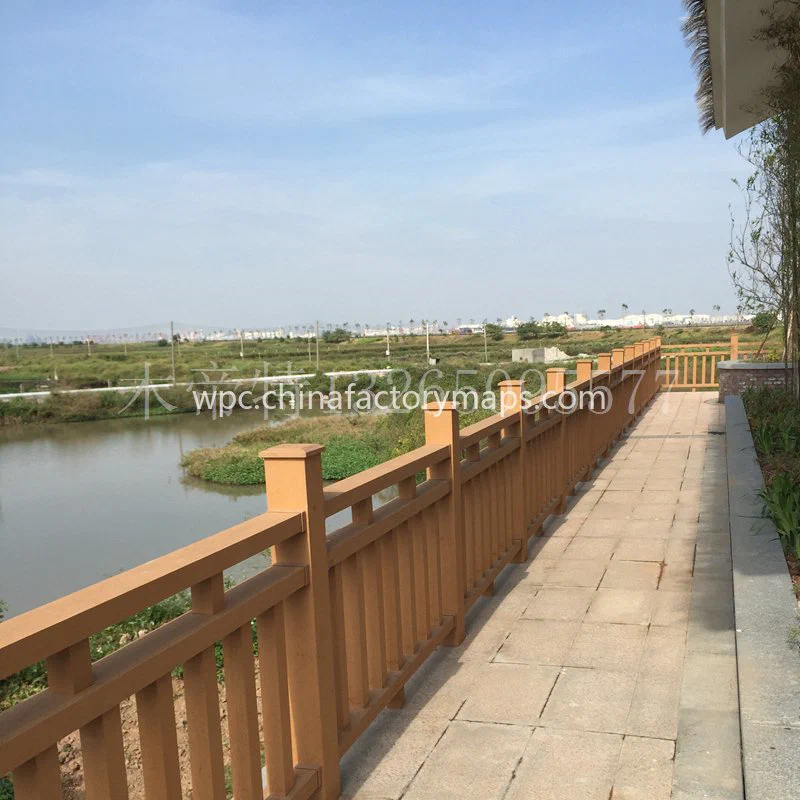
China’s WPC panel production is concentrated in several provincial clusters that can be viewed through a supplier map rather than a single supply chain. This page tracks where manufacturers are located, how regional factors shape production, and what location means for international buyers sourcing outdoor WPC panels.
The largest mapped cluster is in Guangdong, with suppliers listed across Foshan, Guangzhou, and Zhuhai. The region benefits from established manufacturing networks, experienced extrusion operations, and access to export routes through Shenzhen Port and Guangzhou Port. For buyers, Guangdong often represents a production area with broad industrial support, where related processing capabilities and supplier connections have developed over time. The local concentration can simplify factory visits and sourcing comparisons because multiple producers operate within the same wider manufacturing environment.
Anhui forms another important production area, with mapped suppliers in Xuancheng, Suzhou, and Guangde. The cluster reflects a different industrial profile, with manufacturing capacity located away from the coastal hubs while remaining connected to domestic transport networks. Buyers comparing regions may consider how inland production locations balance factory specialization with logistics arrangements. Product discussions, including outdoor wpc panel price evaluations, often require looking beyond the panel itself and considering transport distance, port selection, and order planning.

Shandong and Zhejiang also appear as notable points on the production map. Shandong suppliers are located around Zibo, Linyi, and Qingdao, linking production with access to Qingdao Port and other northern shipping routes. Zhejiang suppliers are concentrated in Huzhou, Jiaxing, and Hangzhou, areas with strong manufacturing activity and connections to Ningbo-Zhoushan Port and Shanghai Port. These clusters can appeal to buyers seeking coastal logistics options while comparing manufacturers across different regional backgrounds.

The production map also shows smaller supplier groups in Shanghai and Jiangsu, including Shanghai and Nanjing. These locations can be relevant for buyers who prioritize proximity to major commercial centres and established port infrastructure such as Shanghai Port and Taicang Port. Regional selection should also account for WPC material characteristics. Panels resist moisture and insects, but they are not indestructible. Temperature changes cause expansion and contraction, so installation requires correct gaps and a ventilated substructure. Sustained UV exposure can also affect colour over time.

A geographic approach helps buyers separate manufacturing location from product claims. WPC panels are made through extrusion processes that combine wood fibres and polymers, and factory capability can vary within the same region. Reviewing mapped suppliers by province, nearby ports, and production concentration provides a practical starting point for sourcing decisions. Buyers should still confirm product specifications, installation requirements, and quality controls directly with individual suppliers before placing orders.

FAQ
Q: Why does factory location matter when sourcing WPC panels from China?
A: Location affects logistics options, factory access, and connections to export ports. Regional clusters can make supplier comparison and production visits more practical.
Q: Are WPC panels completely maintenance-free after installation?
A: No. WPC panels need suitable installation, cleaning, and periodic checks. They resist common outdoor issues but can still experience colour changes and movement from environmental conditions.
Related Articles
Featured Suppliers
Verified premium suppliers on our map.
