
Mapping the Landscape of Composite Manufacturers Across China
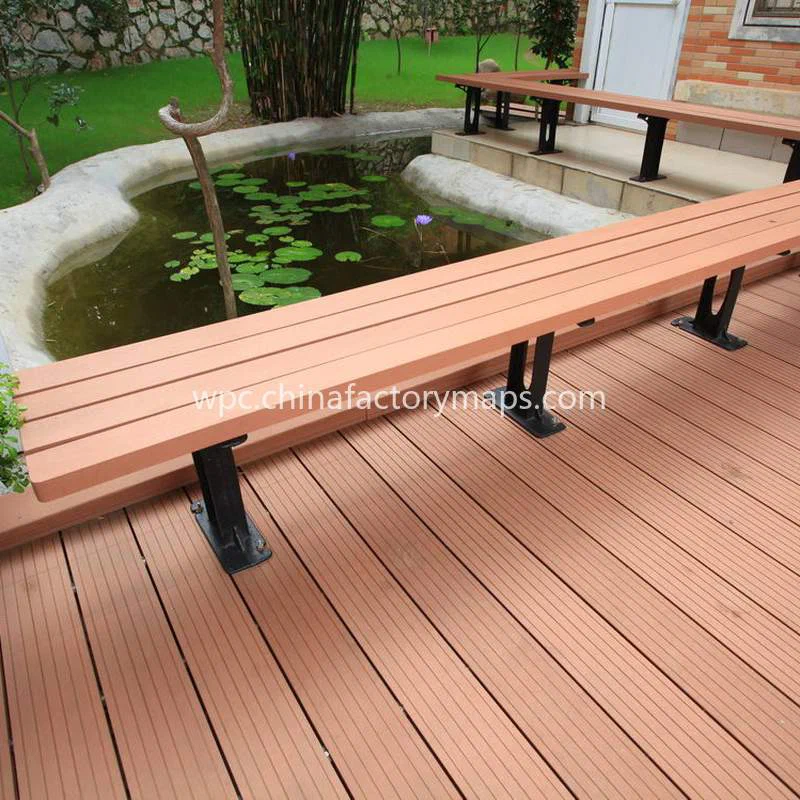
China hosts a significant number of composite manufacturers, strategically located across various provinces that support the wood-plastic composite (WPC) industry. Understanding these clusters provides valuable insights for buyers seeking to source materials efficiently. This overview will explore the major regions and their characteristics, providing practical information for decision-making.
Key Manufacturing Regions

Guangdong province leads in the concentration of WPC factories, with cities like Foshan, Guangzhou, and Zhuhai playing crucial roles. This region benefits from a robust supply chain, featuring abundant raw materials and access to advanced extrusion technology. The proximity to major export ports, such as Shenzhen Port and Guangzhou Port, facilitates efficient shipping and logistics for international buyers. This advantageous positioning makes Guangdong a prime choice for those seeking reliable supply and quick turnaround times.

Anhui province also hosts a notable cluster of composite manufacturers, particularly in cities like Xuancheng and Suzhou. This area is known for its skilled labor force and competitive production costs. The local industry has a history of working with wood and plastics, fostering innovation and quality in WPC products. Buyers interested in sourcing from Anhui can expect a blend of cost-effectiveness and a strong emphasis on product development.

Shandong province, with cities such as Zibo and Linyi, has become increasingly relevant for WPC manufacturing. The province is recognized for its significant extrusion capacity and local resources. Shandong’s geographical location allows easy access to Qingdao Port, which is one of the major export hubs in China. This strategic advantage can enhance supply chain efficiency for buyers, especially those looking to import goods to various international markets.
Zhejiang province, notably cities like Huzhou and Jiaxing, rounds out the top manufacturing regions for WPC. The province’s history of trade and industry contributes to a well-established network for buyers. The availability of high-quality materials, combined with innovative production techniques, positions Zhejiang as a competitive player in the WPC market. Additionally, the proximity to Ningbo-Zhoushan Port further supports timely logistics for overseas shipments.
Shanghai and Jiangsu also contribute to the WPC manufacturing sector, though they represent smaller clusters compared to the aforementioned provinces. Shanghai offers a unique blend of advanced technology and international trade connections, while Jiangsu, particularly Nanjing, provides a supportive environment for manufacturers. While these regions may not have the same production volume, they are essential for buyers looking for specialized products or innovative solutions.
Practical Implications for Buyers
When selecting a region for sourcing WPC products, buyers should consider not only the proximity to export ports but also the specific capabilities and specialties of manufacturers within each province. Factors such as labor costs, material availability, and technological advancements can significantly impact pricing and quality. Understanding these regional nuances allows buyers to make informed decisions, ensuring they partner with suppliers that align with their project requirements and budget constraints.

In summary, China’s diverse landscape of composite manufacturers is shaped by regional strengths in raw material supply, labor, and logistics. By mapping these clusters, buyers can effectively target their sourcing strategies to achieve optimal results in their procurement processes.
FAQ
Q: What are the main provinces for sourcing wood-plastic composites in China?
A: The main provinces include Guangdong, Anhui, Shandong, and Zhejiang, each with unique advantages in manufacturing capacity and logistics.
Q: How does proximity to export ports influence sourcing decisions?
A: Proximity to export ports reduces shipping times and costs, making it easier for buyers to manage their supply chains efficiently.
Q: What factors should buyers consider when choosing a composite manufacturer?
A: Buyers should consider production capacity, material quality, labor costs, and the manufacturer’s experience in WPC products.
Related Articles

Featured Suppliers
Verified premium suppliers on our map.
