
Mapping the Origin of Composite Decking: Where Production Thrives
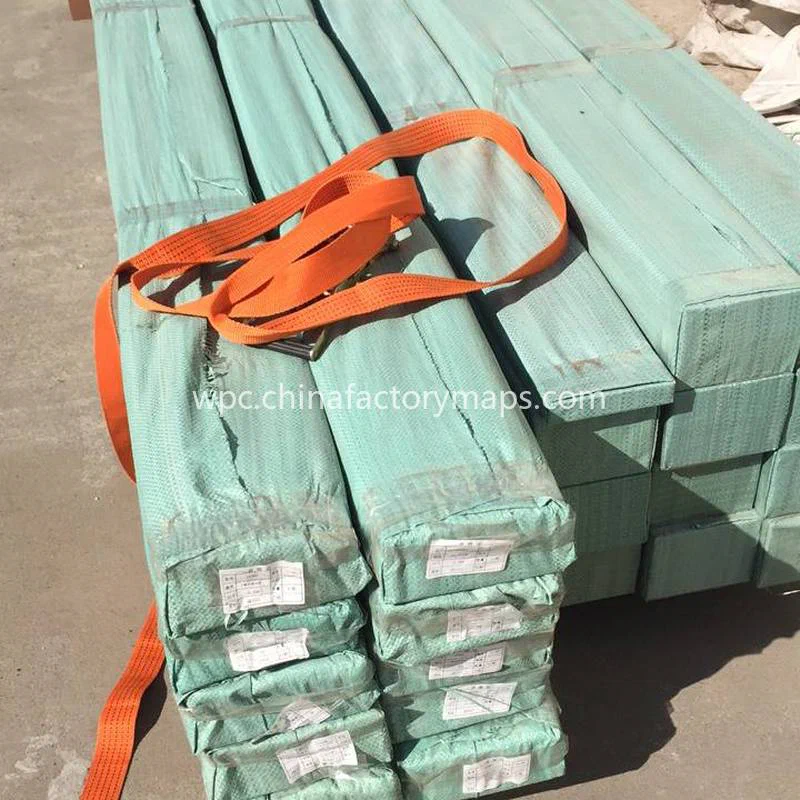
China’s wood-plastic composite (WPC) decking industry is largely centered in specific provinces that boast a blend of advantageous factors. Key regions for composite decking production include Guangdong, Anhui, Shandong, Zhejiang, and Jiangsu. These areas have developed clusters that facilitate production due to their access to raw materials, labor force, and strategic port locations.
Guangdong is a significant hub, particularly cities like Foshan and Guangzhou. The province benefits from a rich supply of wood fibers and plastics, essential for composite decking. Additionally, the well-established manufacturing infrastructure and skilled workforce in Guangdong support high extrusion capacity. Proximity to major ports such as Shenzhen and Guangzhou allows for efficient export of finished products, making it an attractive option for international buyers.

Anhui and Shandong also contribute notably to the composite decking market. Anhui, with cities like Xuancheng and Suzhou, has a tradition of woodworking and related industries, providing a steady supply of materials. Shandong, particularly in Zibo and Linyi, has rapidly grown its WPC production capabilities. Both provinces have been investing in modern manufacturing techniques, which enhances quality control and production efficiency. Moreover, their closeness to ports such as Qingdao ensures that logistics remain manageable for exporters.

Zhejiang and Jiangsu round out the major production areas. Zhejiang, with its cities like Huzhou and Jiaxing, has a reputation for innovation in materials and design, making it a leader in the development of composite decking options. Jiangsu’s Nanjing also plays a role, benefiting from its industrial history and access to resources. Both provinces provide a competitive landscape for manufacturers, allowing for diverse product offerings that cater to various buyer needs.

For buyers considering sourcing composite decking, selecting a region involves weighing factors like material availability, production capacity, and shipping logistics. Regions with established WPC clusters can offer advantages in terms of consistency and quality. Moreover, understanding the local industry’s strengths can help buyers make informed decisions, especially when comparing composite decking v wood options. Buyers may find that the benefits of choosing WPC include lower maintenance needs and resistance to moisture and insects, although they should be aware of the potential for color fading under sustained UV exposure.

FAQ
Q: What is the main advantage of sourcing WPC from Guangdong?
A: Guangdong offers a rich supply of materials, skilled labor, and proximity to major export ports, enhancing production efficiency.
Q: How do the properties of composite decking compare to traditional wood?
A: Composite decking typically requires less maintenance and is more resistant to moisture and insects than traditional wood, though it can fade in direct sunlight.
Q: Which ports are most important for exporting composite decking from China?
A: Major export ports include Shenzhen Port, Guangzhou Port, Qingdao Port, and Shanghai Port, facilitating efficient shipping for international buyers.
Related Articles
Featured Suppliers
Verified premium suppliers on our map.
