Material Choices for Composite Decks: Comparing Durability and Finish
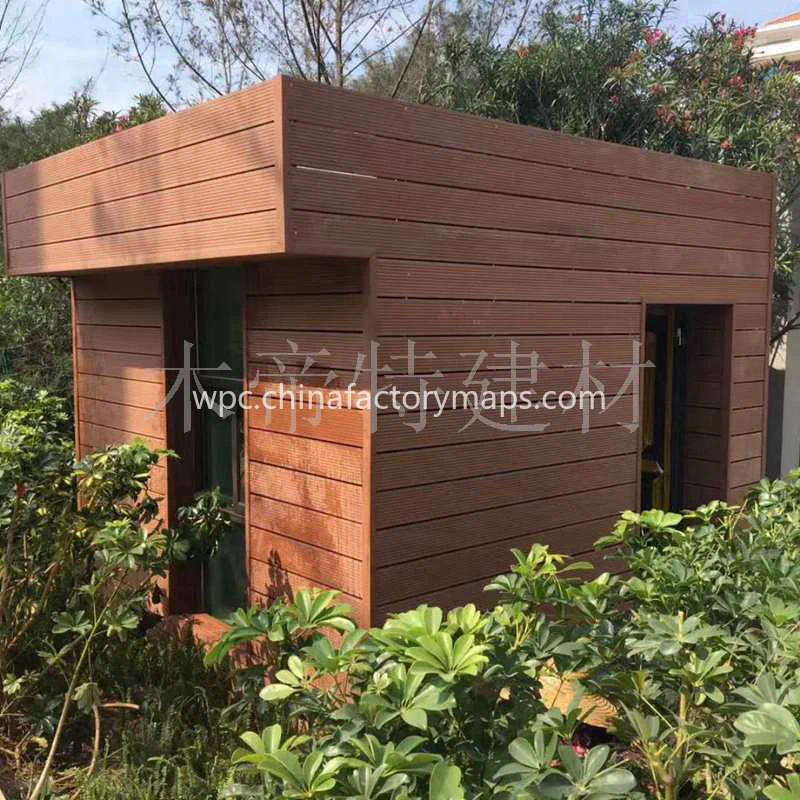
Wood-plastic composite (WPC) materials have become popular for outdoor decking due to their blend of durability and aesthetic appeal. Understanding the differences in material composition, manufacturing processes, and performance characteristics is essential to selecting the best composite material for decks.
Material Composition and Durability
The primary components of WPC decking are recycled plastic and wood fibers. These materials are combined to create a product that is more resistant to moisture and insects compared to natural wood. However, thermal expansion and contraction should be accounted for during installation, as WPC expands and contracts with temperature fluctuations. Proper gapping and ventilated substructures are critical to ensure long-term stability. While WPC resists rot, it is not completely waterproof and requires routine inspection in areas with high humidity.
Manufacturing Process: Uncapped vs. Capped WPC
Uncapped WPC decking offers a natural appearance but is more vulnerable to surface staining and discoloration over time. In contrast, capped WPC decking includes a protective polymer layer that improves resistance to UV exposure, moisture, and scratches. Capped products are better suited to poolside and balcony decking where consistent water exposure is expected. However, this protective layer can increase costs, making uncapped options a more attractive choice for budget-conscious projects.

Surface Finish and Aesthetic Trade-offs
Surface finishes for WPC vary widely, from smooth textures to embossed patterns mimicking natural wood grain. Textured finishes often improve anti-slip performance, which is crucial for areas like pool decks or garden paths. However, deeper embossing may wear down faster in high-traffic areas. Color stability under UV exposure is another factor; darker tones tend to fade more noticeably over time. For buyers prioritizing long-term color retention, selecting UV-resistant materials can reduce maintenance needs.
Fastening Systems and Installation Considerations
WPC decking can be installed with either visible screws or hidden fasteners. Hidden fastening systems create a cleaner appearance but may require more precision during installation. Joist spacing is particularly important for WPC, which is less rigid than natural wood. Manufacturers typically provide guidelines for spacing and load-bearing capacity, which must be followed to avoid warping or sagging. Buyers sourcing decking should ensure clear installation instructions are provided, especially when purchasing in bulk for large-scale projects.
Environmental Factors and Regional Applications
The climate of the installation site influences material performance. For example, WPC decking used in coastal areas like Guangdong or Zhejiang must withstand saltwater exposure and high humidity. In colder regions like Shandong, freeze-thaw cycles can challenge the material’s durability. Buyers exporting from factories near ports such as Ningbo-Zhoushan or Qingdao should prioritize suppliers with proven expertise in weather-resistant formulations.
Cost vs. Performance

The price range of WPC decking reflects variations in material quality, manufacturing techniques, and added features like UV resistance or anti-slip surfaces. While cheaper options may suffice for low-traffic areas, premium products often deliver better performance in demanding environments. Buyers evaluating cost should also account for potential savings in maintenance and replacements, as higher-quality materials generally require less upkeep.

Regional Supplier Clusters

Chinafactorymaps.com highlights supplier clusters across provinces such as Guangdong, Anhui, and Zhejiang, enabling buyers to source materials close to major ports like Shanghai or Guangzhou. Proximity to ports can reduce logistics costs, especially for bulk orders. Factory expertise within these regions varies, with some specializing in capped decking for residential projects and others focusing on uncapped materials for commercial use. This geographic diversity allows buyers to tailor their sourcing strategy to their specific project needs.
FAQ
Q: Is WPC decking completely waterproof? A: No, WPC decking resists moisture better than wood but is not completely waterproof. Proper installation and routine maintenance help extend its lifespan.
Q: How does capped WPC differ from uncapped options? A: Capped WPC includes a protective polymer layer that enhances UV and moisture resistance, making it suitable for areas with high exposure to water and sunlight.
Related Articles
Featured Suppliers
Verified premium suppliers on our map.