Material Construction Differences in Composite Products Explained
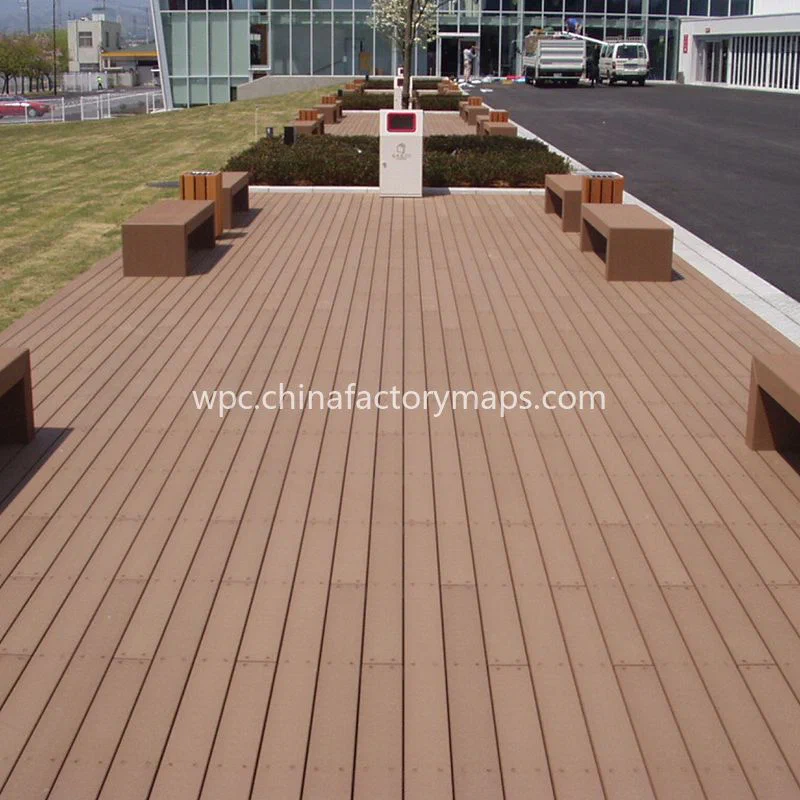
Wood-plastic composite (WPC) materials are engineered by combining wood fibers or flour with thermoplastics like polyethylene or polyvinyl chloride. This hybrid composition balances the natural aesthetic of wood with the durability and moisture resistance of plastic. However, variations in material ratios, extrusion techniques, and surface treatments can significantly affect the performance and suitability of WPC products for different applications.
Material Composition and Performance
The ratio of wood to plastic in composite products meaningfully alters their properties. Higher wood content increases rigidity and provides a closer resemblance to natural wood, but it also makes the material more susceptible to moisture-related swelling and thermal expansion. Conversely, increasing the plastic proportion enhances moisture resistance and reduces the risk of warping, though it may compromise the tactile appeal. Co-extrusion techniques, where a protective outer layer is fused to the core, offer additional benefits such as UV resistance and scratch protection. This makes co-extruded decking particularly suitable for poolside or high-traffic areas where exposure to sunlight and wear is frequent.

Construction and Installation Considerations
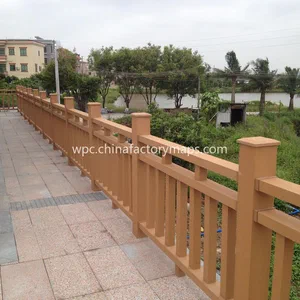
The structural design of WPC boards also impacts their functionality. Hollow-core boards are lighter and cost-effective but less robust, making them ideal for low-load applications like fencing or facade cladding. Solid boards, being denser, can support greater loads, which is crucial for decking installations. Proper gapping is necessary during installation to account for thermal expansion and contraction, which occurs with temperature fluctuations. Substructures should allow ventilation to prevent moisture buildup beneath the boards. Fastening systems, whether concealed clips or surface screws, must be chosen with attention to their compatibility with the composite’s density and resistance to splitting.

Longevity and Maintenance Trade-Offs

While WPC materials resist insects, rot, and splintering better than natural wood, they are not maintenance-free. Prolonged exposure to UV light can lead to color fading, particularly in uncapped boards. Regular cleaning with mild detergents helps preserve the surface finish but may not prevent all signs of aging. For buyers prioritizing low maintenance, capped boards and UV-resistant finishes provide enhanced durability. However, the upfront cost of such products is typically higher, demanding careful consideration of long-term investment versus immediate affordability.

FAQ
Q: How does co-extrusion improve WPC products? A: Co-extrusion adds a protective outer layer to WPC boards, enhancing UV resistance, scratch resistance, and moisture protection.
Q: Are hollow-core WPC boards suitable for decking? A: Hollow-core boards are less robust than solid ones, making them better suited for fencing or cladding rather than decking applications.
Related Articles
Featured Suppliers
Verified premium suppliers on our map.