Material Differences to Consider Before Buying Decking
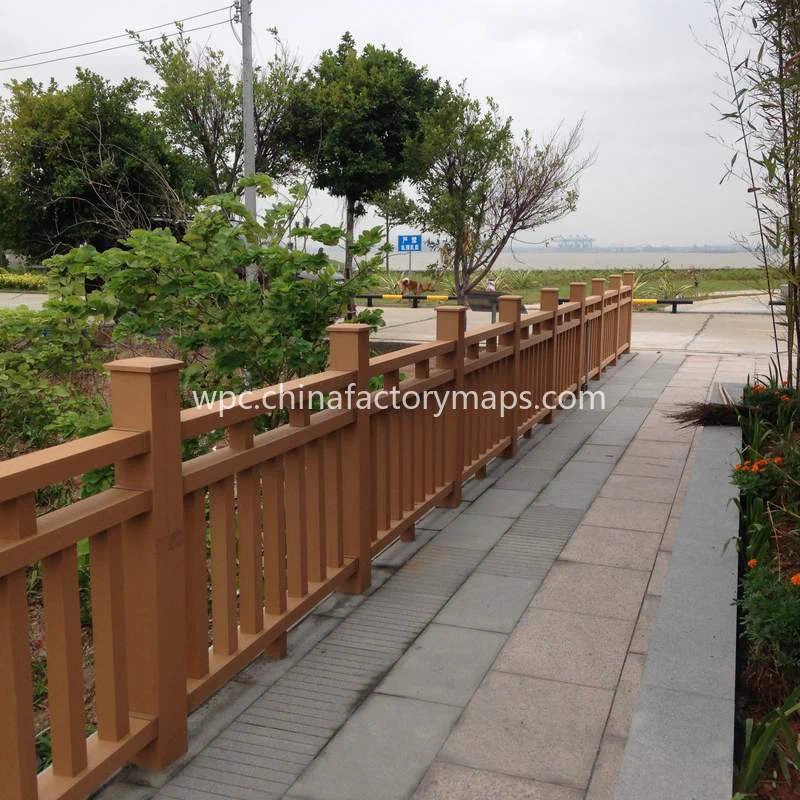
When choosing decking materials, understanding the differences between wood-plastic composite (WPC) and other options is critical. Each material brings its own strengths and trade-offs, which can impact cost, durability, installation, and maintenance. This article examines key material differences, with a focus on WPC decking and its practical considerations.
Material Composition and Moisture Resistance
Traditional wood decking is susceptible to moisture, which can cause swelling, cracking, and rot over time. WPC decking, made from a mix of wood fibers and plastic, offers better moisture resistance. This material does not absorb water in the same way as wood, reducing the risk of mold or decay in humid or rainy climates. However, WPC is not completely waterproof, and proper gapping is necessary during installation to allow for drainage and air circulation.
Thermal Expansion and Structural Considerations

WPC expands and contracts with temperature changes, a characteristic that must be accounted for during installation. Gaps between boards and proper joist spacing are essential to prevent warping or buckling over time. In regions with extreme temperature fluctuations, these adjustments are even more critical. By contrast, natural wood tends to shrink or swell based on humidity rather than temperature, presenting a different set of challenges.
UV Resistance and Color Stability
Sustained exposure to UV rays can cause fading in both natural wood and WPC decking. Many composite decking manufacturers address this with UV stabilizers to slow the rate of color change. Co-extrusion technology, which adds a protective cap layer to WPC boards, further improves UV resistance and overall durability. Buyers seeking long-term color retention should look for capped composite decking options, though these may come at a higher price point.
Fastening Systems and Installation

WPC decking often uses hidden fastener systems for cleaner aesthetics, while natural wood typically relies on screws or nails. Hidden fasteners can simplify installation and reduce the risk of surface splitting, but they may require specialized tools or clips, which can add to the overall cost. The substructure for WPC decking must also be ventilated to prevent heat buildup and moisture accumulation, adding another layer of planning compared to traditional wood installations.
Environmental Impact and Sustainability
One of WPC’s key selling points is its eco-friendly profile. Many WPC boards are made from recycled plastic and wood byproducts, reducing the demand for virgin materials. This can be a deciding factor for buyers seeking sustainable building options. However, the production of WPC still involves plastic, which has its own environmental footprint. Natural wood, while renewable, often requires chemical treatments to resist pests and decay, which can impact its sustainability credentials.
Cost Differences and Long-Term Value
Initial costs for WPC decking are generally higher than for untreated wood. However, the lower maintenance requirements of WPC—such as no need for regular staining or sealing—can offset this over time. Buyers looking for composite decking deals should weigh the upfront expense against potential savings in maintenance and replacement costs. For premium options like co-extrusion decking, the higher price may bring added durability and a longer lifespan.
Regional Availability and Export Logistics
Proximity to export ports can significantly influence shipping costs and lead times for international buyers. WPC suppliers in regions like Guangdong, Zhejiang, and Anhui are well-positioned near major ports such as Shenzhen, Ningbo-Zhoushan, and Shanghai. Buyers sourcing from these clusters may find better logistics options compared to suppliers in inland provinces. Factoring in location can be especially important for bulk orders where freight costs add up.
FAQ
Q: Does WPC decking require maintenance?
A: Yes, but it is minimal compared to wood. Cleaning with soap and water is usually sufficient, and no staining or sealing is required.
Q: Can WPC decking be used in high-traffic areas?
A: Yes, WPC is durable and resistant to wear, making it suitable for areas with heavy foot traffic.
Related Articles
Featured Suppliers
Verified premium suppliers on our map.