
Navigating Export Logistics for Composite Decking to Your Site
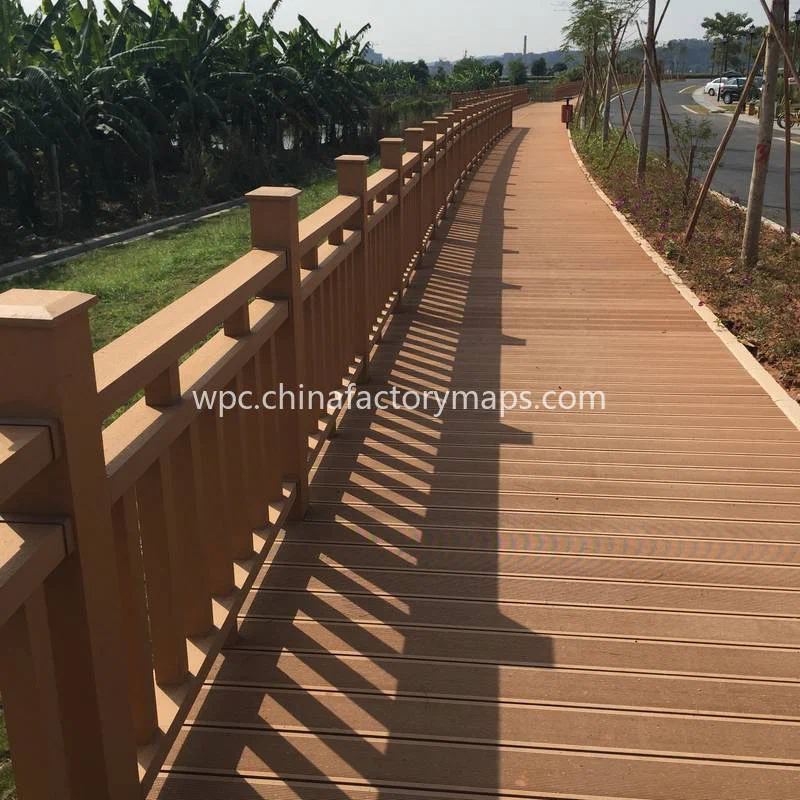
Understanding the export logistics for composite decking is crucial for overseas buyers. This product, made from wood-plastic composite, is increasingly popular for various applications including decking, fencing, and railing. Selecting the right supplier involves considering the proximity to export ports that can affect shipping costs, transit time, and product integrity.
Guangdong province, which includes major cities like Foshan, Guangzhou, and Zhuhai, hosts the largest concentration of WPC factories in China. The proximity to Shenzhen Port and Guangzhou Port makes it an advantageous region for exporters. These ports provide direct shipping routes to major international markets, helping to minimize shipping durations. Buyers should consider how the weight and volume of composite decking can impact freight costs. Containers filled with heavier products may incur higher shipping fees and could face more stringent handling requirements.
Anhui province, including cities like Xuancheng and Suzhou, also has several manufacturers. While the shipping routes from Anhui are slightly longer, the presence of Ningbo-Zhoushan Port offers buyers another viable option. Buyers should weigh the cost of shipping from this region against the price for composite decking. Sometimes, suppliers in less-congested areas may offer competitive pricing, which can offset higher shipping costs.

Shandong province, home to cities such as Zibo and Linyi, is another notable region for WPC production. With access to Qingdao Port, buyers can leverage another shipping point. This port is well-equipped to handle container shipments, offering a balance of cost and reliability. The strategic location of Shandong manufacturers provides options for buyers looking to explore suppliers that might not be as widely recognized but can deliver quality products.
Zhejiang province, including cities like Huzhou and Jiaxing, is also significant in the WPC market. The proximity to Ningbo-Zhoushan Port offers another strategic advantage for exporting composite decking. The region is known for its efficient logistical networks, which can streamline the shipping process. Buyers should assess how the location of a supplier can influence their overall purchasing strategy, particularly concerning lead times.

When selecting a supplier, buyers should also factor in the potential risks during transit. Composite decking, while resistant to moisture and insects, is not indestructible. Ensuring that the supplier has a robust packaging method is vital to prevent damage during transportation. For example, products shipped from Guangdong might face different handling compared to those sent from Shandong, due to varying distances and port facilities.

In conclusion, understanding the export logistics for composite decking requires careful consideration of the geographic position of suppliers in relation to major ports. Buyers should not only assess the price for composite decking but also take into account shipping costs, handling risks, and logistical challenges to make informed decisions.
FAQ
Q: Why does proximity to a port matter for composite decking?
A: Proximity to a port can reduce shipping costs and transit times, which is important for bulky items like composite decking.
Q: How can shipping costs affect the overall price for composite decking?
A: Higher shipping costs can significantly increase the total expenditure, making it essential to consider logistics when pricing composite decking.
Q: What risks should buyers consider during transit?
A: Composite decking can be susceptible to damage if not properly packaged, so evaluating a supplier’s shipping practices is important.
Related Articles
Featured Suppliers
Verified premium suppliers on our map.
