
Navigating Shipping Routes for Composite Decking Exports from China
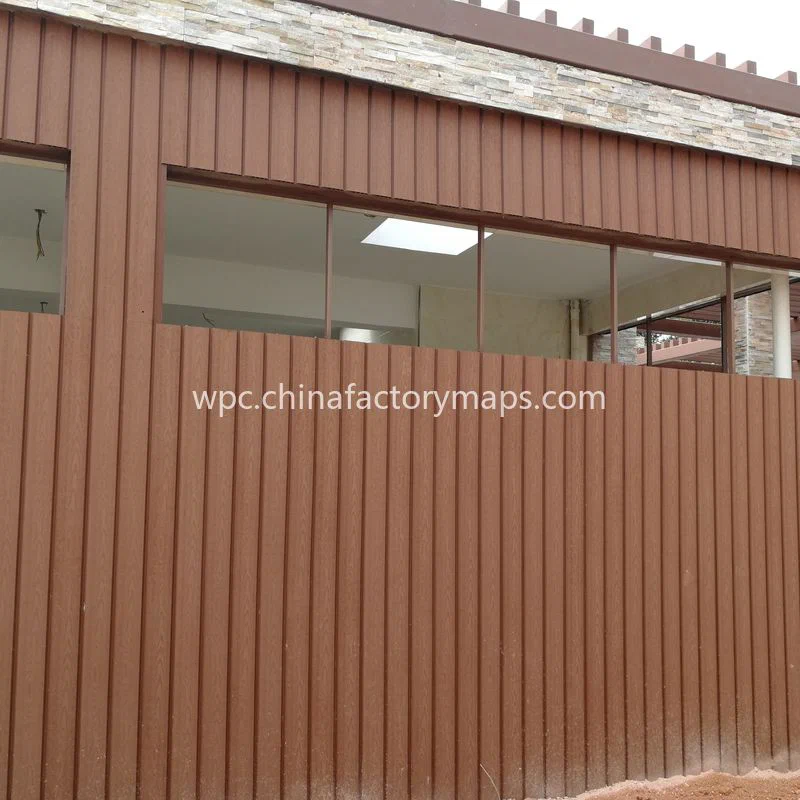
The export routes for decking composite boards from China are vital for overseas buyers. Understanding the geographical proximity of production facilities to major ports can greatly influence shipping efficiency and costs. Suppliers clustered in provinces like Guangdong, Anhui, Shandong, and Zhejiang have direct access to several key export ports, which can affect logistics, transit times, and ultimately, the overall project timeline.
Guangdong Province, home to a significant number of WPC factories, benefits from its access to multiple ports including Shenzhen and Guangzhou. These ports are among the busiest in China, facilitating swift export of composite decking products. Proximity to these ports can reduce shipping costs and transit times, making it a strategic choice for buyers who prioritize efficiency. In areas like Foshan and Guangzhou, the volume of WPC production aligns with heavy cargo operations at these ports, ensuring that containers are filled efficiently, which can mitigate damage risk during transport.

Anhui and Shandong provinces also play important roles in the supply chain. Ports such as Qingdao and Ningbo-Zhoushan serve as critical export points for these regions. The factories in Anhui, particularly around Xuancheng and Suzhou, can leverage relatively short transport distances to these ports. This factor is crucial because it not only affects shipping rates but also the potential for damage during transit. Composite materials, while resistant to moisture and insects, require careful handling, and shorter transport distances help in minimizing the risk of damage.
In Zhejiang, the presence of WPC manufacturers near ports like Ningbo-Zhoushan further enhances the export capabilities of this region. The strategic location of Zhejiang’s factories allows for competitive shipping options, making it possible for companies to cater to both domestic and international demand effectively. Buyers considering suppliers from this region should evaluate the distance to the nearest port as it can influence the timing and cost of their orders significantly.
When selecting suppliers, buyers should factor in the specific port each factory utilizes. The weight and volume of composite decking materials necessitate full container loads for cost efficiency. A supplier located farther from a major port may incur additional trucking costs, which could ultimately be passed on to the buyer. Therefore, understanding the connection between the supplier’s location and port access is crucial in making informed purchasing decisions.

FAQ
Q: Why is proximity to a port important when exporting decking composite boards?
A: Proximity reduces shipping costs, transit times, and minimizes the risk of damage during transport.
Q: What are the main ports for exporting composite decking from China?
A: Major ports include Shenzhen, Guangzhou, Qingdao, and Ningbo-Zhoushan.
Q: How can I ensure my shipment of composite decking is handled properly?
A: Choose suppliers who are close to major ports and have established logistics practices to minimize transport risks.
Related Articles
Featured Suppliers
Verified premium suppliers on our map.
