
Observing Trends in Composite Versus Wood Decking Manufacturing
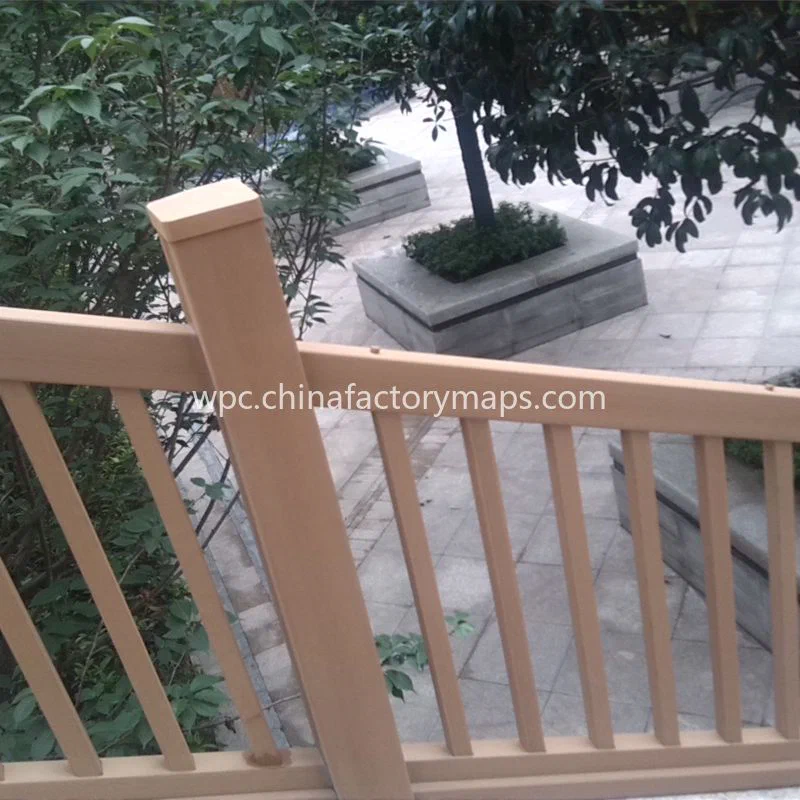
Chinese wood-plastic composite (WPC) manufacturers are witnessing notable shifts in the composite versus wood decking market. These changes are influenced by evolving consumer preferences, technological advancements, and increasing environmental concerns. As a result, buyers sourcing composite or wood decking should be aware of these trends to make informed decisions.
One significant trend is the growing preference for composite decking over traditional wood. Consumers are increasingly turning to composite materials due to their durability and lower maintenance requirements. Unlike wood, which can warp, splinter, or require frequent staining and sealing, composite decking can resist moisture, insects, and fading from UV exposure. This shift is prompting manufacturers to enhance their product offerings, focusing on co-extrusion techniques that improve performance and aesthetics. These advancements allow for a variety of colors and textures, appealing to a broad range of design preferences.
Moreover, the environmental impact of materials used in outdoor decking is becoming a critical consideration for buyers. Many consumers are now seeking eco-friendly options, and WPC products made from recycled materials align well with this demand. Manufacturers are responding by promoting their sustainable practices and the recyclability of their products. This trend not only enhances brand reputation but also attracts environmentally conscious consumers looking for responsible decking solutions.

Technological advancements in manufacturing processes are also influencing the WPC industry. Innovative production methods are enabling manufacturers to produce materials that are more resistant to wear and tear while maintaining aesthetic appeal. Additionally, these technologies allow for greater customization, enabling buyers to find products that meet specific project requirements. As a result, buyers are encouraged to explore supplier capabilities, particularly those that offer advanced manufacturing options and a diverse range of composite materials.

The geographical distribution of WPC manufacturers in China is noteworthy as well. Suppliers in regions like Guangdong and Zhejiang are well-positioned near major export ports, facilitating easier logistics for international buyers. This proximity to ports such as Shenzhen and Guangzhou provides advantages in shipping times and costs. Buyers should consider the location of suppliers when sourcing products, as this can significantly impact lead times and overall procurement efficiency.

Finally, the competitive landscape of the WPC market is intensifying. As more suppliers enter the market, buyers have access to a wider range of choices. However, this also means that buyers need to conduct thorough research to identify reliable suppliers that offer quality products. Conducting comparisons between composite and wood decking options, including factors like price, durability, and environmental impact, will be essential for making well-informed purchasing decisions.

FAQ
Q: What are the main advantages of composite decking over wood decking?
A: Composite decking is more durable, requires less maintenance, and is resistant to moisture and insects compared to wood decking.
Q: Are WPC products environmentally friendly?
A: Many WPC products are made from recycled materials and are recyclable themselves, making them a more eco-friendly option than traditional wood.
Q: How can the location of a manufacturer affect sourcing decisions?
A: The proximity of a manufacturer to major export ports can reduce shipping times and costs, making logistics easier for international buyers.
Related Articles
Featured Suppliers
Verified premium suppliers on our map.
