Outdoor Composite Decking Material for Harsh Climate Projects
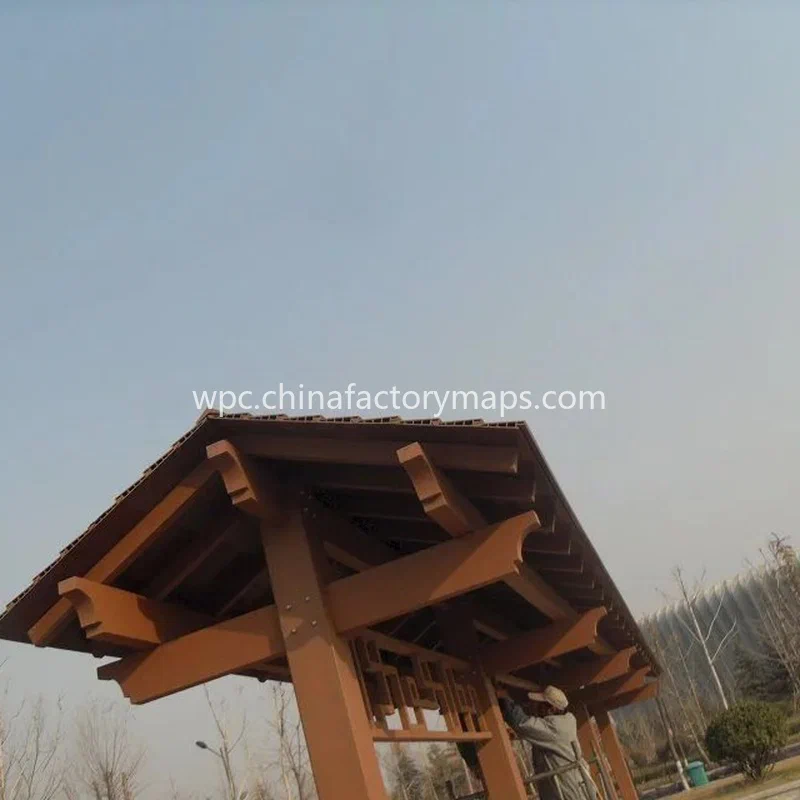
Outdoor composite decking material for harsh climate projects must be selected around site conditions rather than appearance alone. Coastal exposure, temperature swings, heavy pedestrian use, and strong sunlight all affect the board structure and installation requirements. This page examines how buyers can assess WPC decking for demanding outdoor applications and where Chinese production clusters serve these project types.
Projects near coastlines place different demands on decking than inland installations. Salt air, humidity, and repeated wetting can accelerate problems in unsuitable materials. WPC boards are commonly chosen because they resist moisture and insects better than untreated wood, but they are not indestructible. Buyers should check the material formulation, surface design, and installation requirements before specifying products for marine or high-humidity locations.

Climate conditions and specification checks

Freeze-thaw areas require attention to expansion, contraction, and support systems. WPC changes size with temperature variation, so proper gapping between boards and a ventilated substructure are necessary. In regions with cold winters, project specifications should include details on joist spacing, drainage, fastener compatibility, and installation methods designed for seasonal movement.
High UV exposure creates another consideration. Extended sunlight can cause colour fading, especially on exposed decks without protective surface treatments. For outdoor projects in areas with intense sun, buyers often review capped surfaces, colour stability information, and maintenance expectations. A suitable board should match the climate rather than simply imitate natural wood.

Heavy foot traffic changes the requirements again. Commercial walkways, public terraces, and hospitality areas need boards with appropriate strength and slip performance. Poolside and garden decking projects may require anti-slip surfaces, while public areas also benefit from clear guidance on cleaning and replacement procedures.
China’s WPC production clusters are spread across several regions that support different export routes. Guangdong has the largest mapped group of suppliers, including manufacturers in Foshan, Guangzhou, and Zhuhai, with access to nearby ports such as Shenzhen Port and Guangzhou Port. Zhejiang suppliers around Huzhou, Jiaxing, and Hangzhou connect with export routes including Ningbo-Zhoushan Port and Shanghai Port. Other mapped production areas include Anhui, Shandong, Shanghai, and Jiangsu, giving buyers options based on factory location and shipping needs.

For buyers sourcing for harsh climate projects, supplier location is only one part of the evaluation. Product drawings, installation guidance, surface specifications, and project experience should be reviewed together. A factory that understands local export requirements and climate-related installation concerns can provide clearer technical information during the sourcing process.
FAQ
Q: Is WPC decking suitable for coastal projects? A: WPC decking can suit coastal applications because it resists moisture and insects, but it still requires suitable specifications and installation practices for salt exposure and ventilation.
Q: Does composite decking require gaps during installation? A: Yes. WPC decking expands and contracts with temperature changes, so correct board spacing and a ventilated substructure are important.
Featured Suppliers
Verified premium suppliers on our map.