
Plastic Versus Wood Fencing: Key Differences Explained
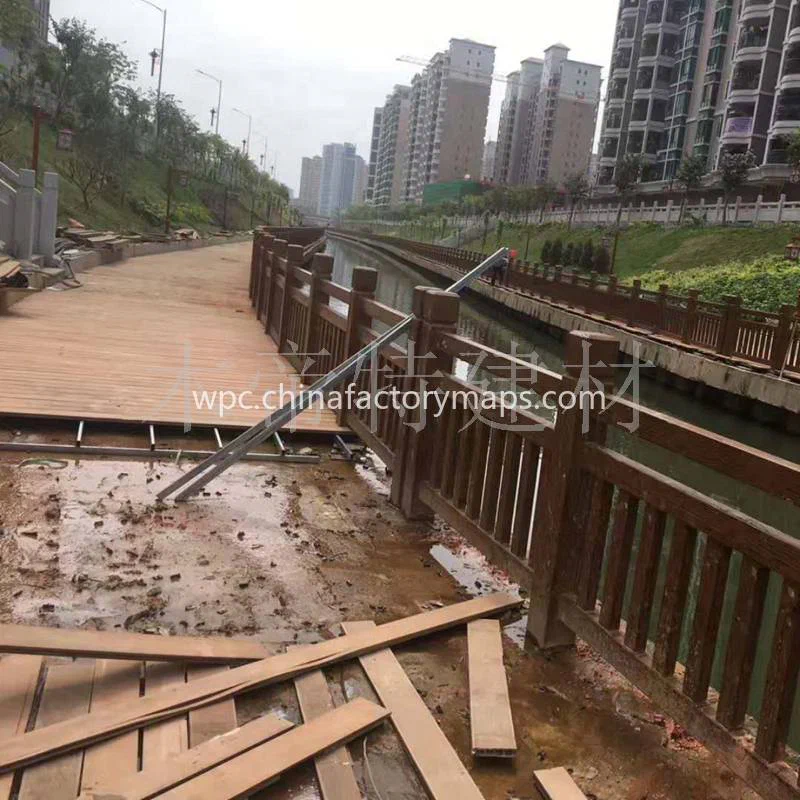
Plastic fencing and wood fencing each offer distinct advantages and disadvantages that can significantly influence their suitability for various applications. Understanding the material properties and construction differences between these two options is essential for making informed decisions. This comparison examines key aspects such as durability, maintenance, installation, and environmental impact.
Material Properties

Wood fencing is primarily made from natural timber, which can vary in quality based on species and treatment. Common woods used include cedar, pine, and redwood, each possessing unique attributes such as resistance to decay and insect damage. However, wood is susceptible to warping, splitting, and color fading due to exposure to moisture and UV light.
In contrast, plastic fencing, often made from recycled materials or virgin PVC, is inherently resistant to moisture and insects. This resistance minimizes issues associated with decay and damage over time. However, plastic or wood fence options can experience thermal expansion and contraction, which may necessitate proper installation techniques to accommodate these changes.
Durability and Longevity
When assessing durability, wood fences typically last around 10 to 15 years, depending on maintenance and environmental factors. Regular treatments, such as sealing, can extend their lifespan, but they require periodic upkeep to prevent deterioration. In contrast, plastic fencing can last 20 years or more with minimal maintenance, making it a favored option for those seeking longevity without the added labor.
Both materials are not indestructible. Heavy impacts or extreme weather can cause damage. However, plastic fencing generally withstands harsh conditions better than wood.
Maintenance Requirements
Wood fencing necessitates more frequent maintenance compared to plastic alternatives. This maintenance includes staining or painting to protect against moisture and UV damage, as well as inspections for rot or insect infestations. Failure to maintain wood can lead to expensive replacements and repairs.
On the other hand, plastic fencing requires minimal upkeep, primarily involving occasional cleaning to remove dirt and debris. While this can be seen as a significant advantage, it is essential to note that plastic may not be completely maintenance-free. Over time, color can fade due to prolonged UV exposure, which may affect the aesthetic appeal.
Installation Considerations
The installation processes for wood and plastic fencing differ significantly. Wood fencing typically involves digging post holes, setting posts in concrete, and fastening boards or panels to the frame. This traditional method allows for customization but can be labor-intensive and time-consuming.
Plastic fencing often comes in pre-fabricated panels or sections, which can simplify installation. Many plastic options feature interlocking designs that allow for quicker assembly. However, proper fastening techniques must be employed to accommodate thermal expansion, ensuring a secure and stable installation.
Environmental Impact

Wood is a renewable resource, and when sourced from sustainable forests, it can have a lower environmental impact. However, the production and transportation of wood fencing can lead to deforestation concerns if not managed responsibly.
Plastic fencing made from recycled materials offers an eco-friendly alternative by utilizing waste products. However, the manufacturing process can still involve significant energy consumption and emissions. Understanding the source of materials and manufacturing practices can aid buyers in making environmentally conscious choices.
Cost Considerations
Cost is a significant factor when choosing between plastic and wood fencing. Wood fencing typically has a lower initial purchase price, but the long-term costs associated with maintenance and repairs can add up. In contrast, while plastic fencing may have a higher upfront cost, its longevity and reduced maintenance needs can result in lower overall expenses over time.
Buyers should consider not only the initial price but also the potential long-term investment associated with each material. This approach allows for a more comprehensive understanding of the total cost of ownership.
Aesthetic Appeal
The visual appearance of fencing can influence buyer preferences. Wood fencing is often favored for its natural look and ability to blend seamlessly with outdoor environments. It can be stained or painted to match various aesthetic styles.
Plastic fencing, while available in a range of colors and styles, may not replicate the authentic look of wood as effectively. However, advancements in manufacturing have led to designs that mimic natural wood grain, offering buyers more options while still retaining the benefits of plastic.
FAQ
Q: What material lasts longer, plastic or wood fencing?
A: Plastic fencing generally lasts longer than wood, with a lifespan of 20 years or more compared to wood’s 10 to 15 years.
Q: Do plastic fences require maintenance?
A: Plastic fences require minimal maintenance, mainly cleaning, although they may fade over time due to UV exposure.
Featured Suppliers
Verified premium suppliers on our map.
